DESCRIPTION:
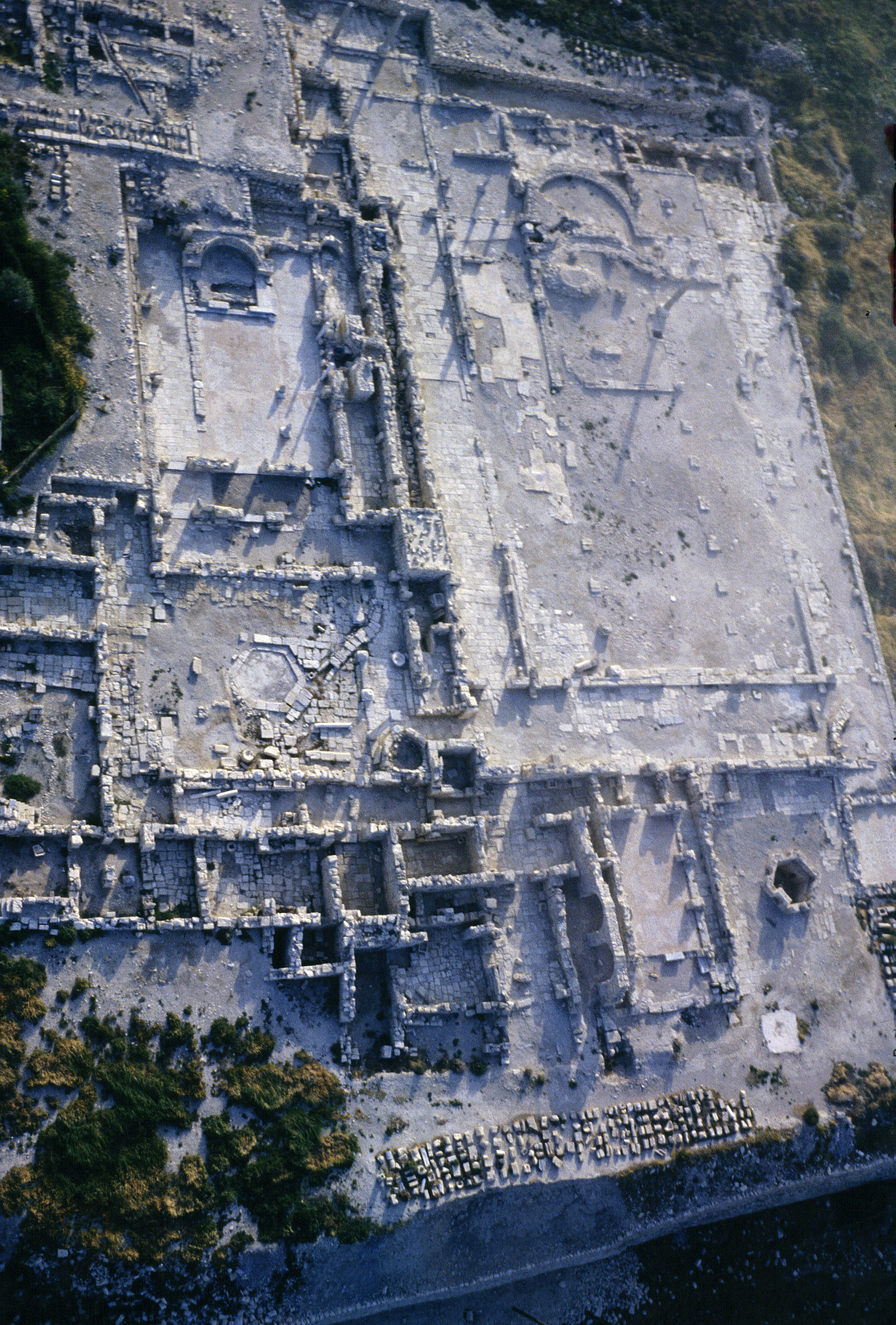
The episcopal complex was built in the first decades of the 5th century AD, during the time of Bishop Zenon. It occupies part of the civic basilica that was likely destroyed by the great earthquake of 365/370 AD.
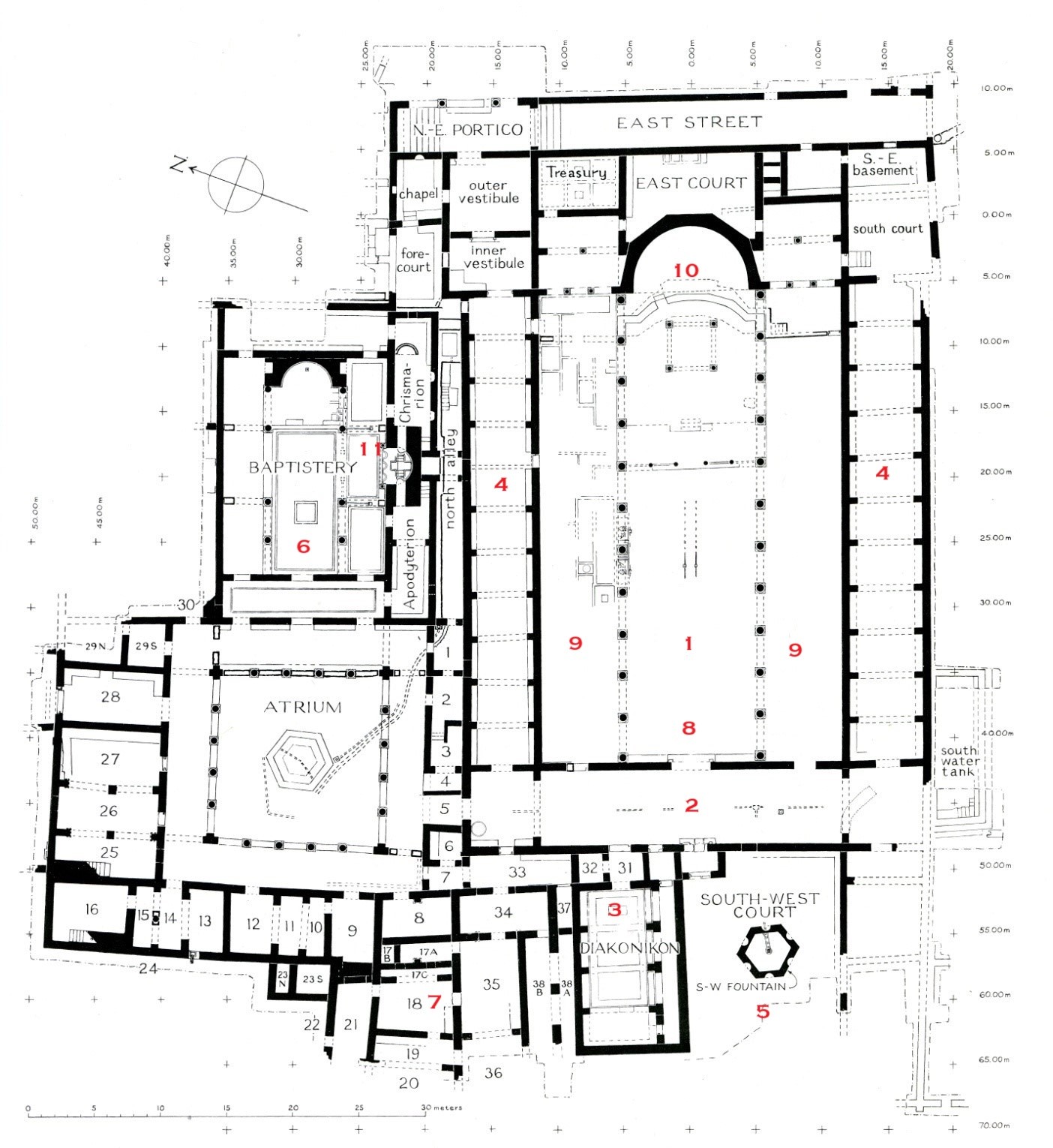
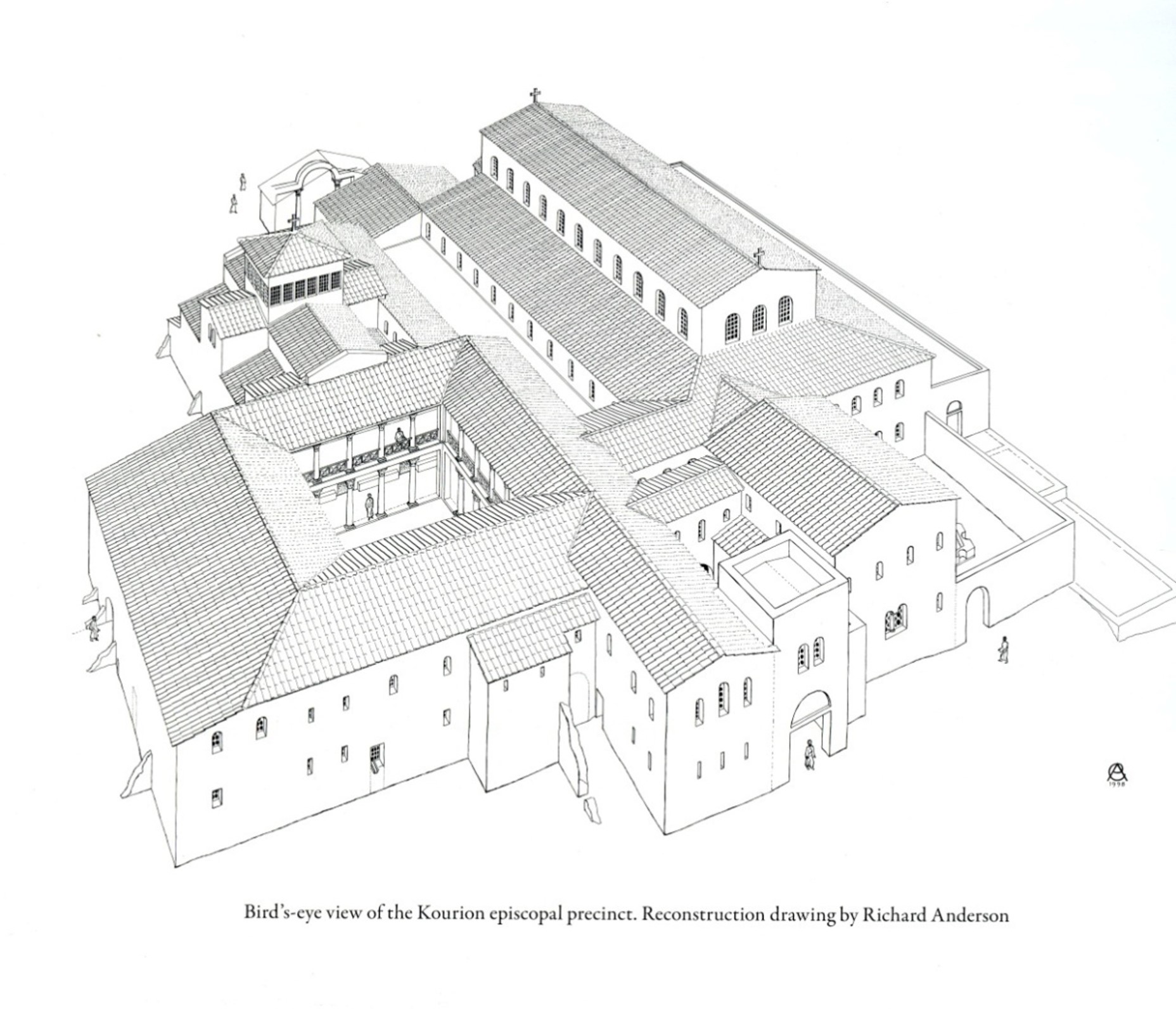
The episcopal complex, fully aligned with the urban planning axes of the Roman city, consists of the main church (1) with a narthex (2), the diaconicon (second chapel) (3), the catechumena (4) (where non-baptized persons stayed during the Divine Liturgy), and the atrium (courtyard) (5), as well as the baptistery complex (6) and the episcopium (7) (the bishop's residence). The entrance to the complex was from the east, via the main road that ran along the agora/forum.
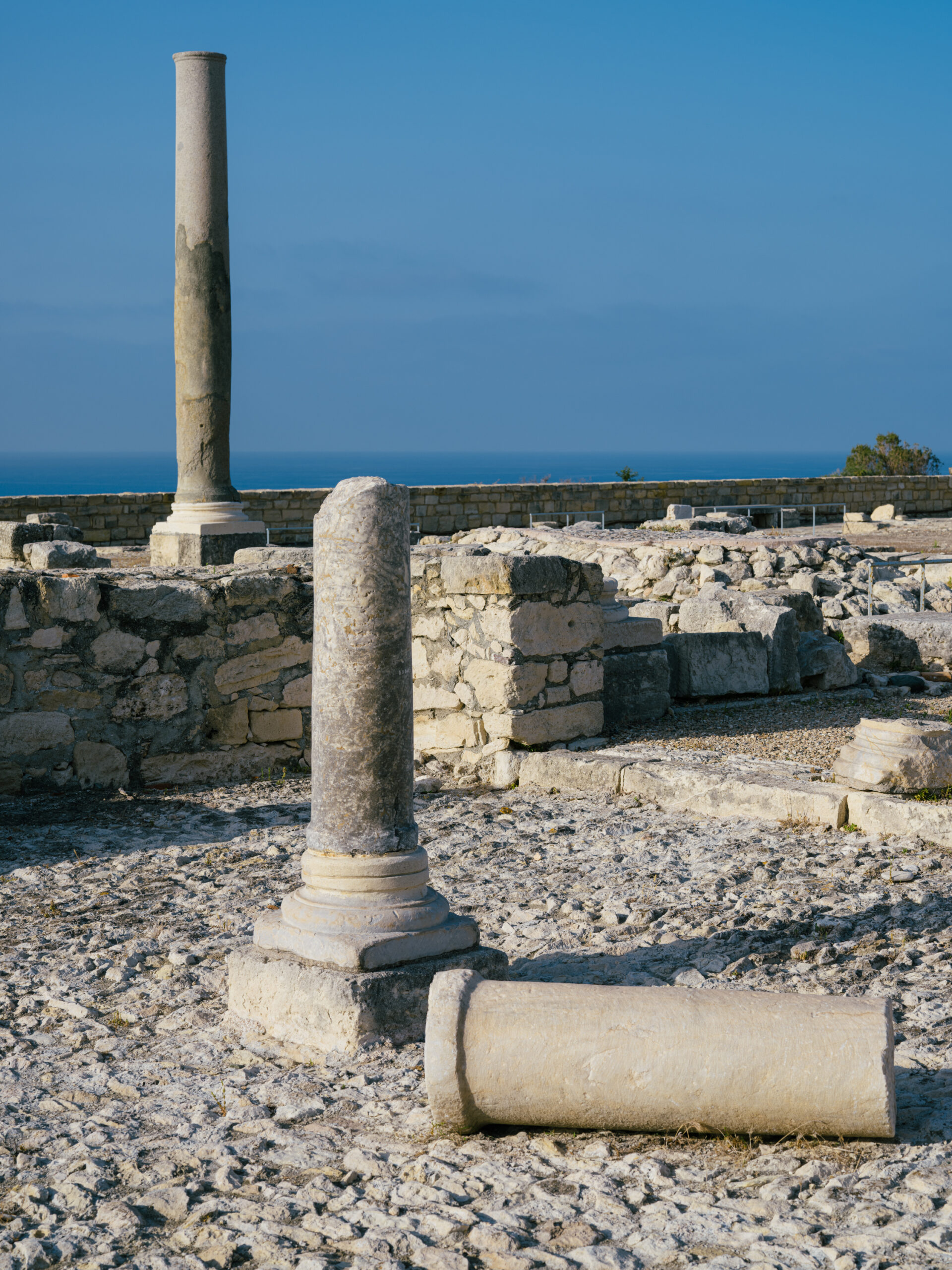
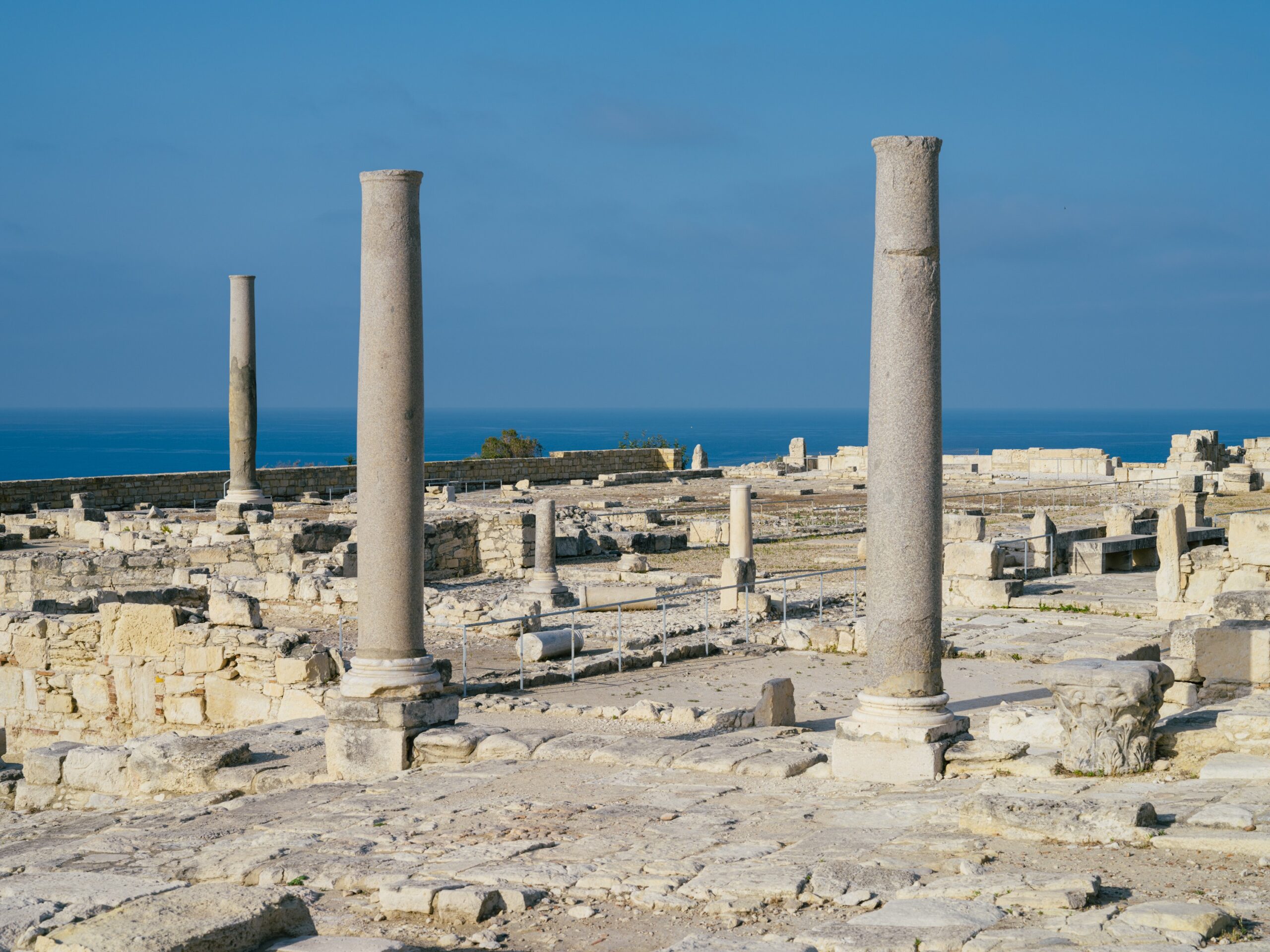
The three-aisled basilica measures 40 metres in length and 23 metres in width. Twelve granite columns on each side, with marble bases and Corinthian capitals, separated the central nave (8) from the two aisles (9). The apse is located at the eastern end of the central nave (10). The basilica was covered by a wooden pitched roof. The floor was decorated with mosaics, while the elevated area of the Holy Bema featured marble opus sectile (decorative geometric patterns made by multi-coloured marble pieces). The walls were covered with marble plaques bearing low relief decoration. The apse of the Holy Bema was likely decorated with wall mosaics.
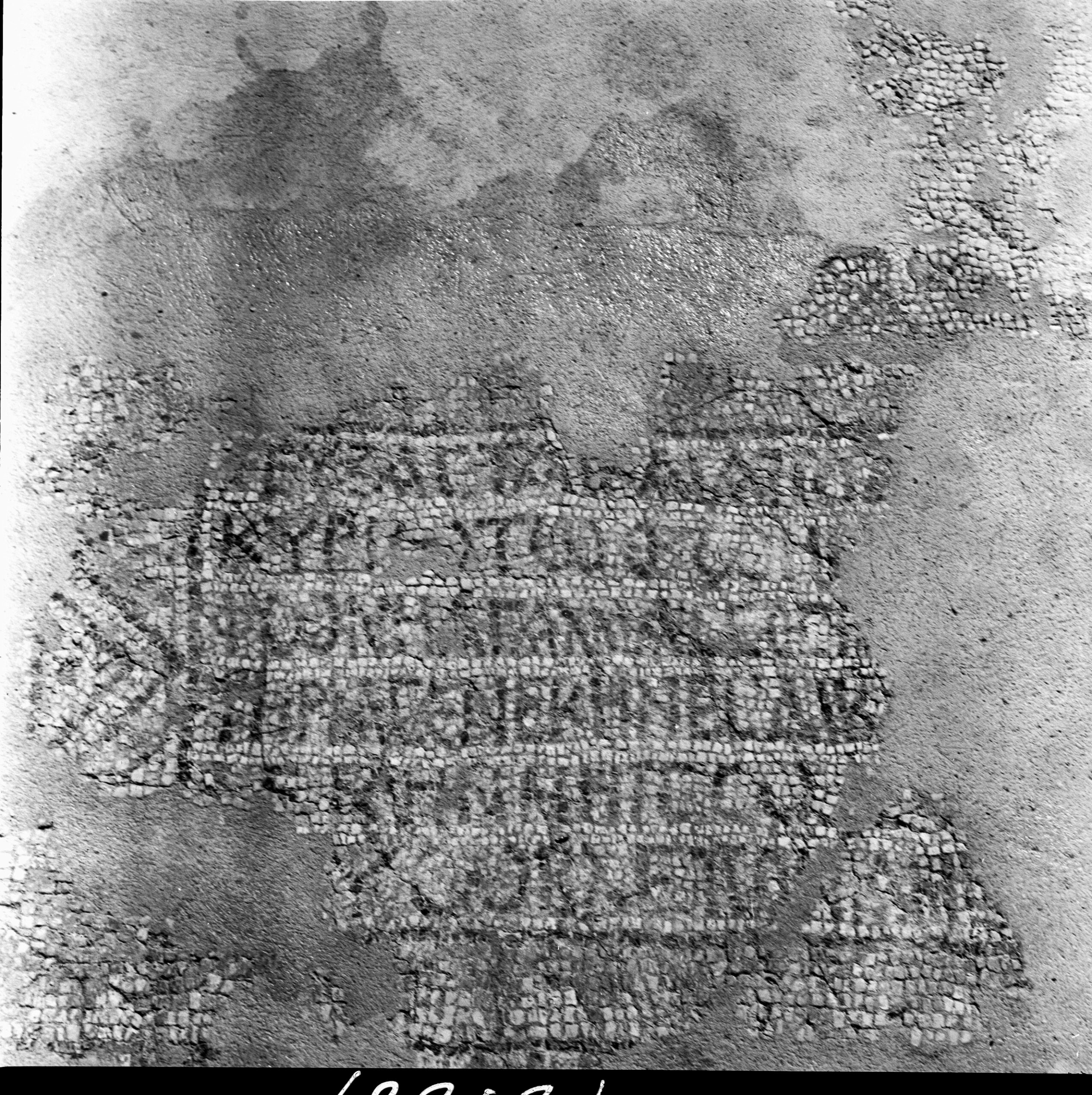
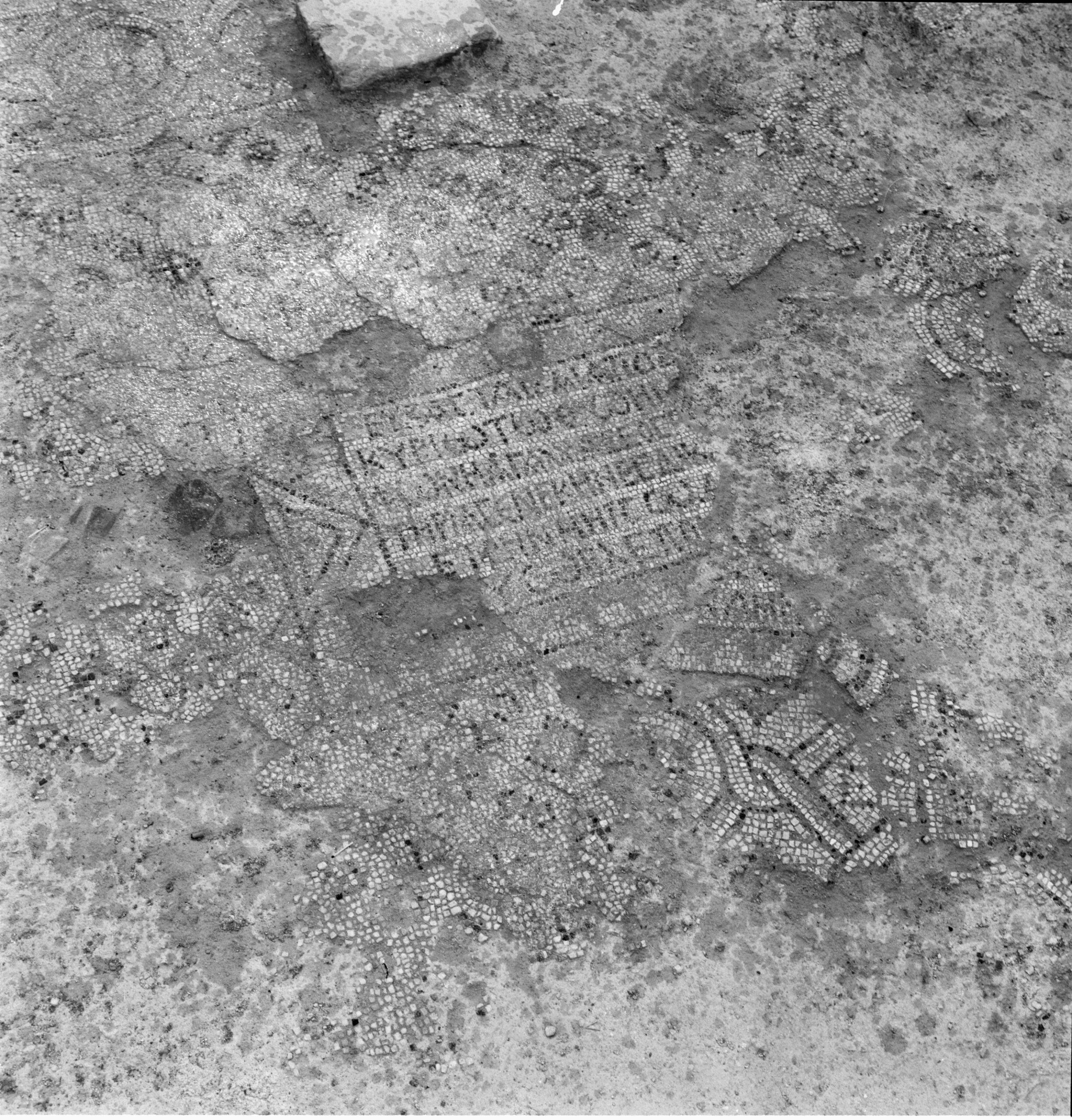
On the exterior side of each aisle, there were long corridors that served as catechumena (4). On the western side, a wide narthex (2) separated the church from the atrium (5), namely the paved courtyard with a central hexagonal basin. To the north of the atrium, a large room used as a diaconicon (3), a space where the faithful deposited offerings, as indicated by a mosaic inscription preserved on the floor.
The narthex of the basilica connected to another atrium to the north, which was surrounded by four porticos. In the middle of the atrium, there was an octagonal fountain. This atrium belongs to the complex of the baptistery, located to the north of the basilica.
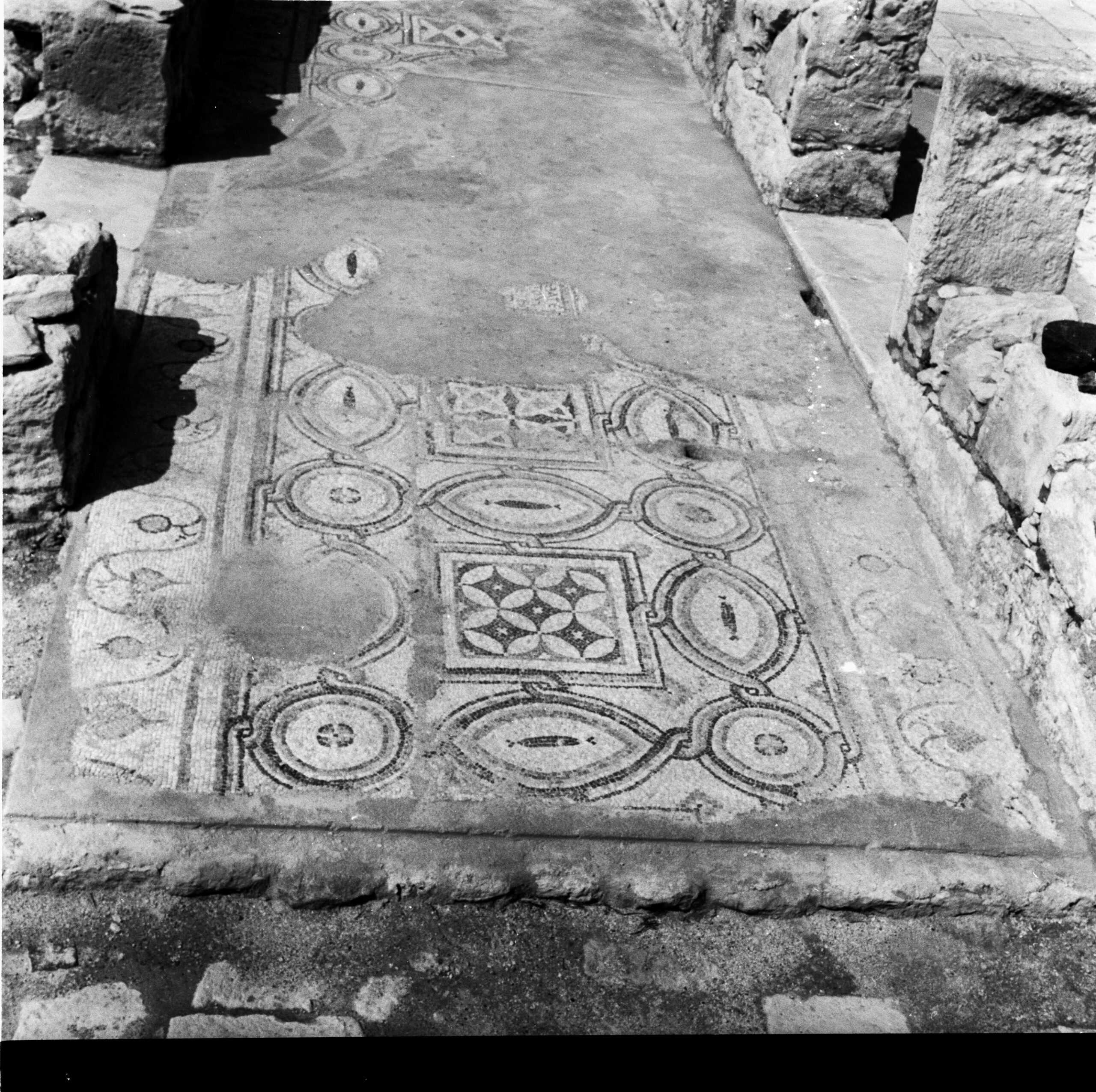
The baptistery is a complex structure, following the type of a small three-aisled basilica with a narthex (6). The cross-shaped baptismal font (11) was located within an apsidal niche on the southern side of a chamber attached to the southern wall of the baptistery basilica. The baptistery was decorated with mosaic floors and marble wall revetments.
The bishop’s residence (episcopium) (7), a two-story building, was located north of the diaconicon and was accessible from the main church's narthex.
During the 6th century AD, alterations and modifications were made within both the main church and the baptistery complex, likely reflecting changes in liturgical practices.
The episcopal complex, the seat of the bishops of Kourion, appears to have been abandoned in the 7th century when the entire city of Kourion gradually declined due to various political and economic factors, prompting the population to relocate closer to the Kouris River, near the present-day village of Episkopi.