DESCRIPTION:
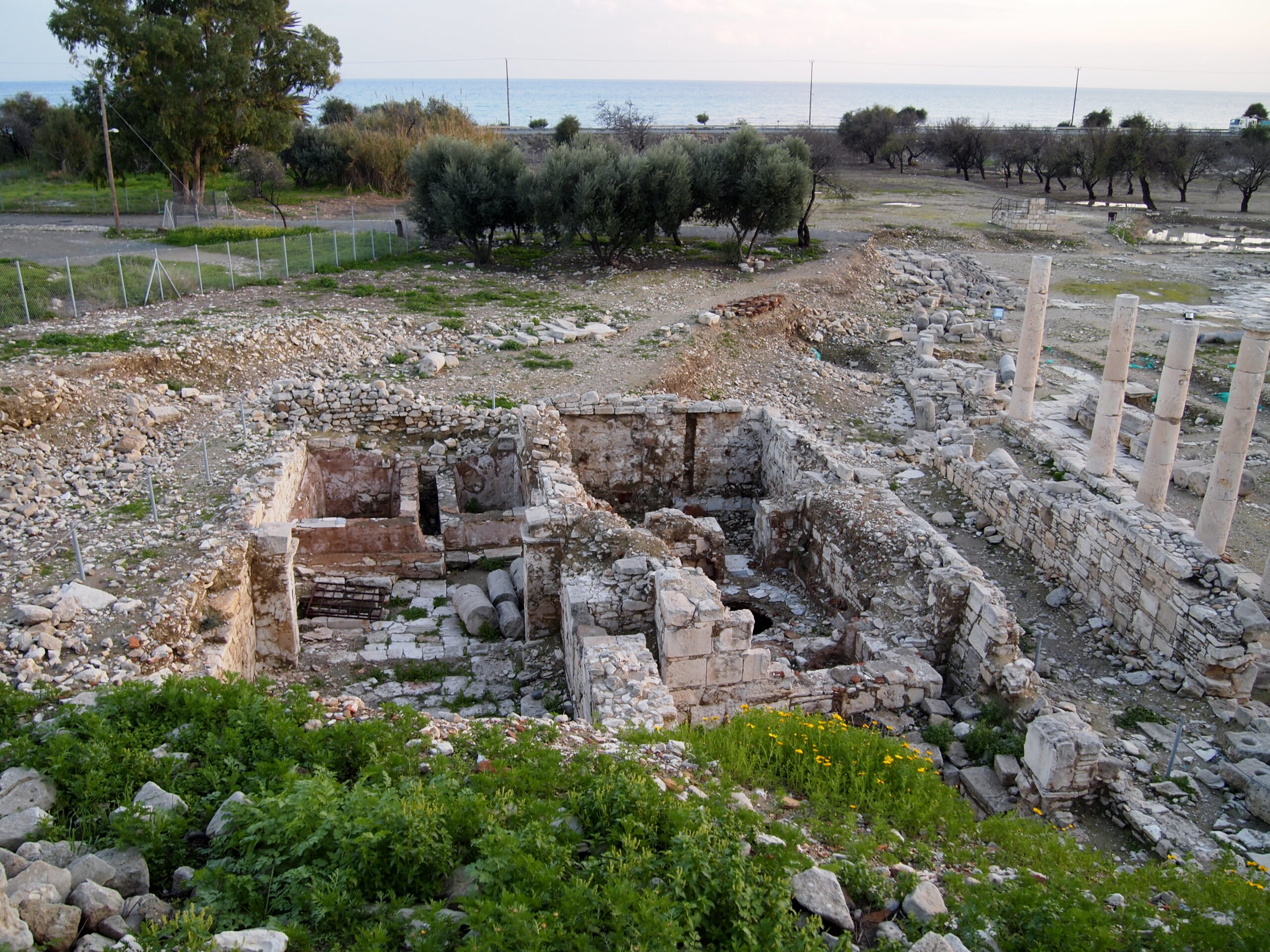
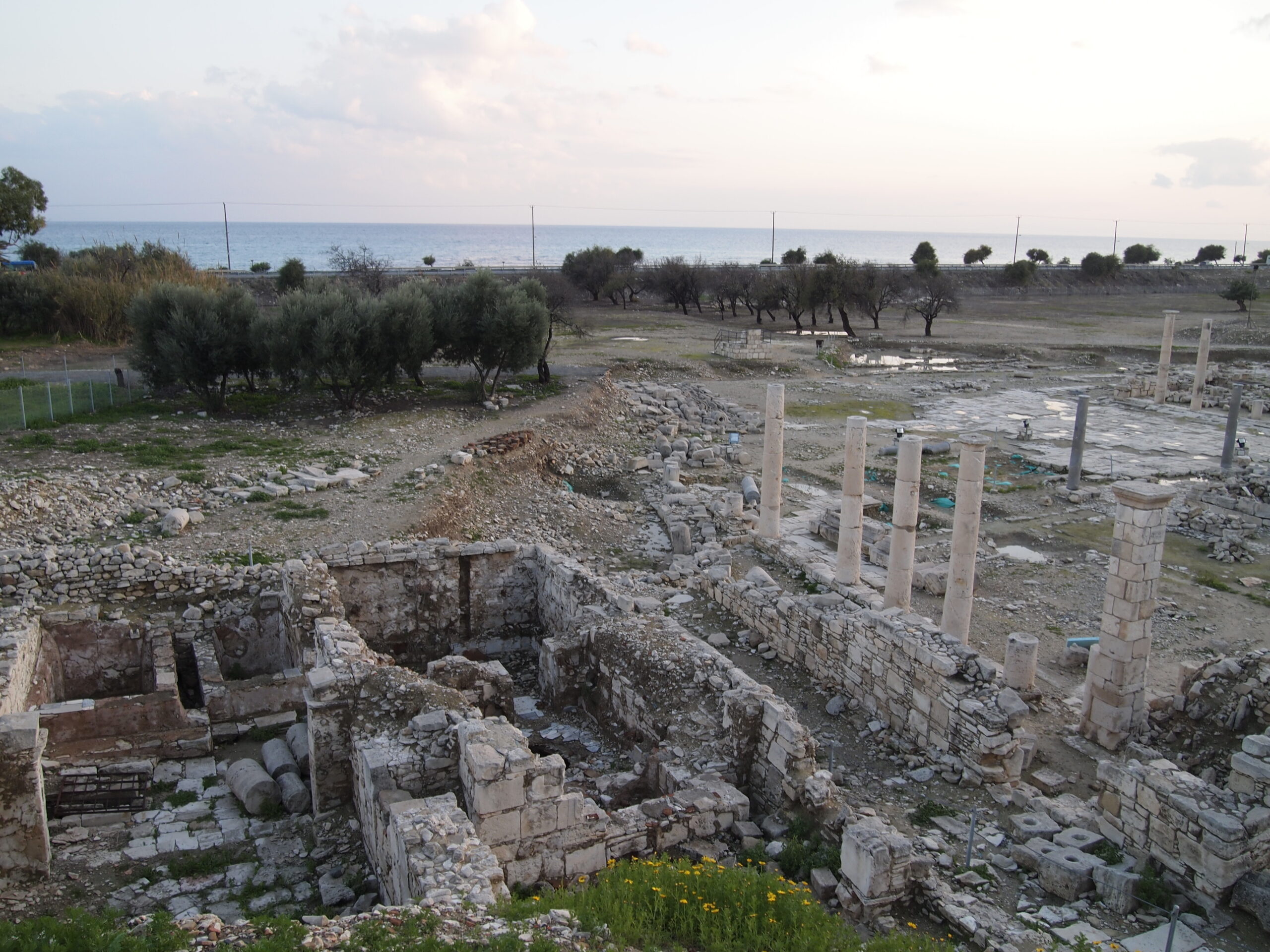
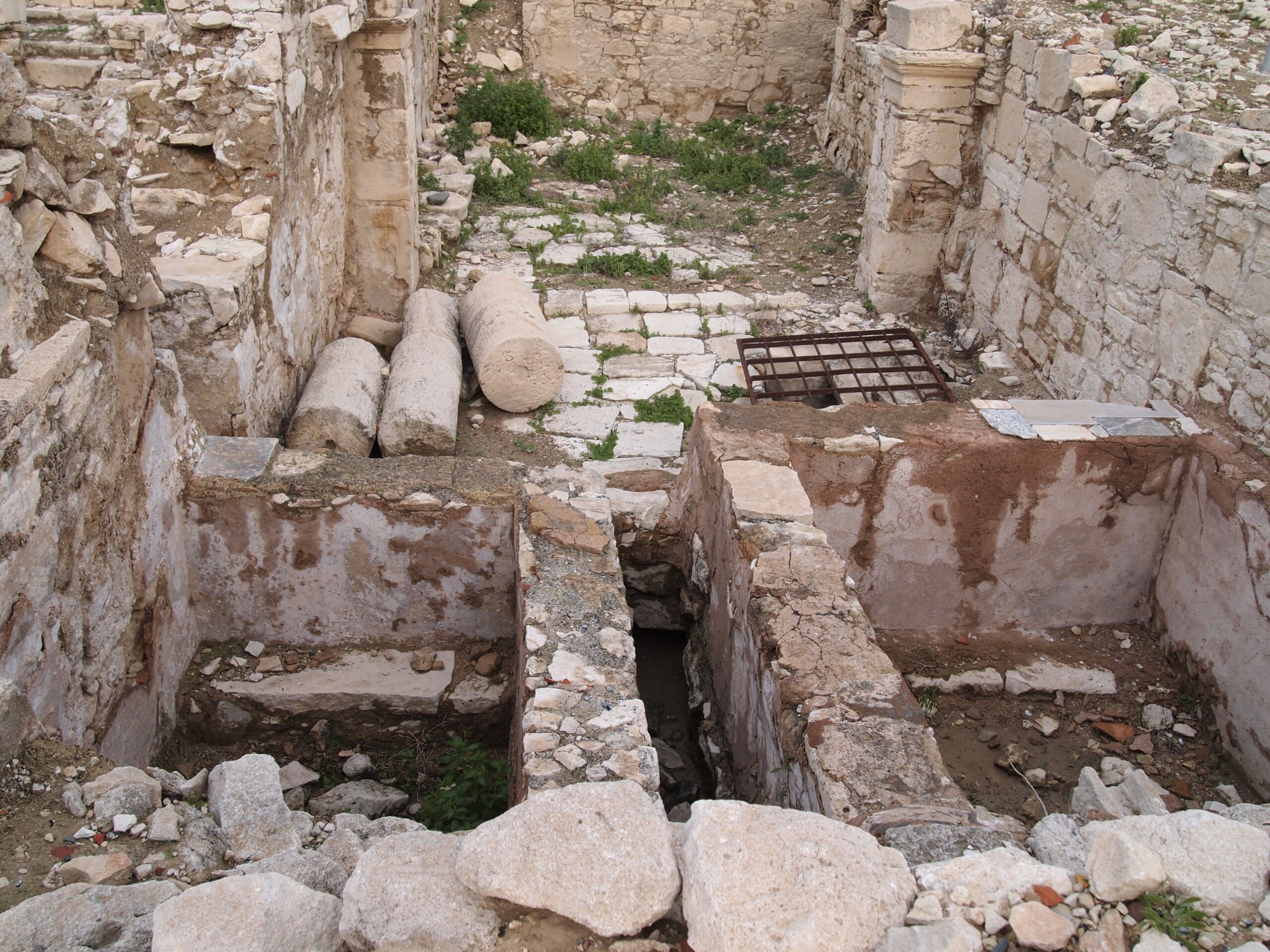
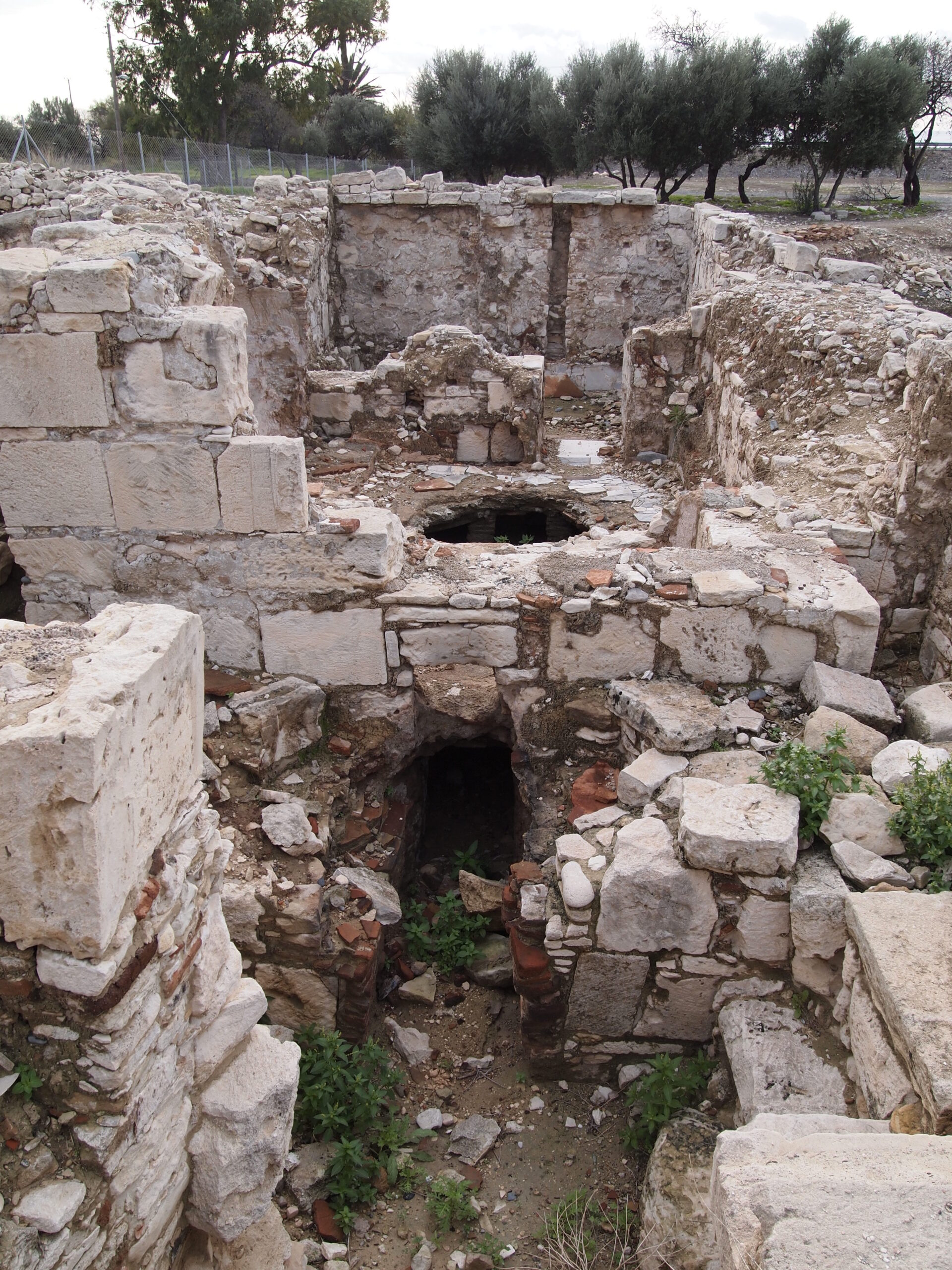
The public baths were facilities that met the citizens' daily needs for body care during the Roman period while also serving as places of social interaction. The Roman Baths of Amathous, despite their restricted size, follow the architectural expertise of the period, where rooms are divided based on the water temperature that heats up gradually from the east (cold water) to the west (hot water) due to the underfloor movement of hot air and smoke.
The rooms comprising the bath complex follow a straight course, so that the bather could gradually proceed from the cold to the hot baths and backwards, to exit the facilities. Entrance to the cold bath was through the changing room.
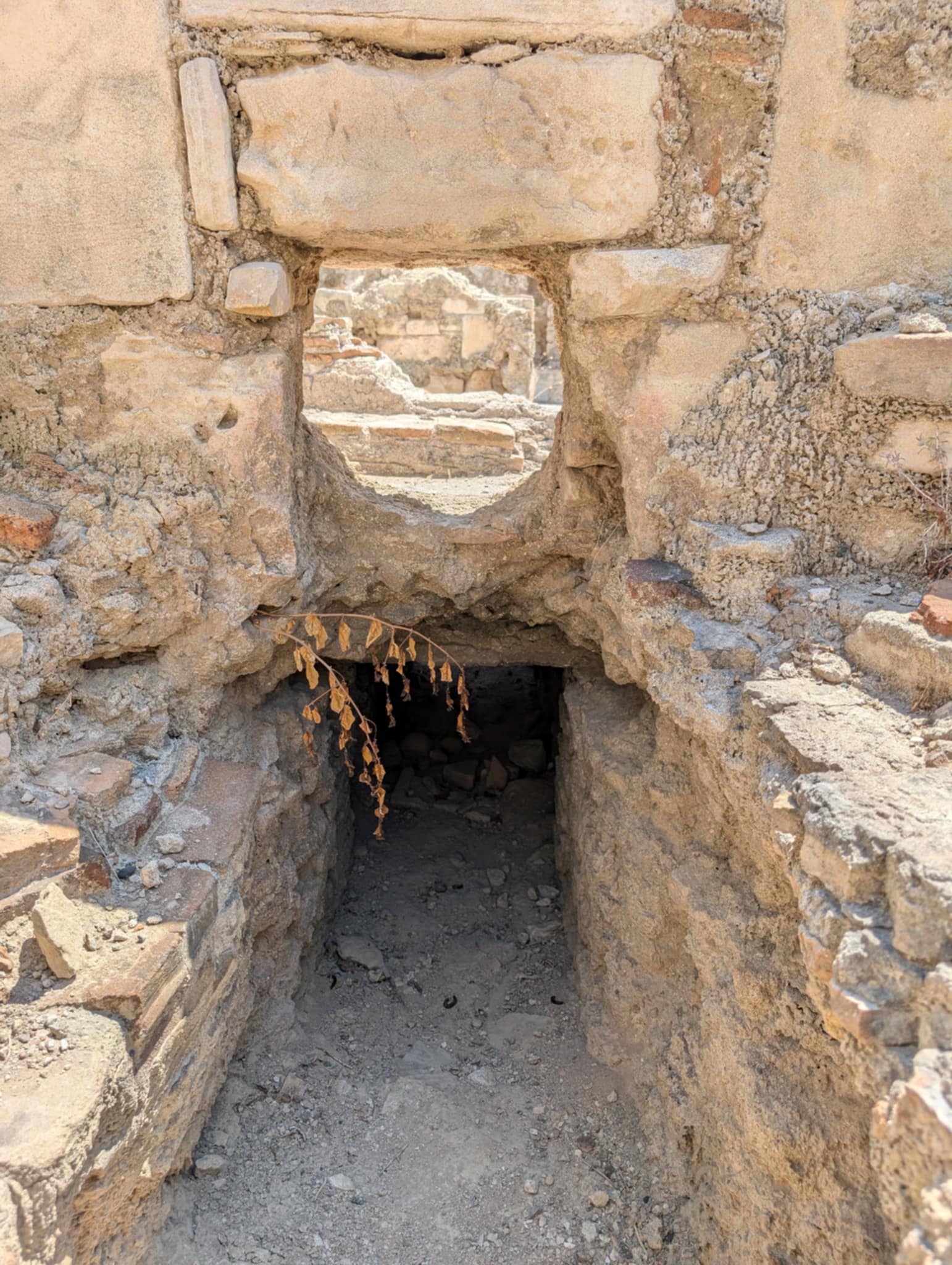
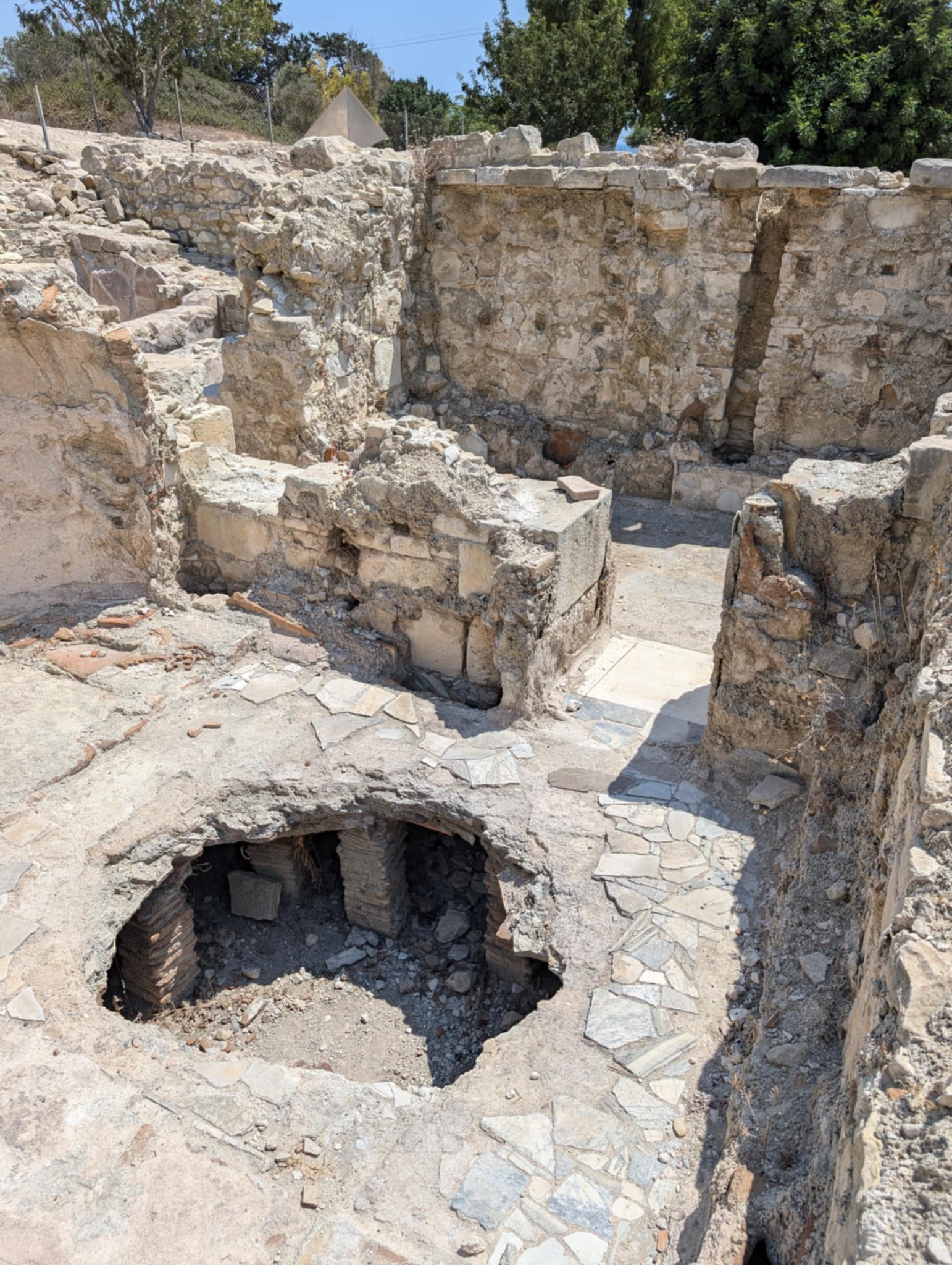
The floors of the warm and hot baths were raised and supported by square brick pillars forming the hypocaust system, allowing the underfloor movement of hot air and smoke from the furnace to them. The warmest part of the warm bath was a basin located right above the furnace. These two rooms had floors and walls laid with marble paving.
The bath complex was supplied with water from the large cistern or nymphaeum to the north of the agora by pipes hollowed out of stone cylindrical blocks.