DESCRIPTION:
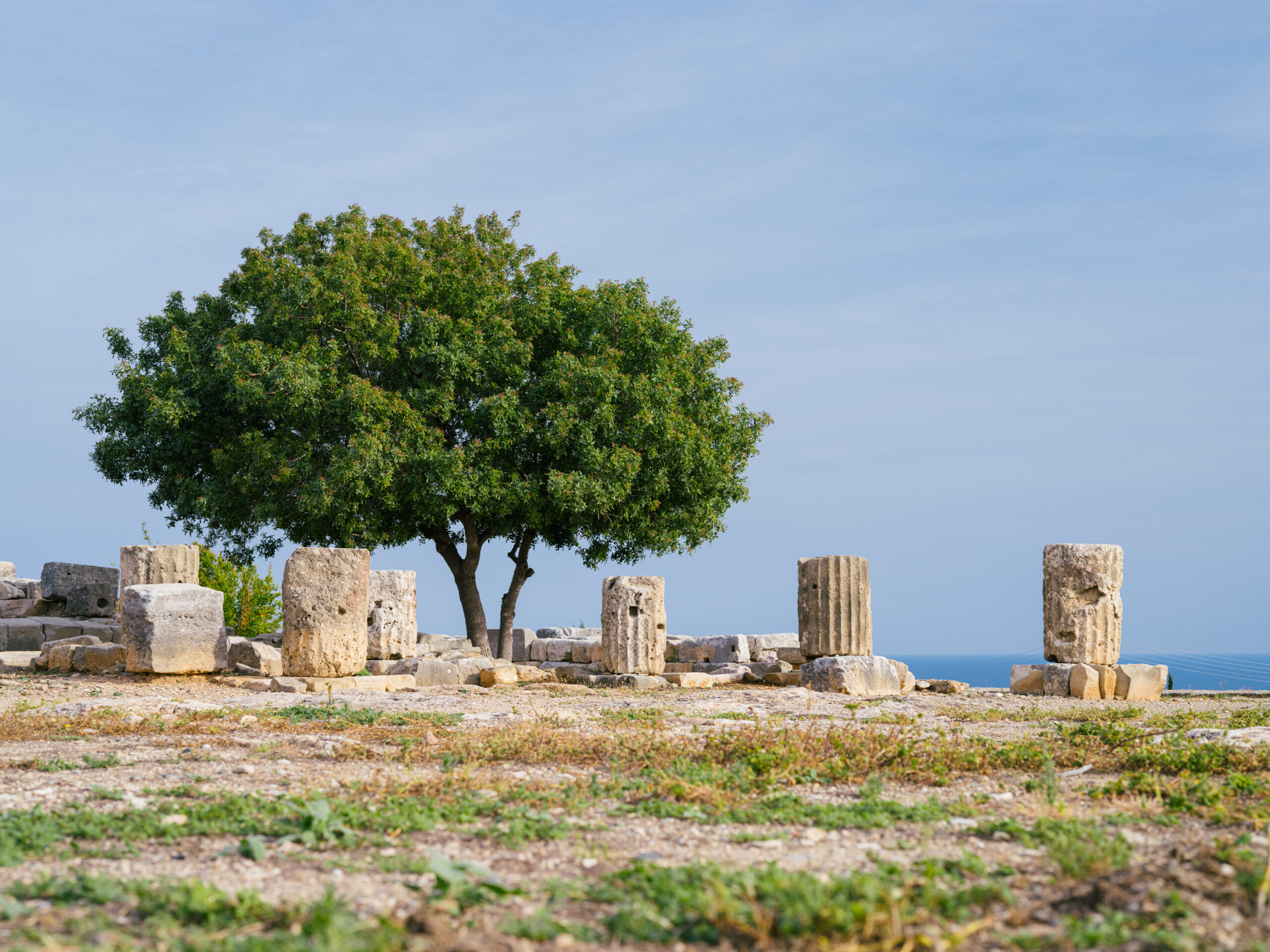
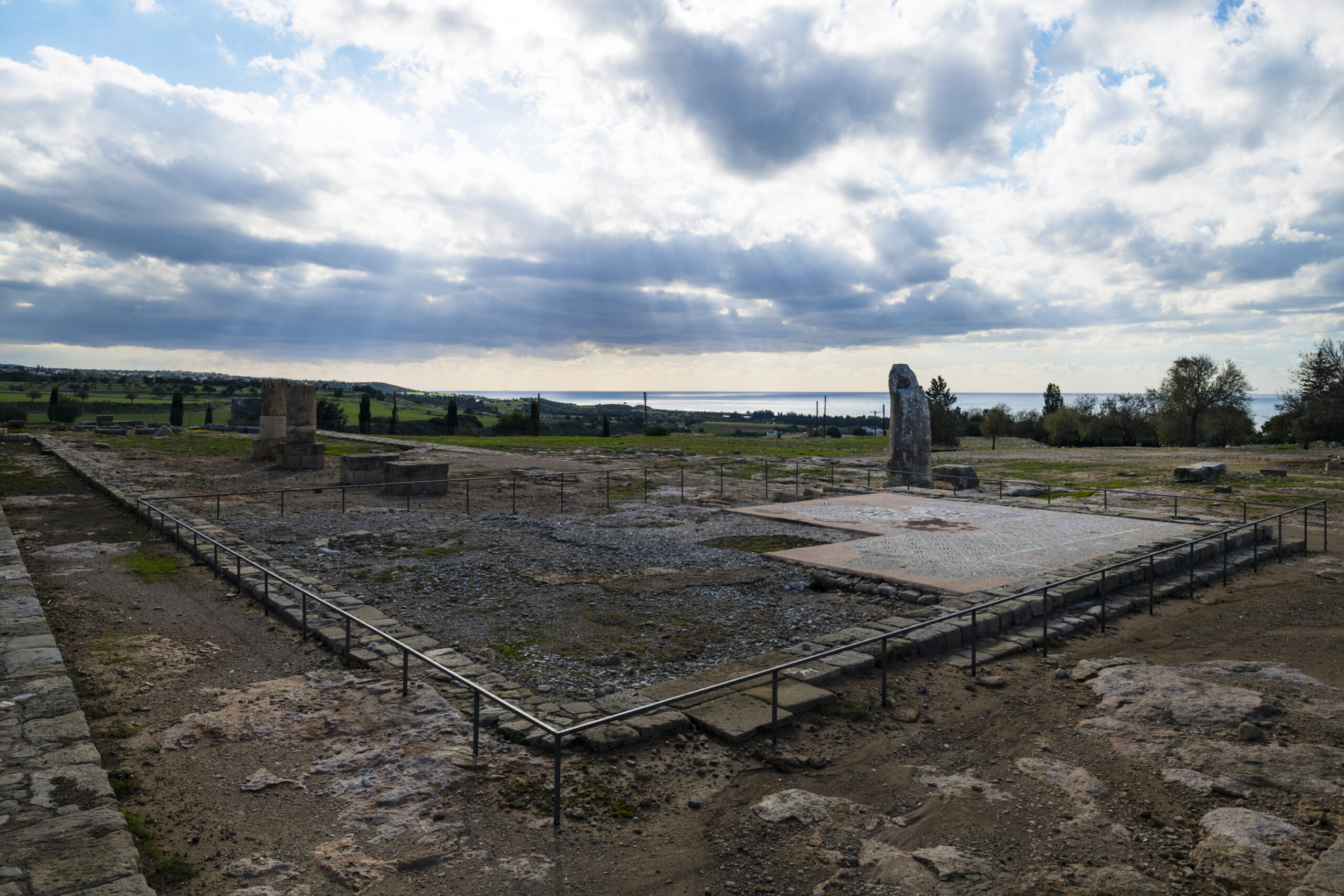
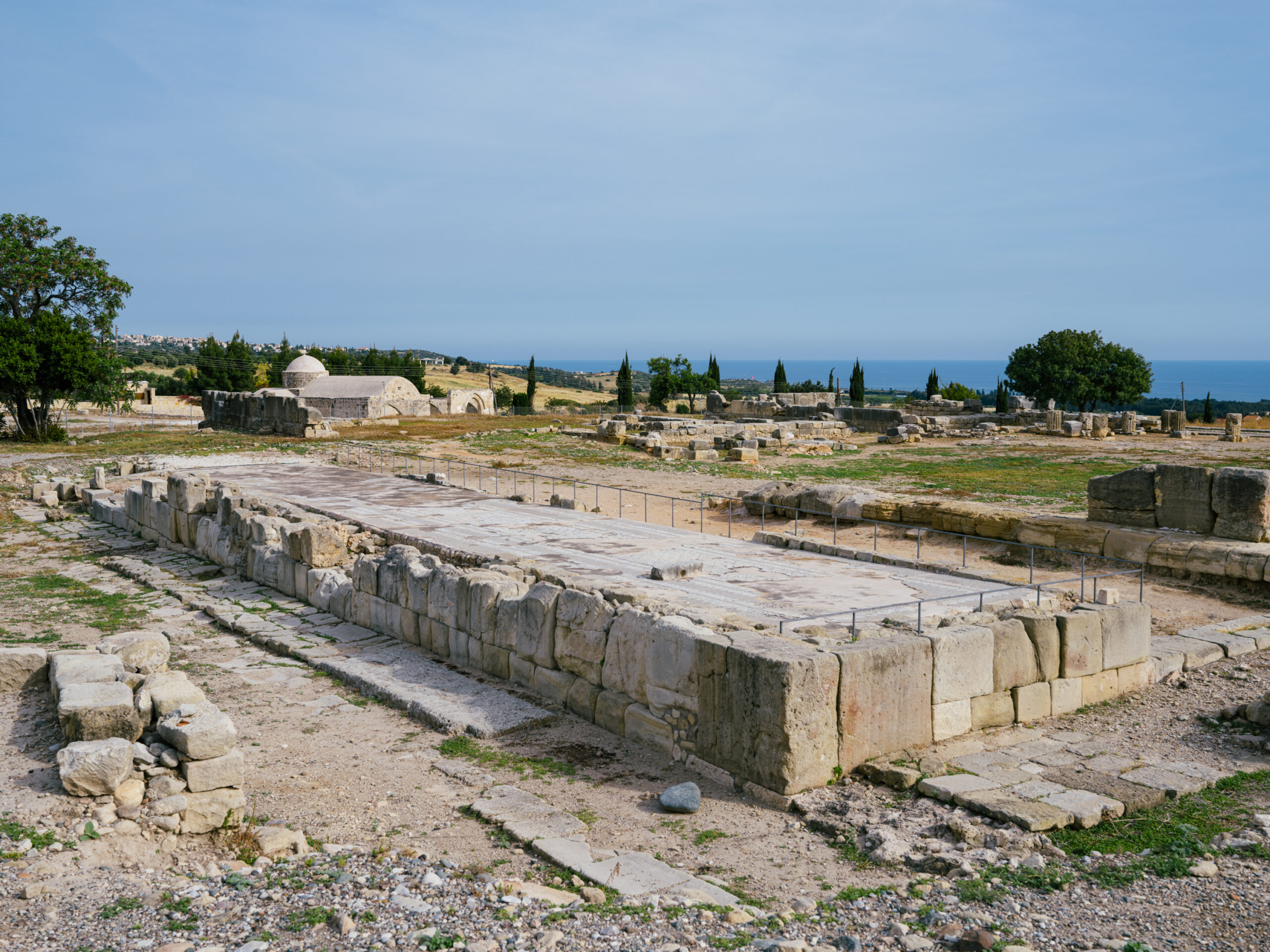
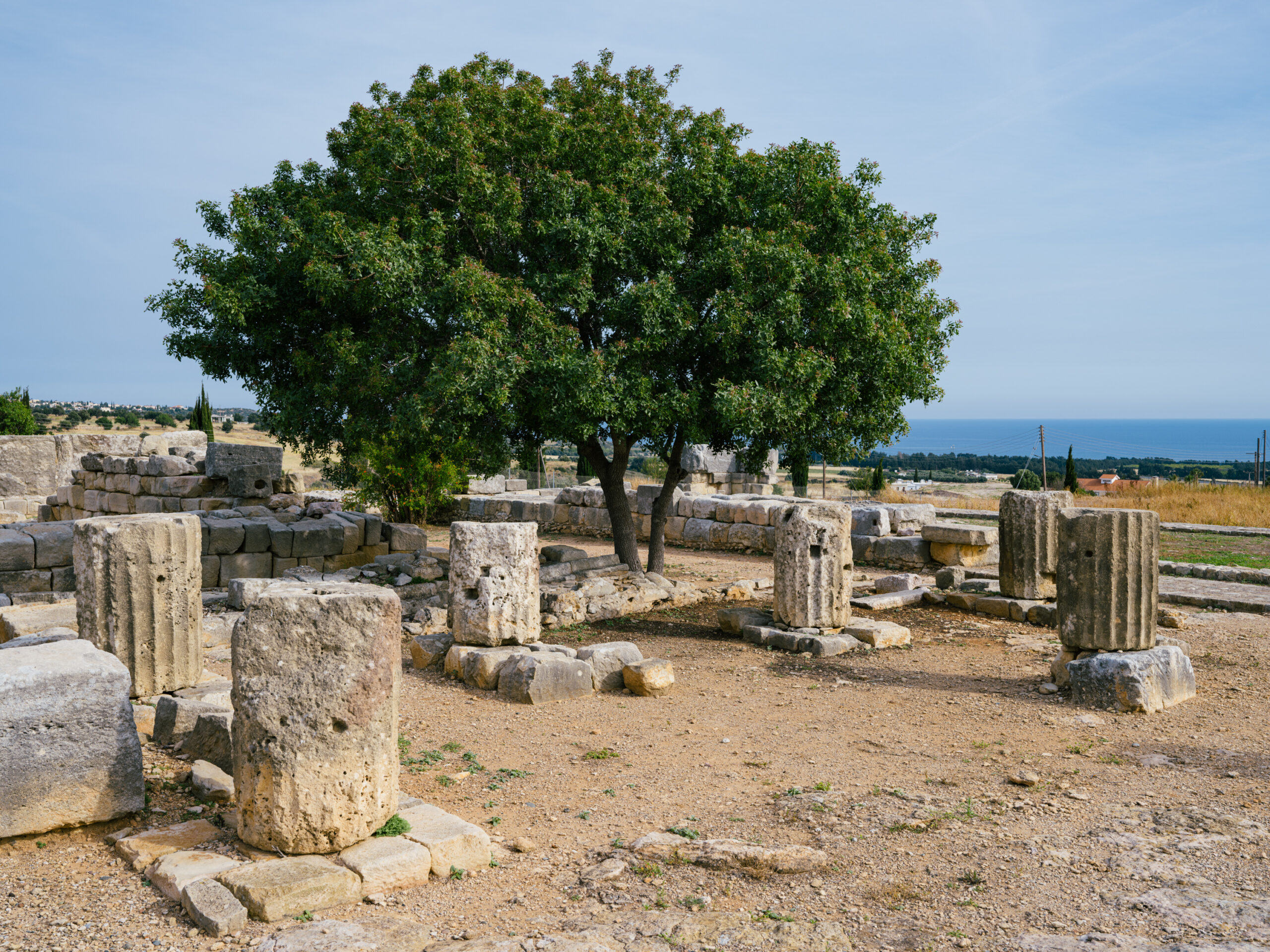
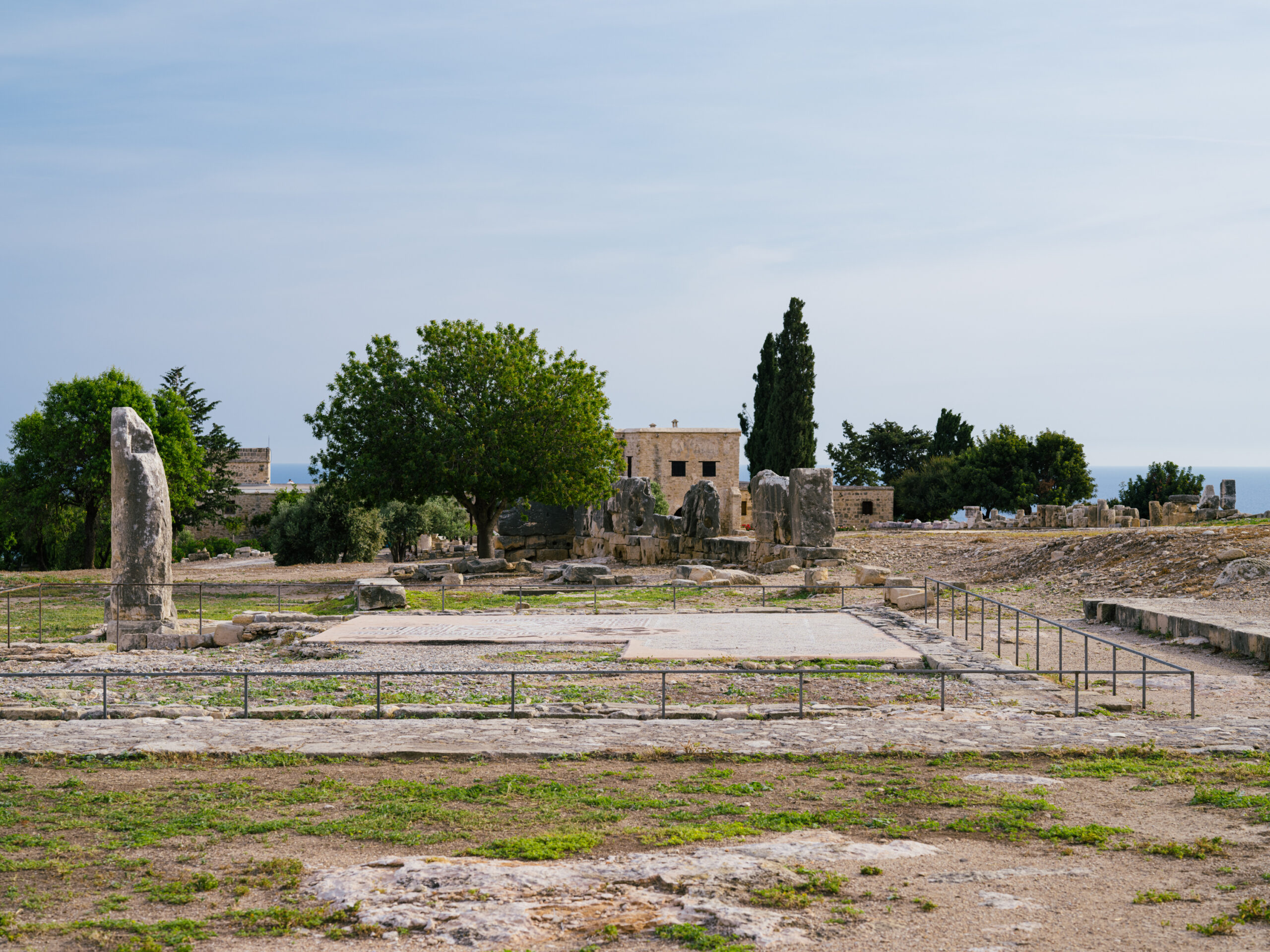
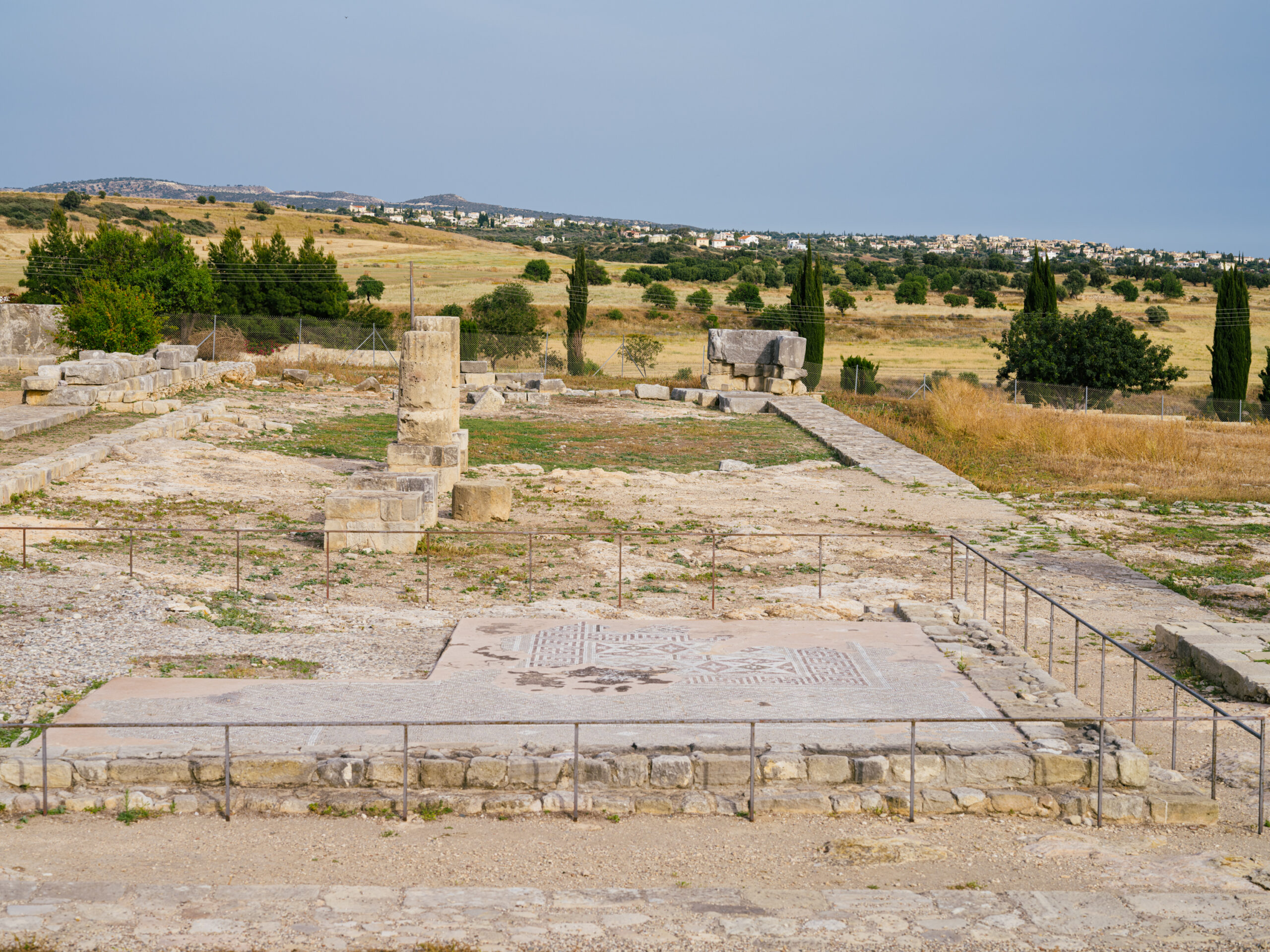
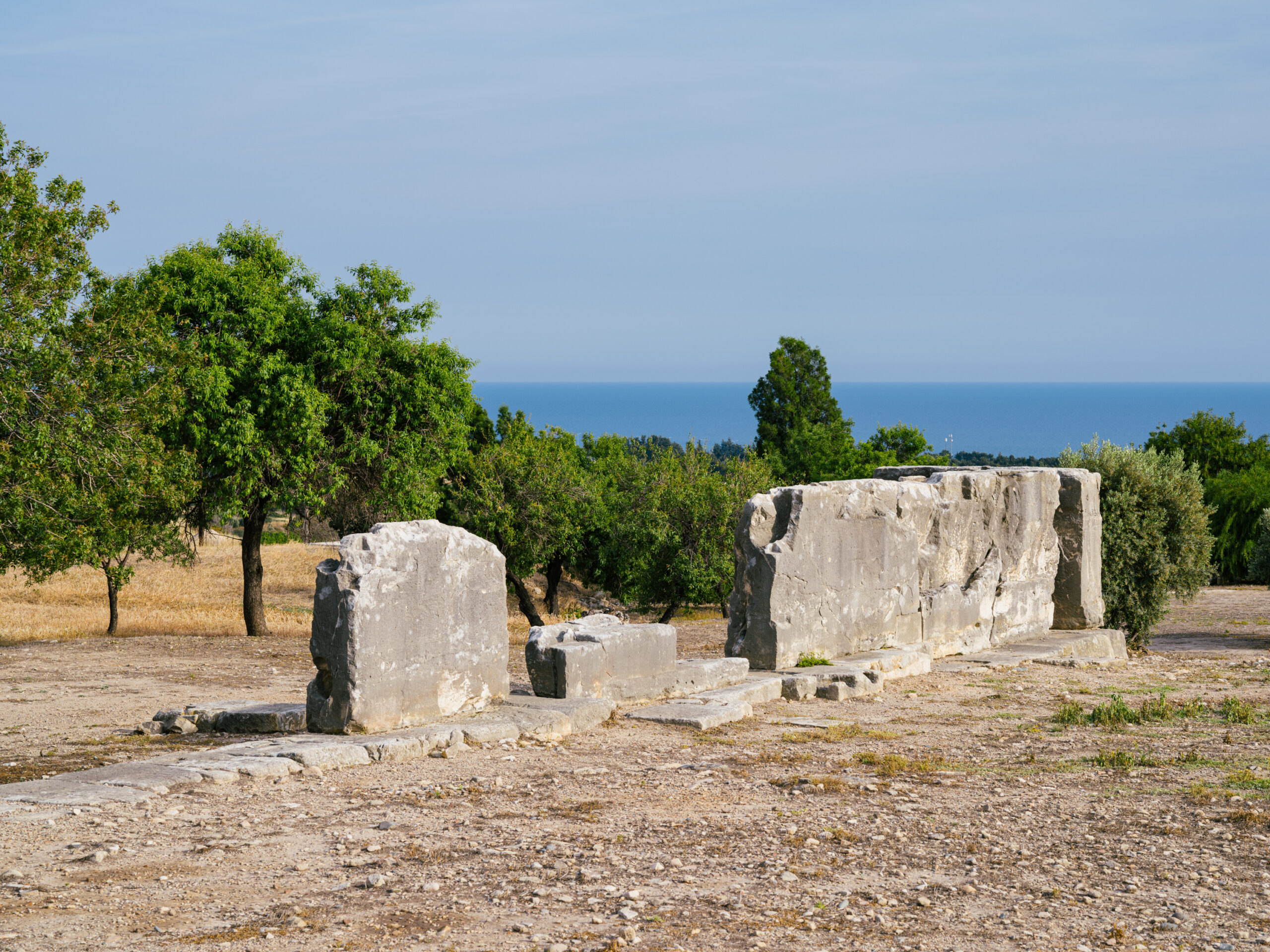
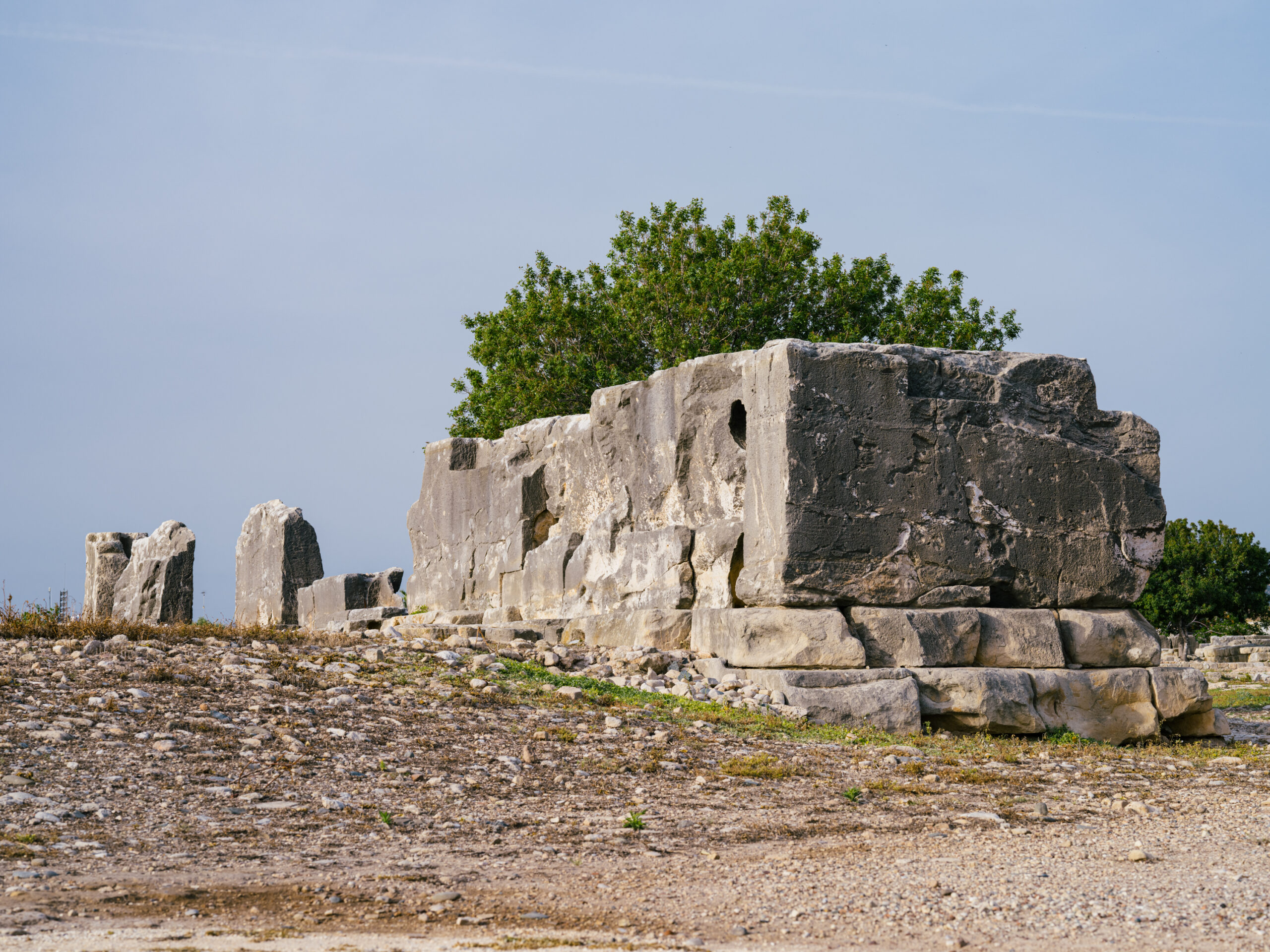
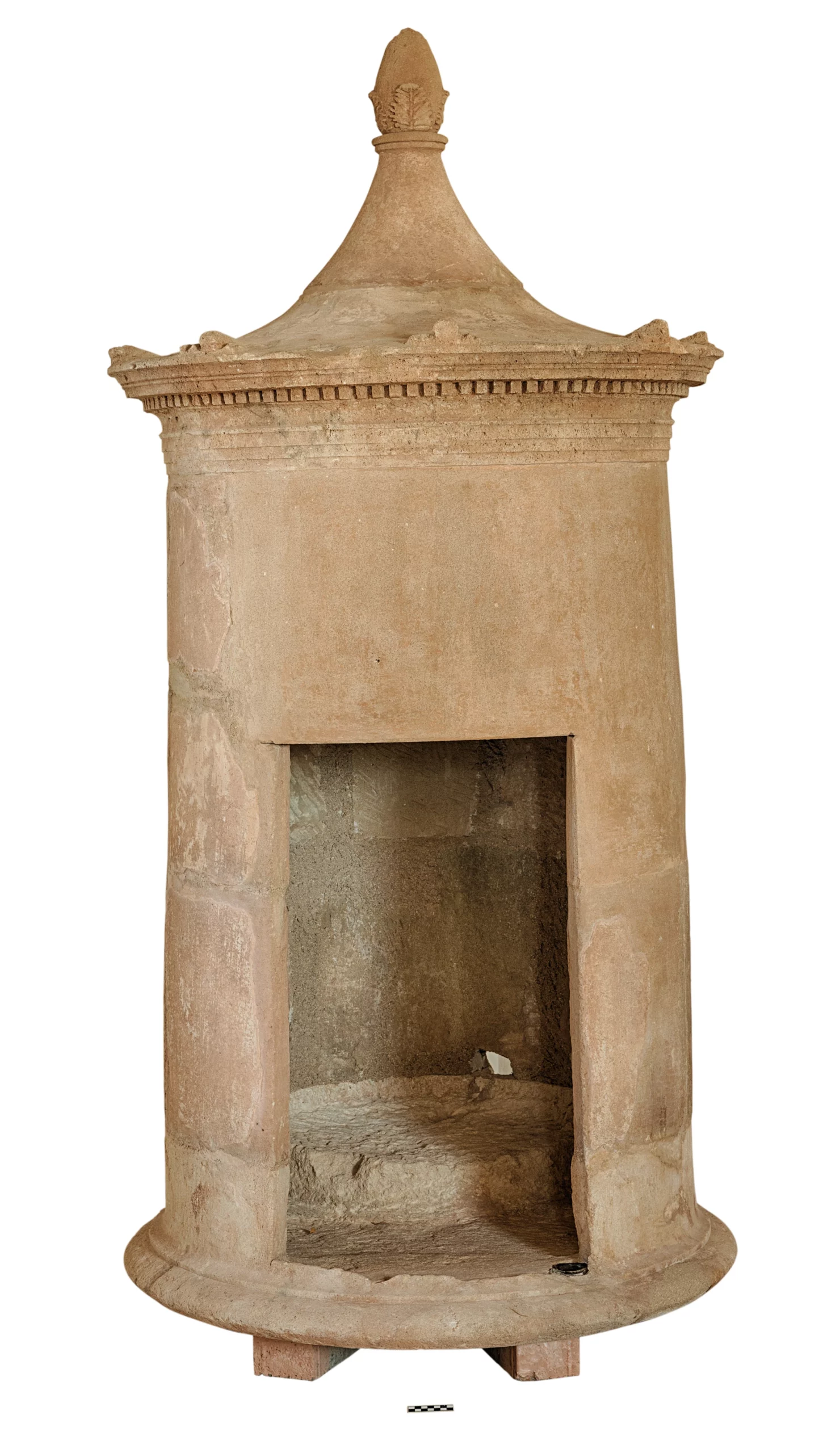
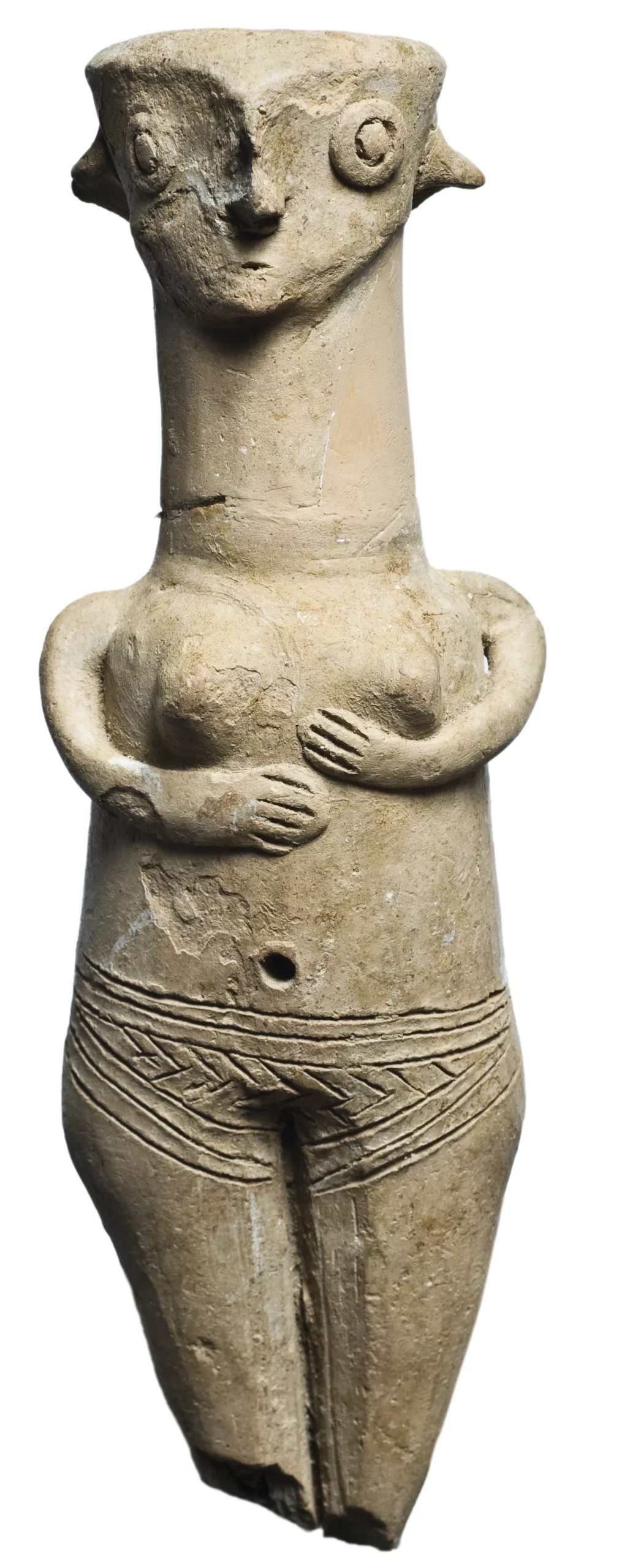
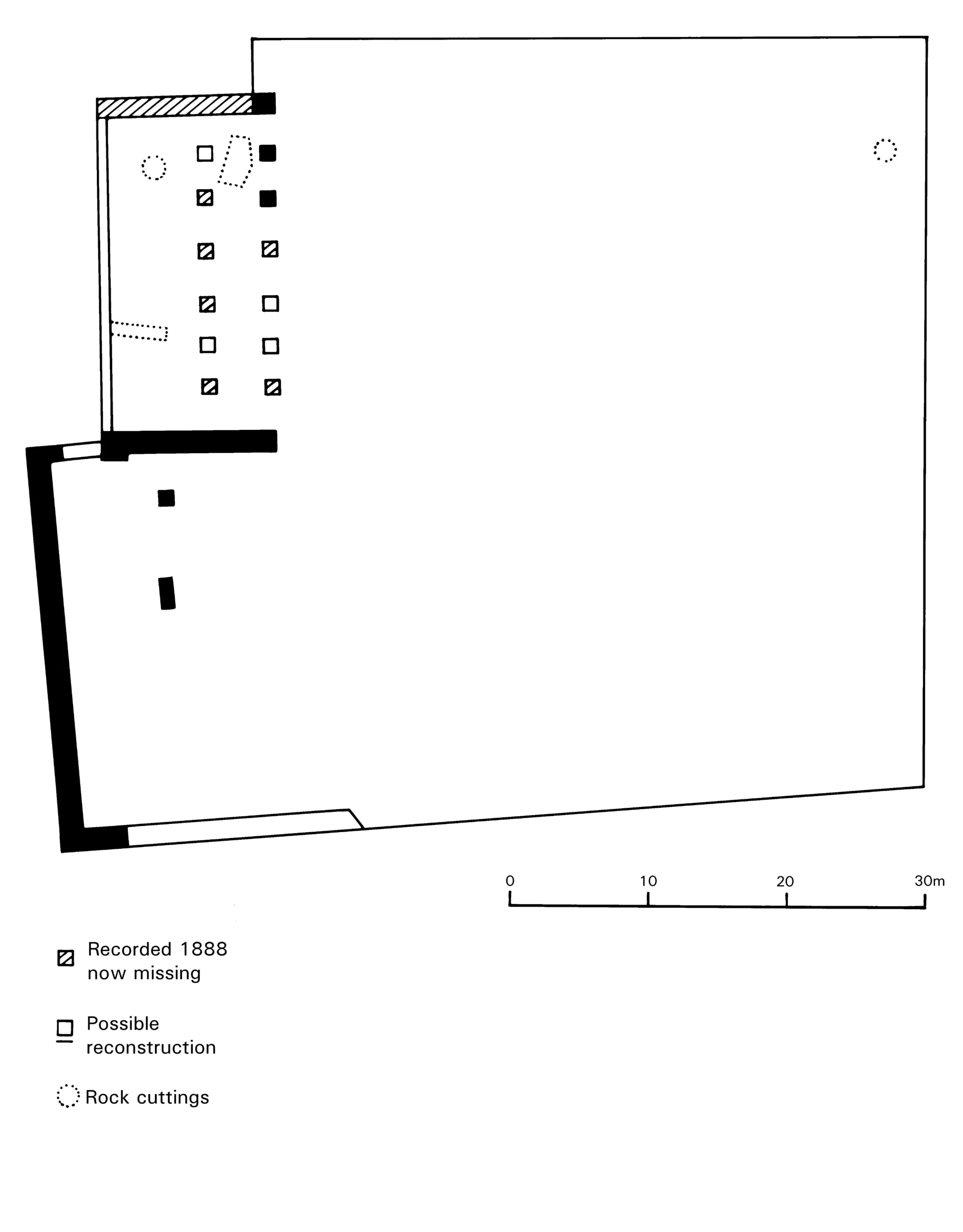
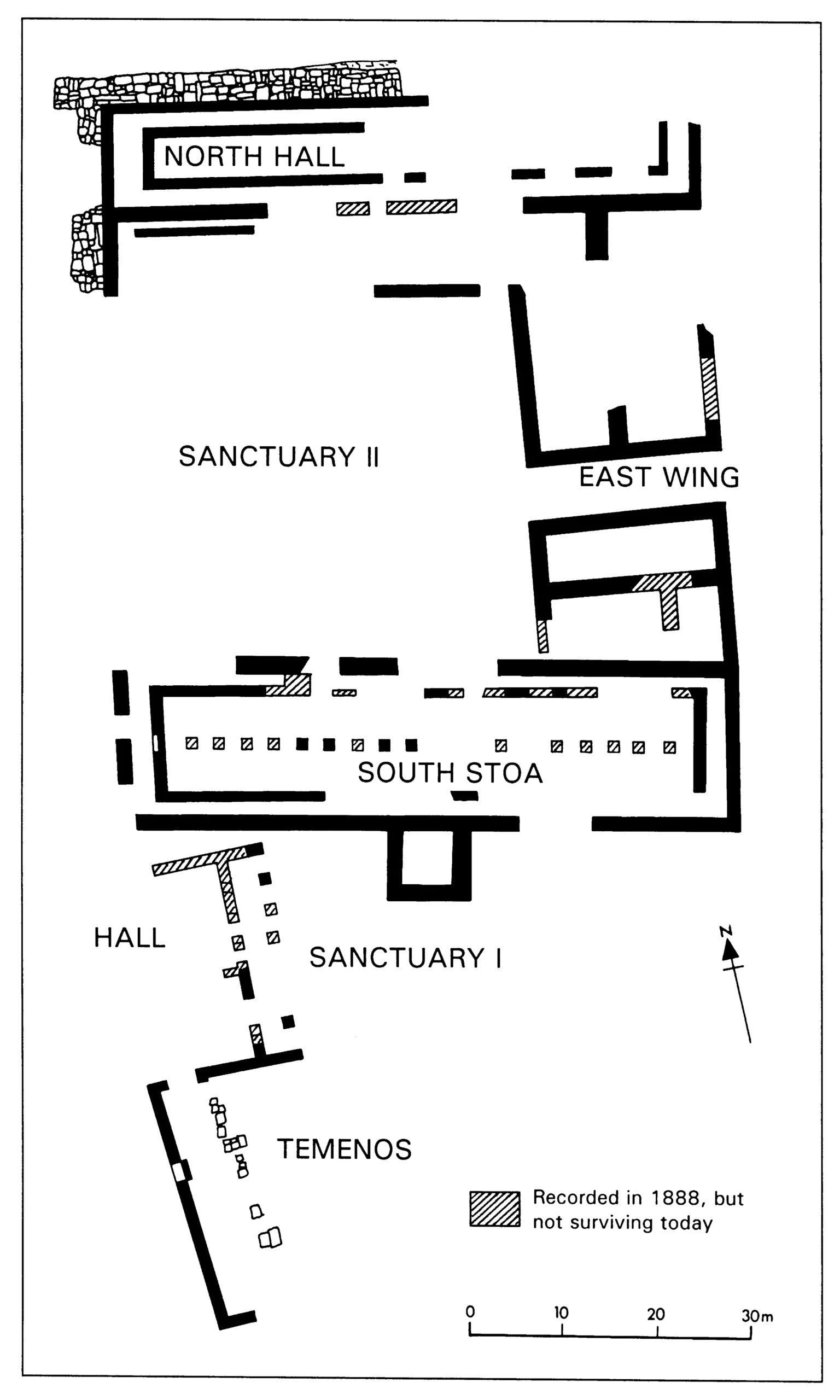
In Palaepaphos, one of the most monumental sanctuaries of ancient Cyprus was constructed around 1200 BC. Dedicated to the worship of the Cyprian goddess, the sanctuary featured a megalithic enclosure that underscored its significance. The sanctity of the site remains unchanged through the centuries, and during the Roman period (late 1st century to early 2nd century AD), a new sanctuary was built.
During the first phase, the sanctuary was comprised of an open-air courtyard (temenos) enclosed by a monumental wall, inside which a shallow basin was likely used for ritualistic purposes, and a covered hall the entrance to which was restricted to those initiated and priests. After the destructive earthquakes of 77-76 BC, the sanctuary was rebuilt in close proximity with the previous one, following the same architectural standards.
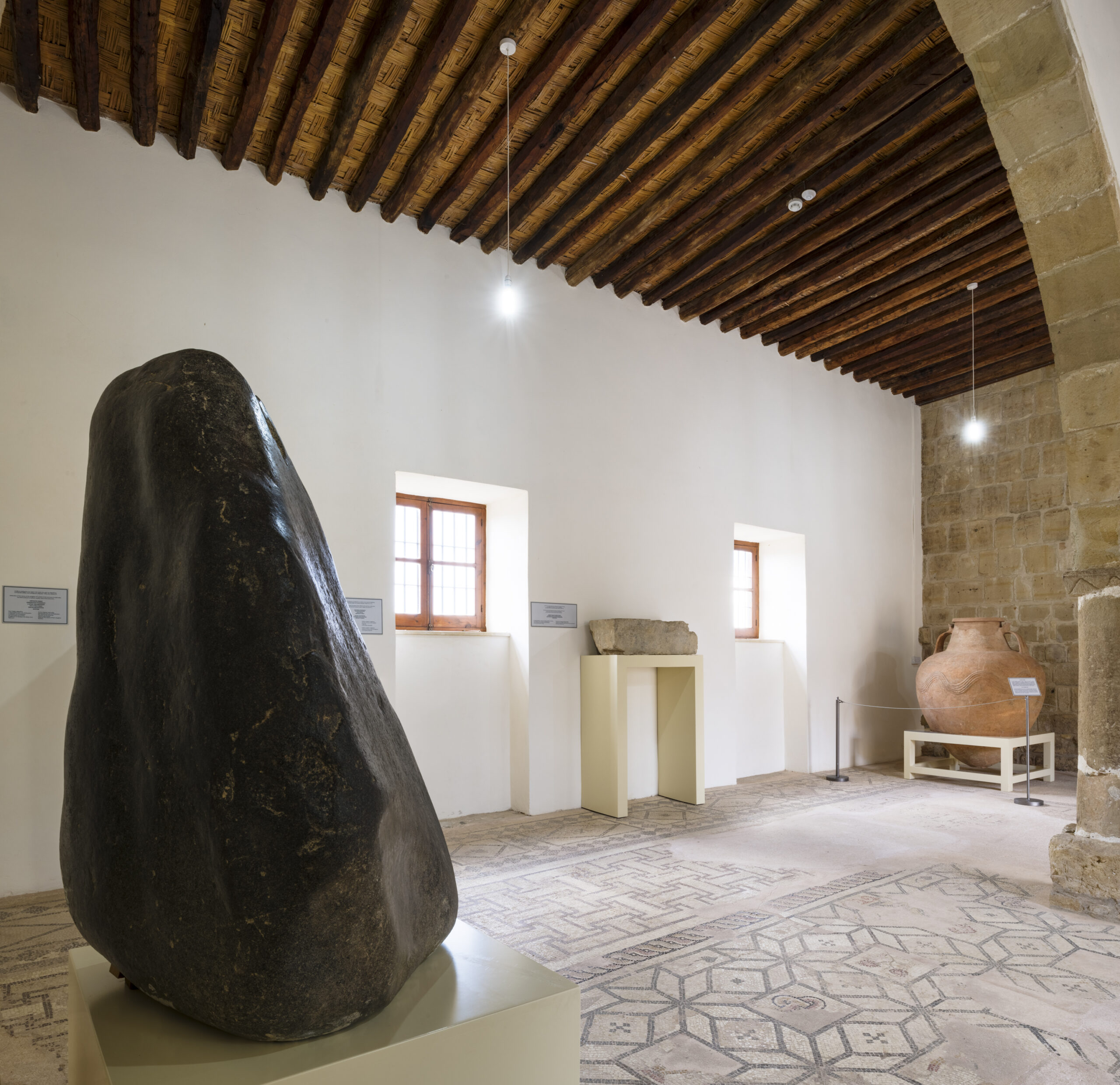
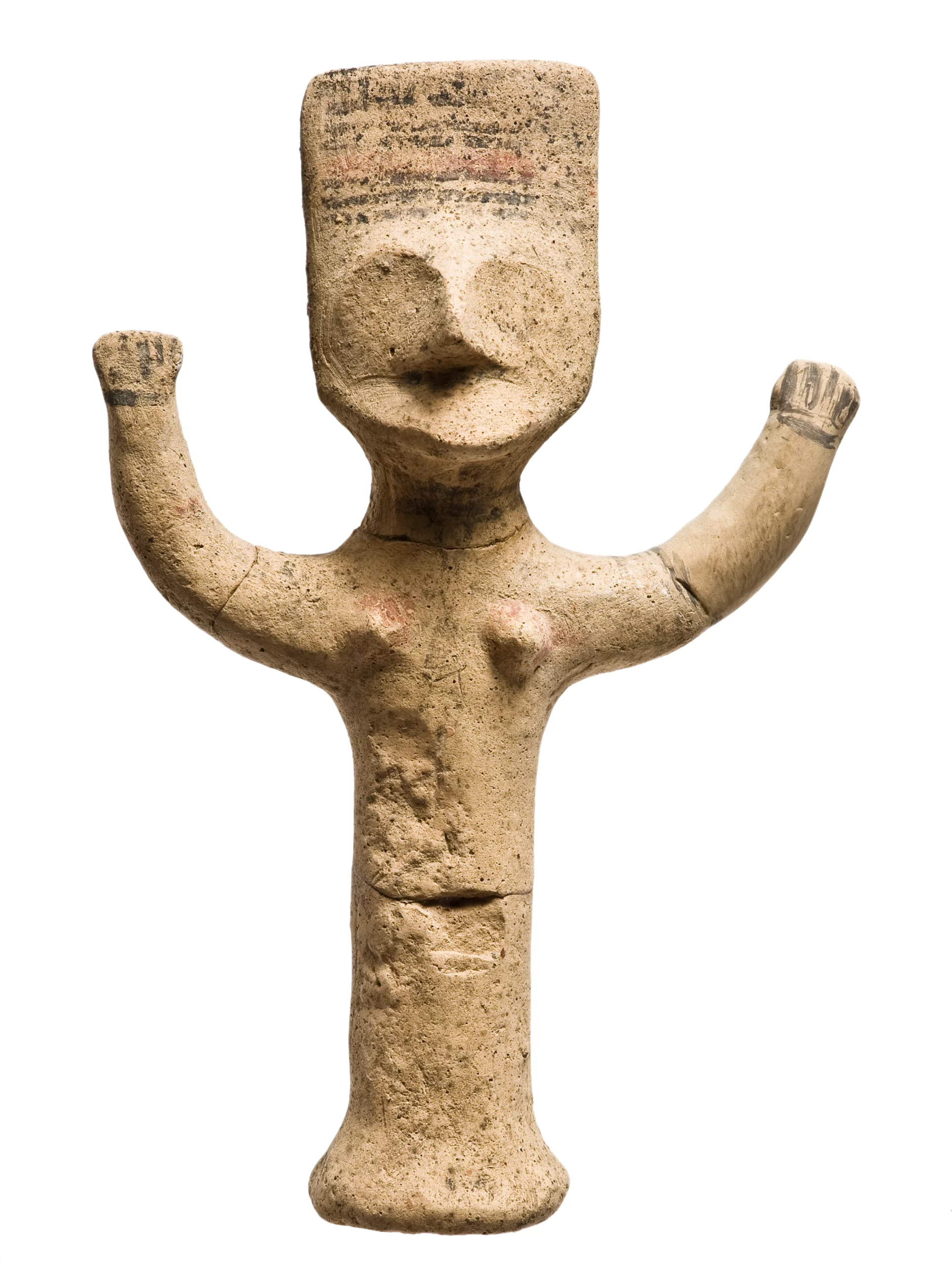
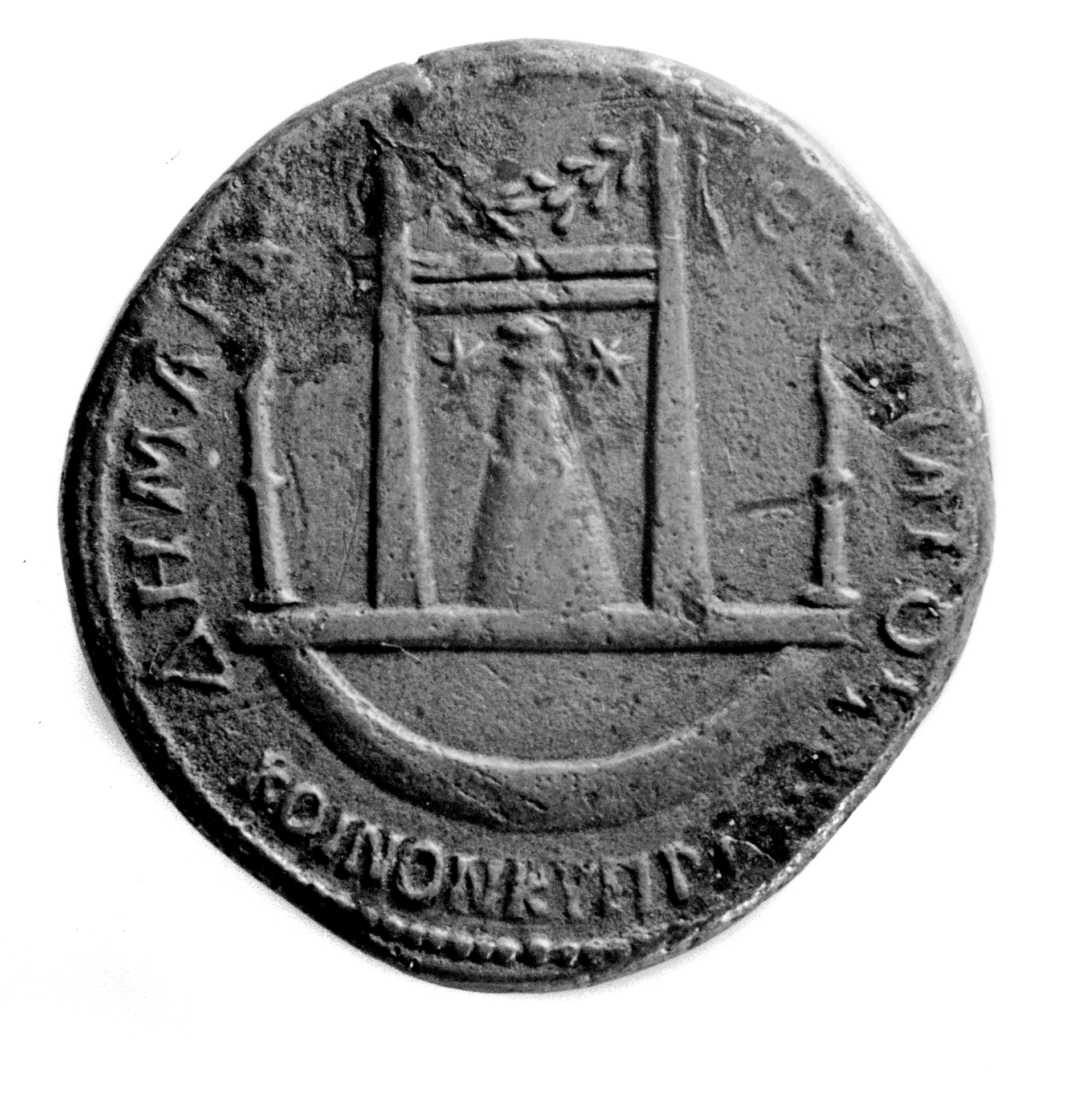
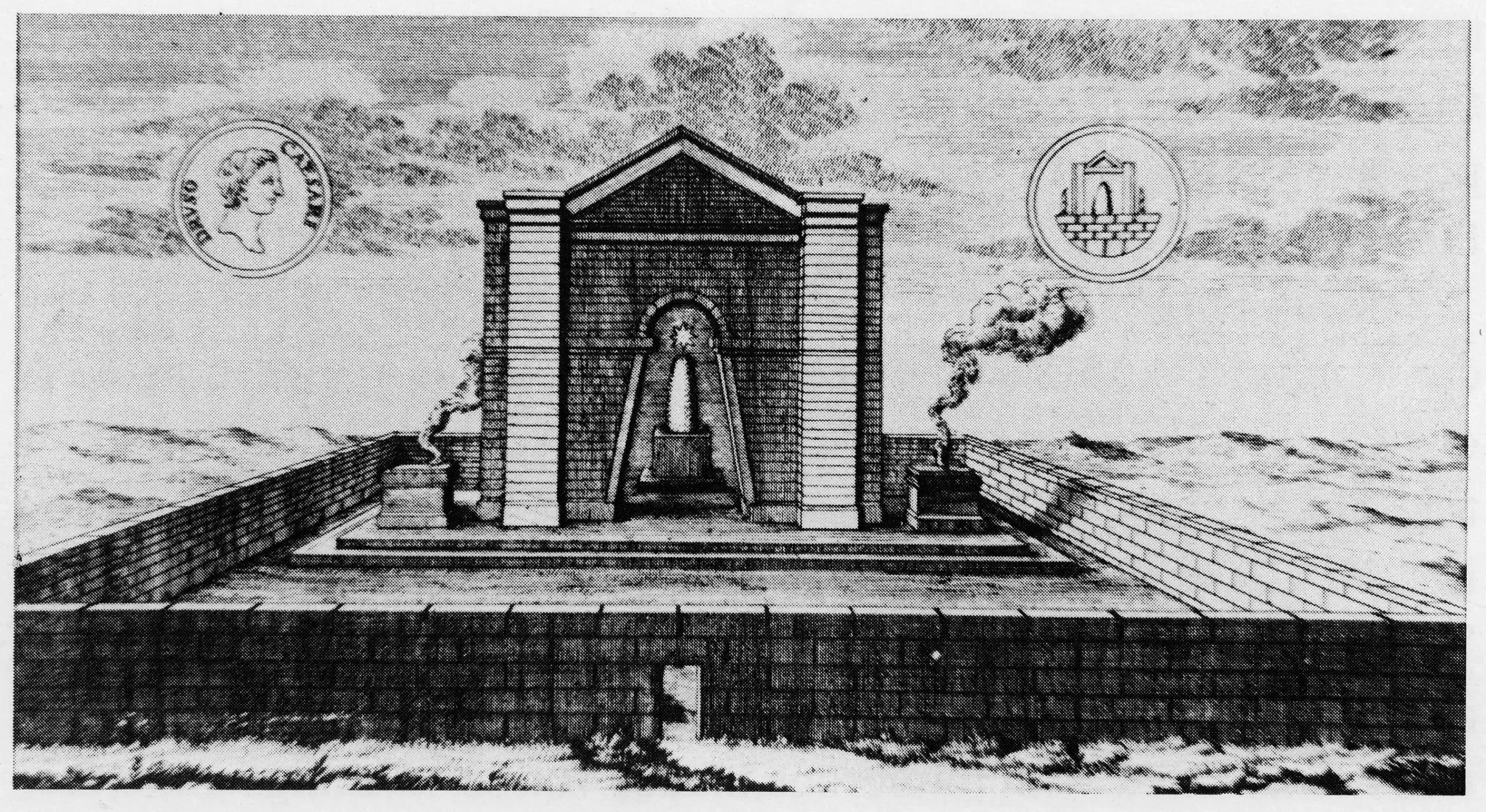
The worship of the Paphian, or Cyprian, goddess was aniconic, meaning she was not represented by an anthropomorphic cult statue. Instead, she was symbolized by a baetyl—a large conical stone made of andesite. During ceremonies the worshippers anointed the stone with oil. This practice of worship is also found in other Mediterranean and Eastern religions. The sacred stone held such cultural importance that it was depicted on Hellenistic clay seals and Roman coins, reflecting its central role in society at the time.
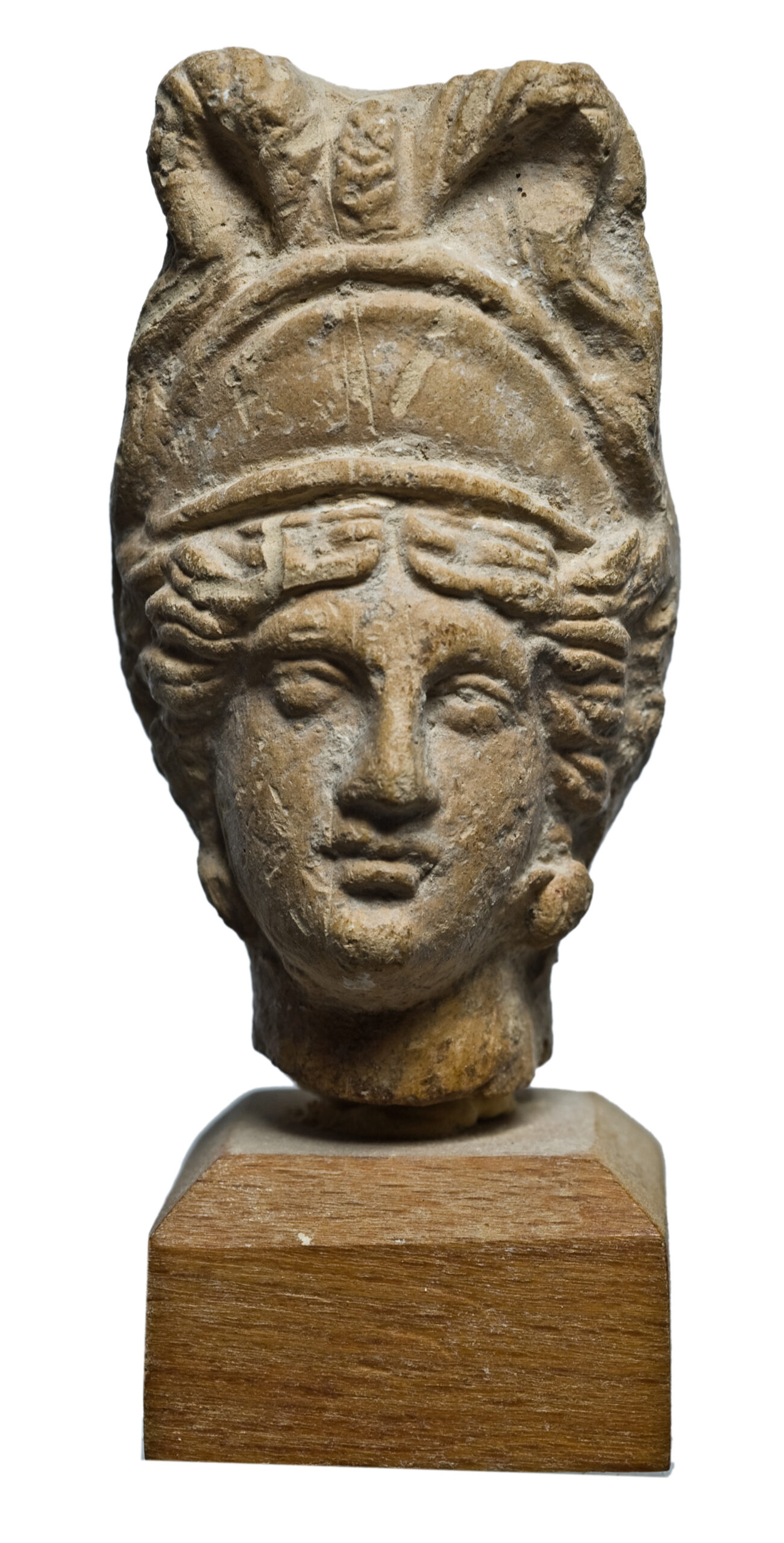
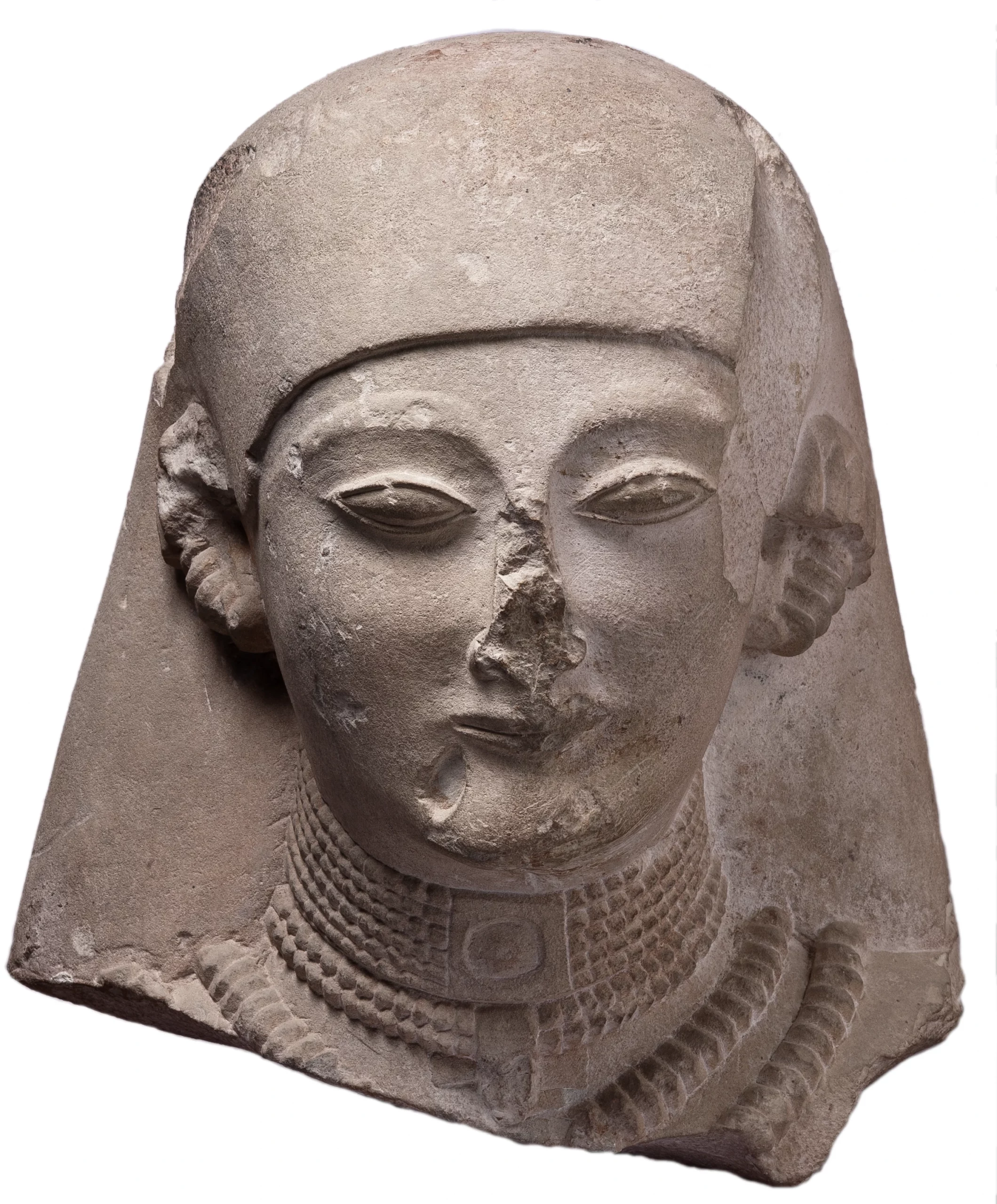
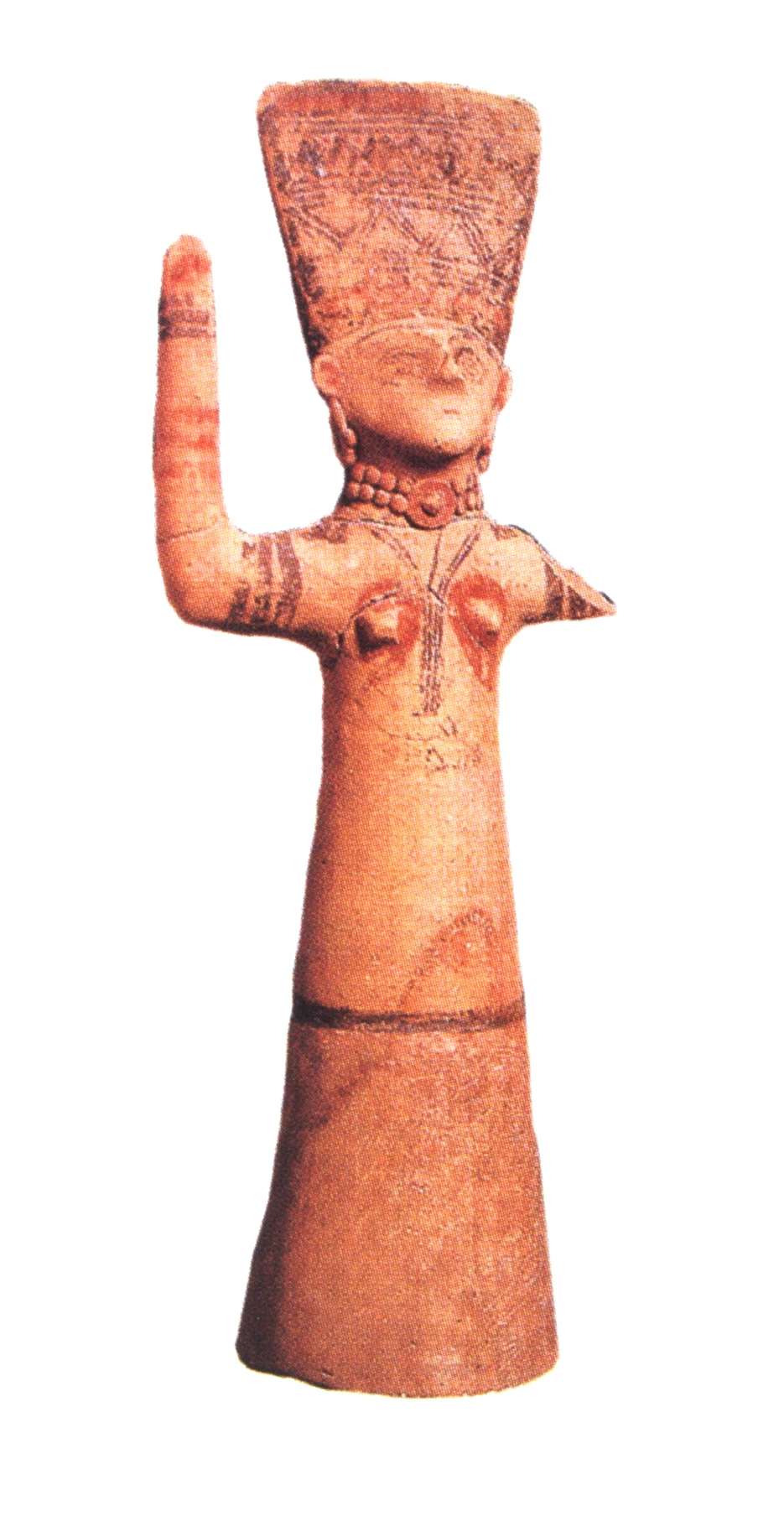
Homer was the first to associate Aphrodite with the Paphian goddess, referring to her as "Kypris Aphrodite". After the 4th century BC, the deity worshipped at Palaepaphos was clearly Aphrodite and her sanctuary subsequently became the most significant and venerated centre of her worship in Cyprus.
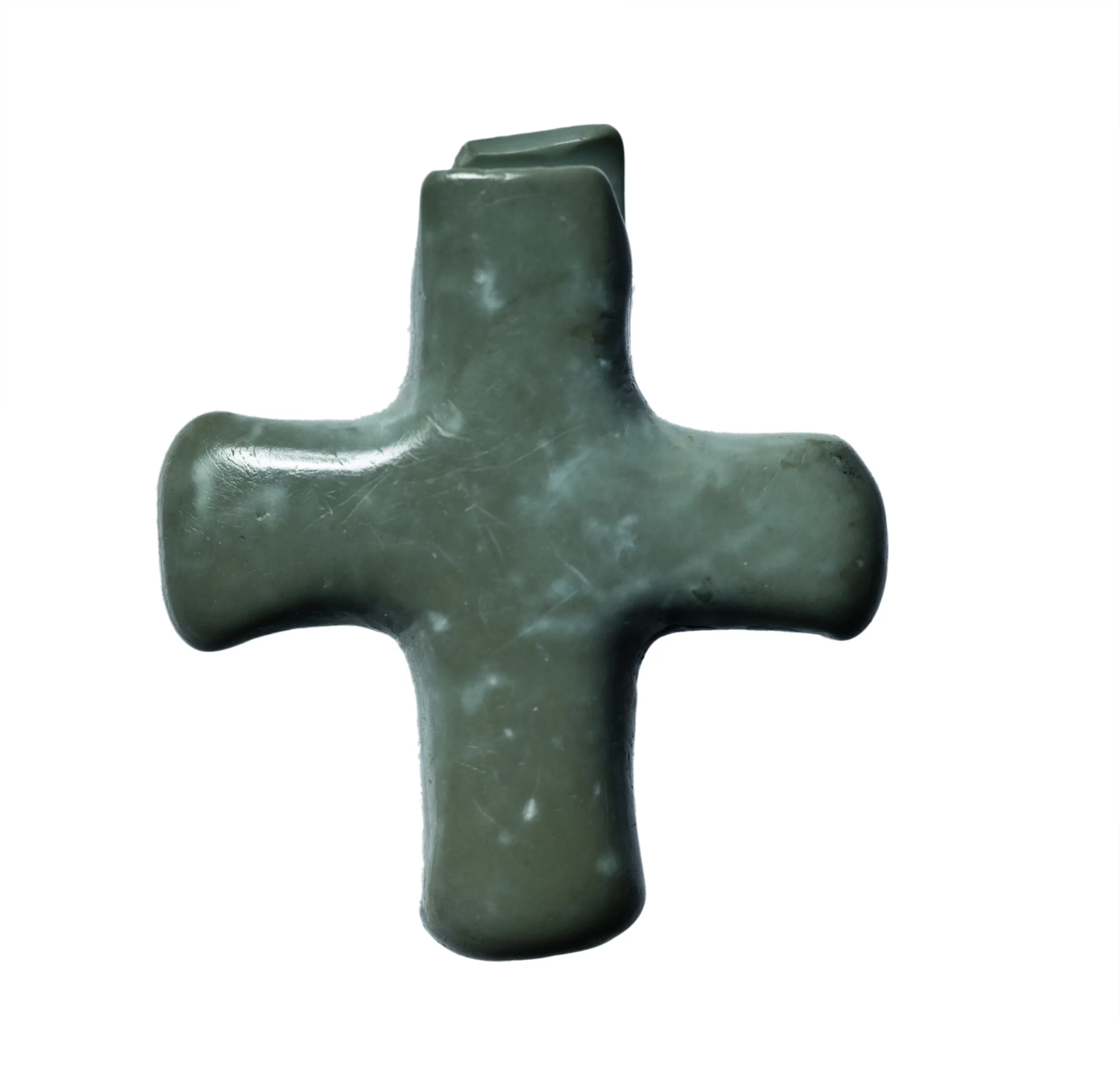
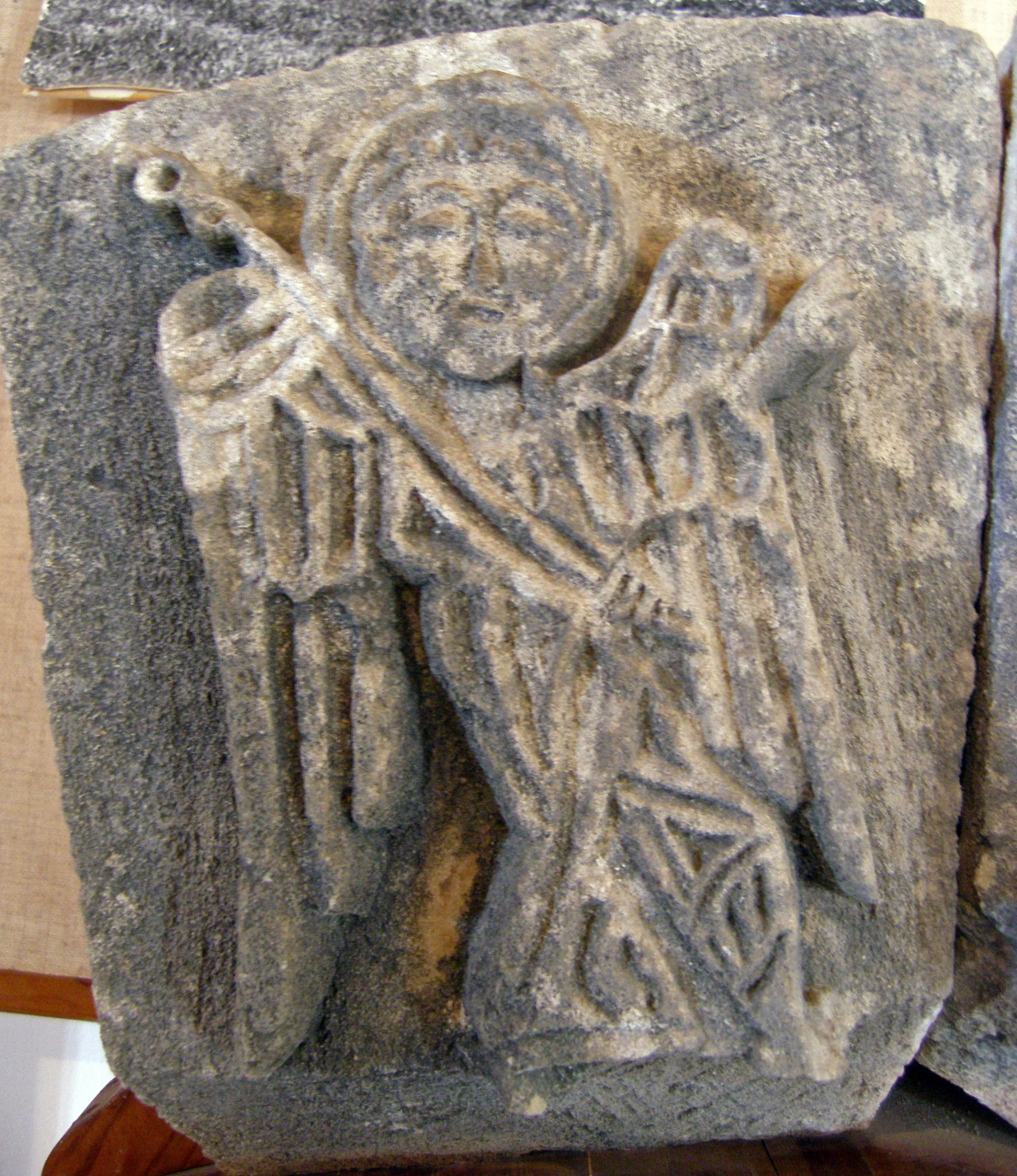
The worship of the goddess at Palaepaphos is often characterized as the longest continuous cult tradition in Cyprus. However, by the 4th century AD, evidence attests to the presence of a Christian community in the area. With Christianity criticizing the worship of the goddess, the spread of the new religion led to the eventual abandonment of the sanctuary.