DESCRIPTION:
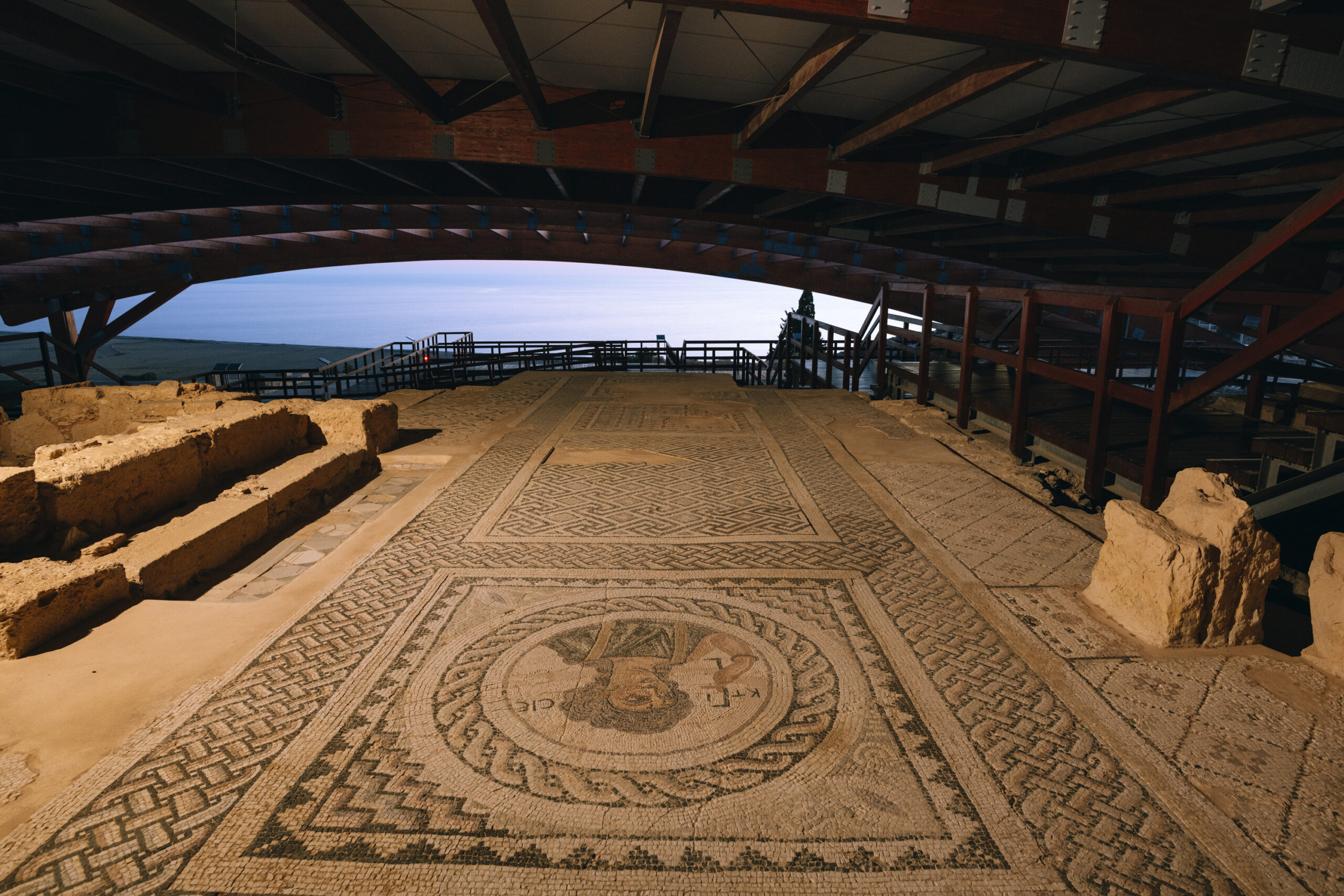
The House of Eustolios is one of the most significant monuments from the transitional period when Christianity began to replace Paganism. This shift is reflected in the mosaic inscriptions adorning the building’s floors. These inscriptions often feature Homeric meter and vocabulary, referencing both Apollo and Christ, alongside allegorical personifications.
The structure was originally built as a private residence before being converted into a public space or a hospitality venue. Its name comes from an inscription that mentions the founder, Eustolios, who "donated baths to the city."
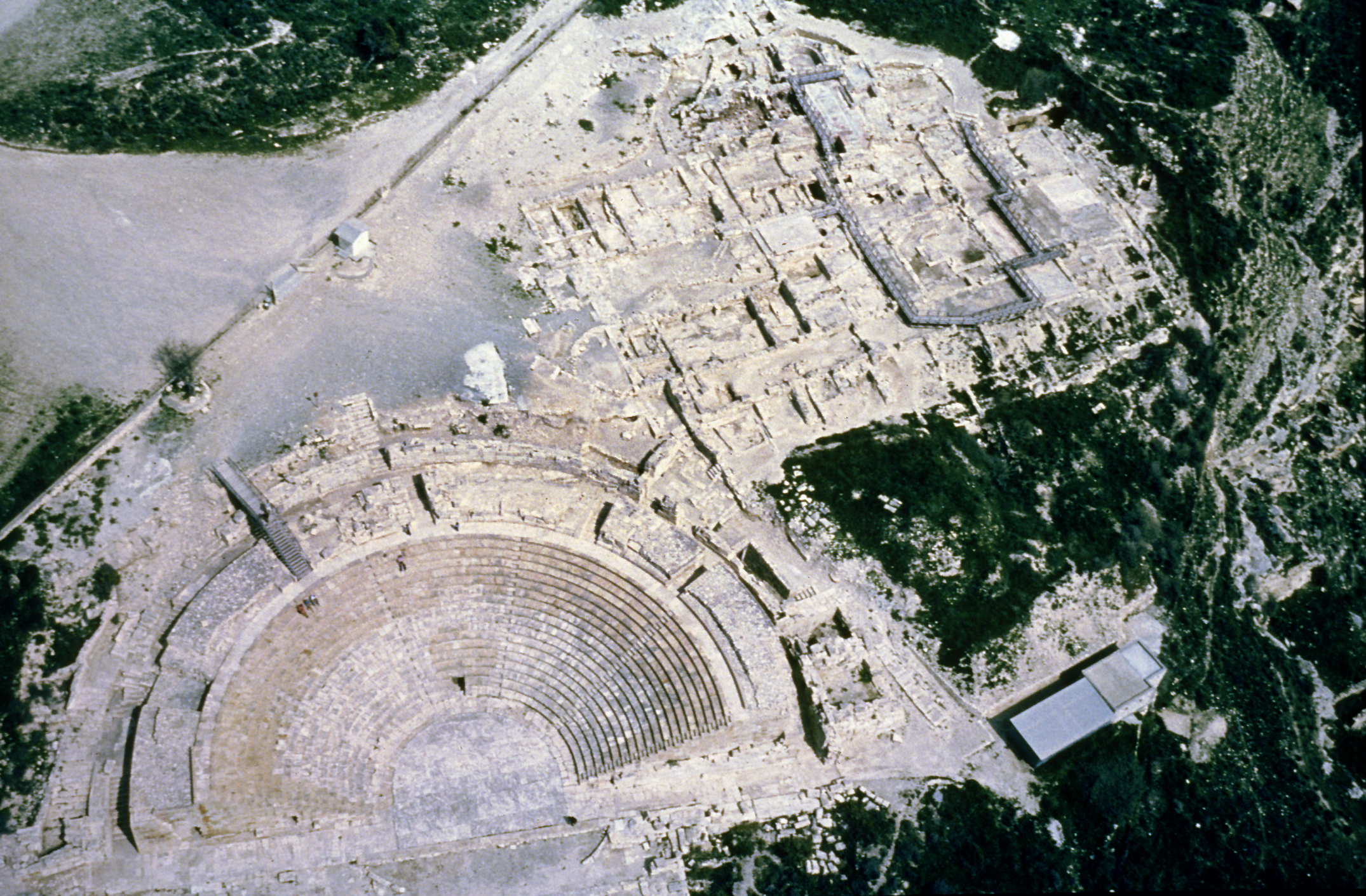
Located at the prominent southeastern edge of Kourion Hill, the complex is constructed on multiple levels. It includes a peristyle courtyard—an open area surrounded by colonnades on all four sides—along with clusters of rooms and a bathing establishment situated to the north, at the highest level.
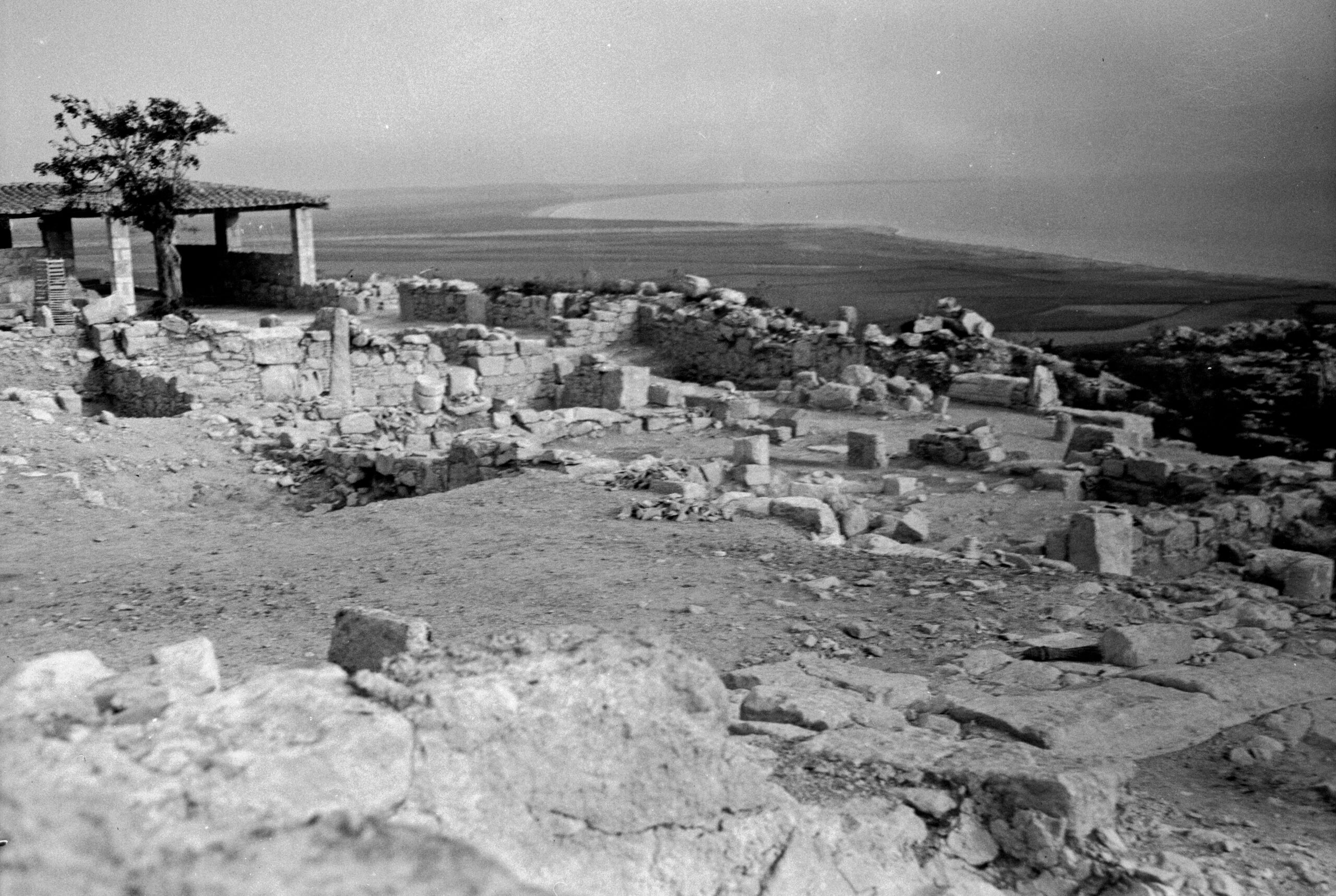
The oldest remains at the site date back to the Late Hellenistic period (150–50 BC). The House of Eustolios underwent various modifications and additions around the middle of the 4th century AD, with its final form and mosaic floors being established during the reign of Theodosius II (around 408–450 AD). Further remodelling may have occurred during the reign of Emperor Leo I (around 457–474 AD). The building continued to function as a hospitality space until the second half of the 7th century when Kourion began to be gradually abandoned by its inhabitants.