DESCRIPTION:
The public baths (thermae) were extensive public facilities that met citizens' daily needs for bathing and body care during the Roman period. Baths served also as places for relaxation, exercise, and social interaction. They consisted of spaces and rooms with different functions and temperatures. Visiting the baths was one of the main habits in the daily life of people in a Roman city, regardless of their social status.
The main areas of the baths were as follows:
Αpodyterium (changing rooms): Space for changing clothes.
Palaestra (cold bath): An open or enclosed area for exercise and sports. Bath visitors could work out before bathing.
Frigidarium (cold bath): Typically, the first or last stop for the bather, used to cool the body after the warm baths.
Tepidarium (lukewarm bath with mild heating): The water here was lukewarm, serving as a preparation area before the hot bath.
Caldarium (hot bath with warm water and steam): The warmest part of the complex, used for steam baths and sweating.
Sudatorium (sweating room): these rooms featured hot and dry air for sweating.
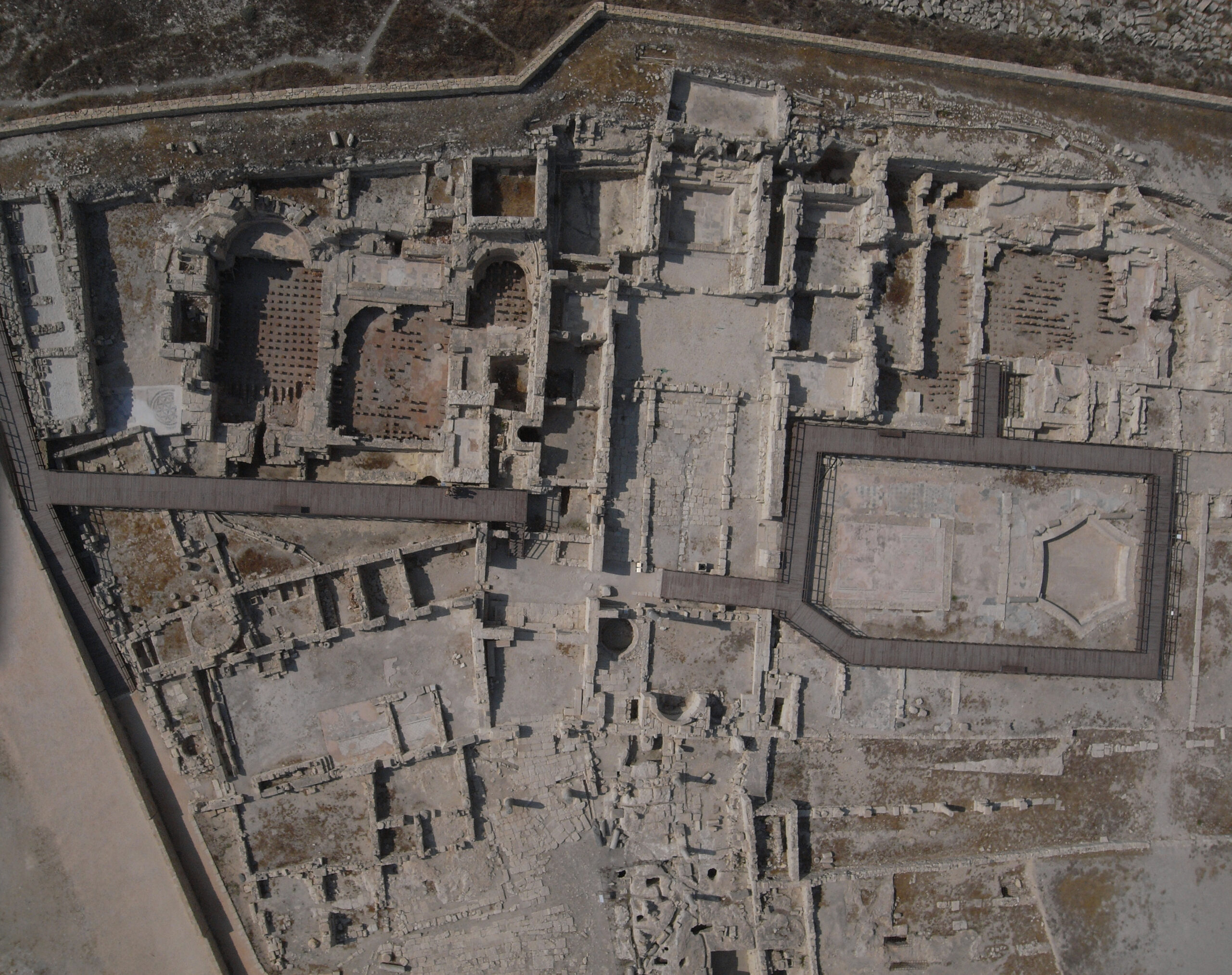
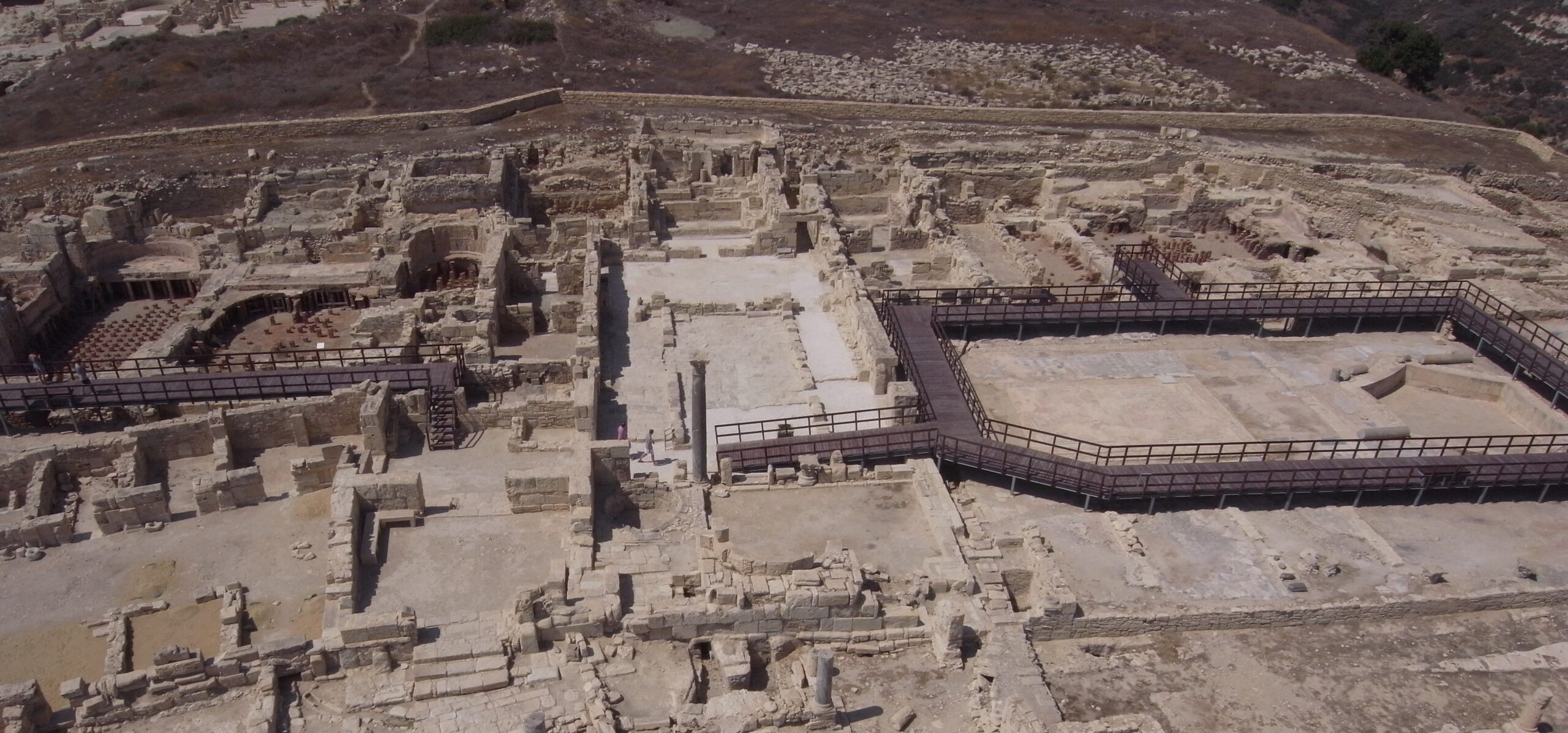
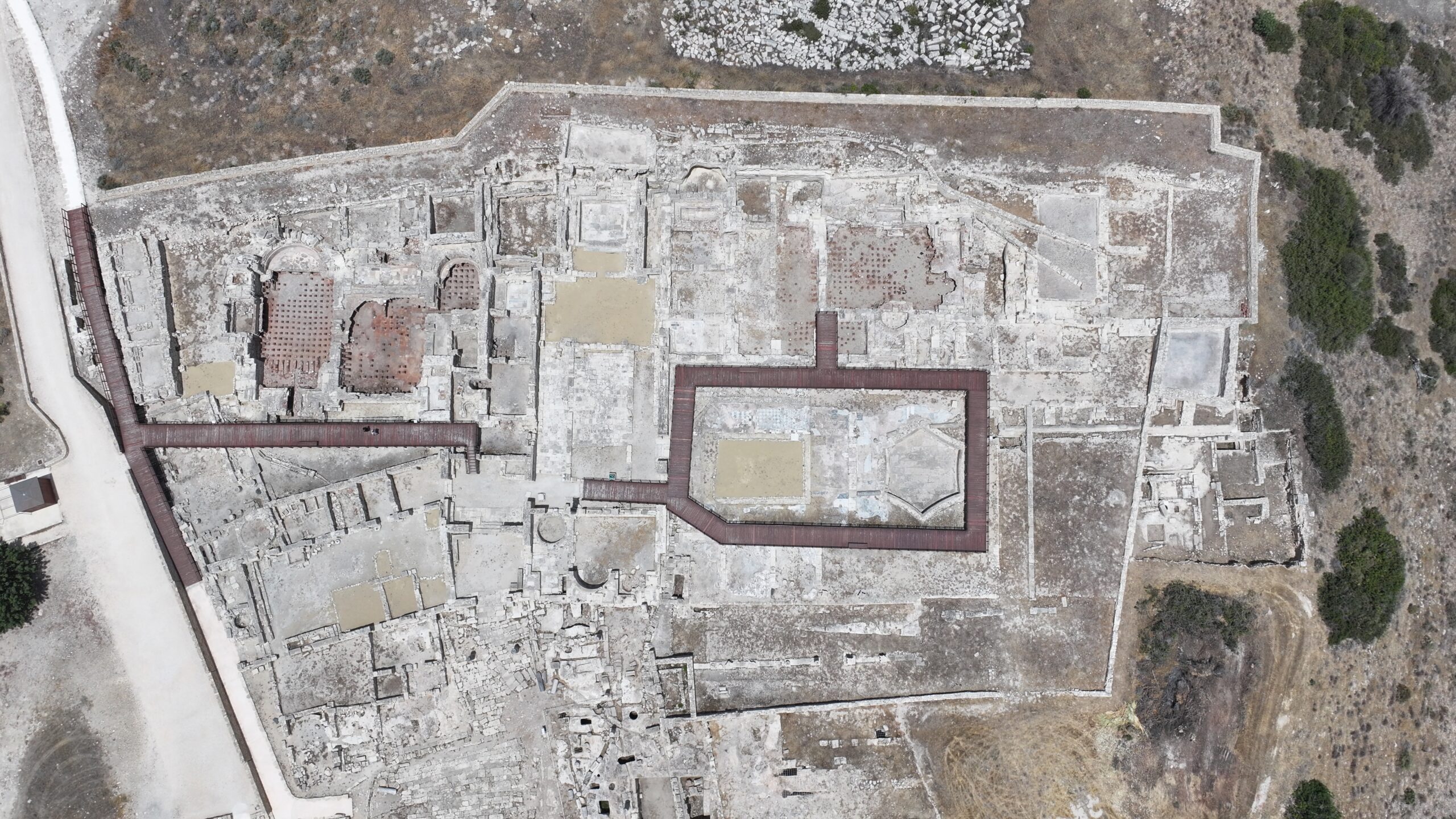
The baths featured an advanced heating system known as the hypocaust. This design included a specially constructed space beneath the floor that warmed both the floor and walls with hot air. The system was fuelled by a furnace called the praefurnium, which directed smoke into the area under the elevated floors, supported by small columns known as pilae. Hot air then circulated through channels in the walls, effectively heating the rooms above the floors.
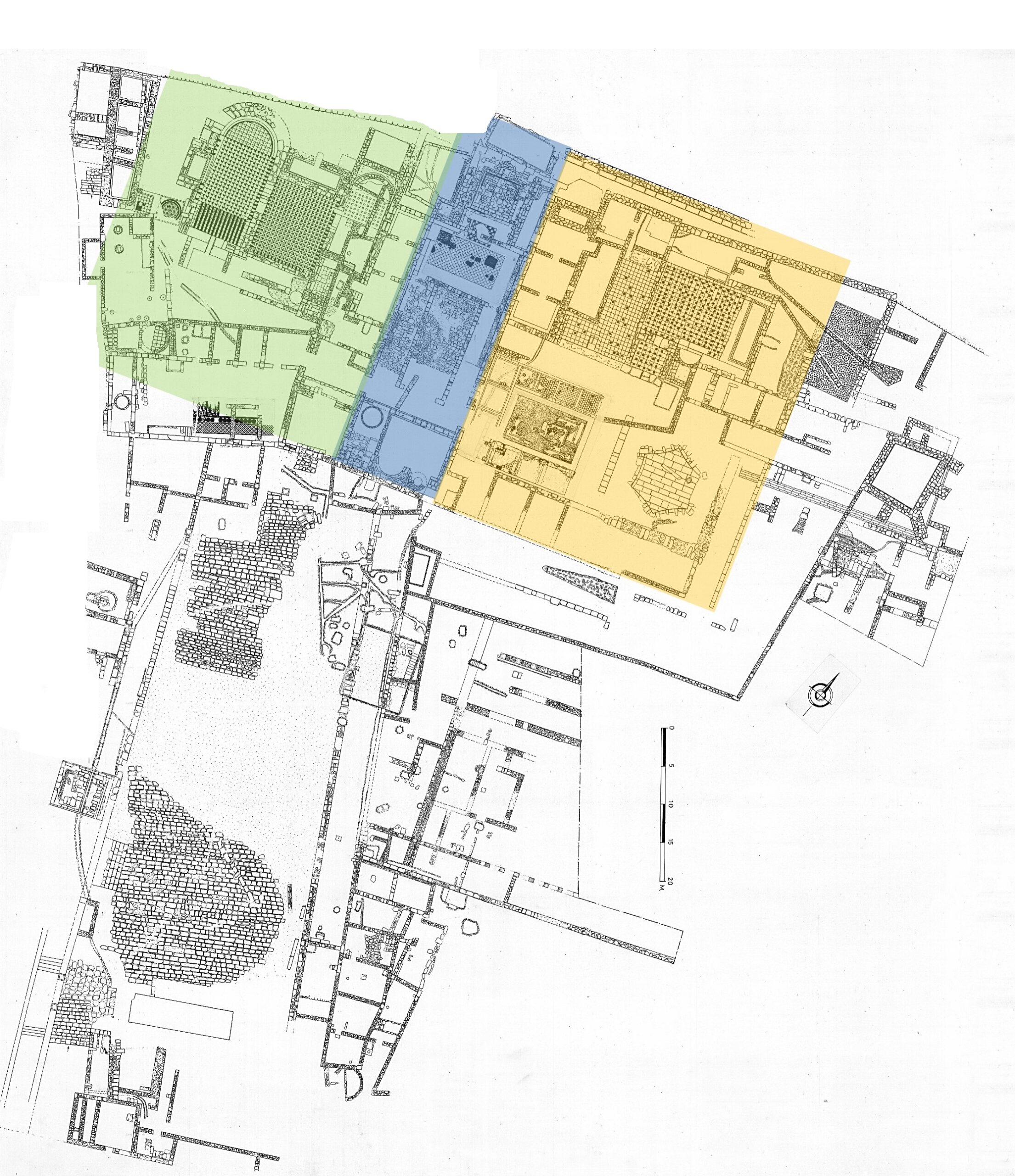
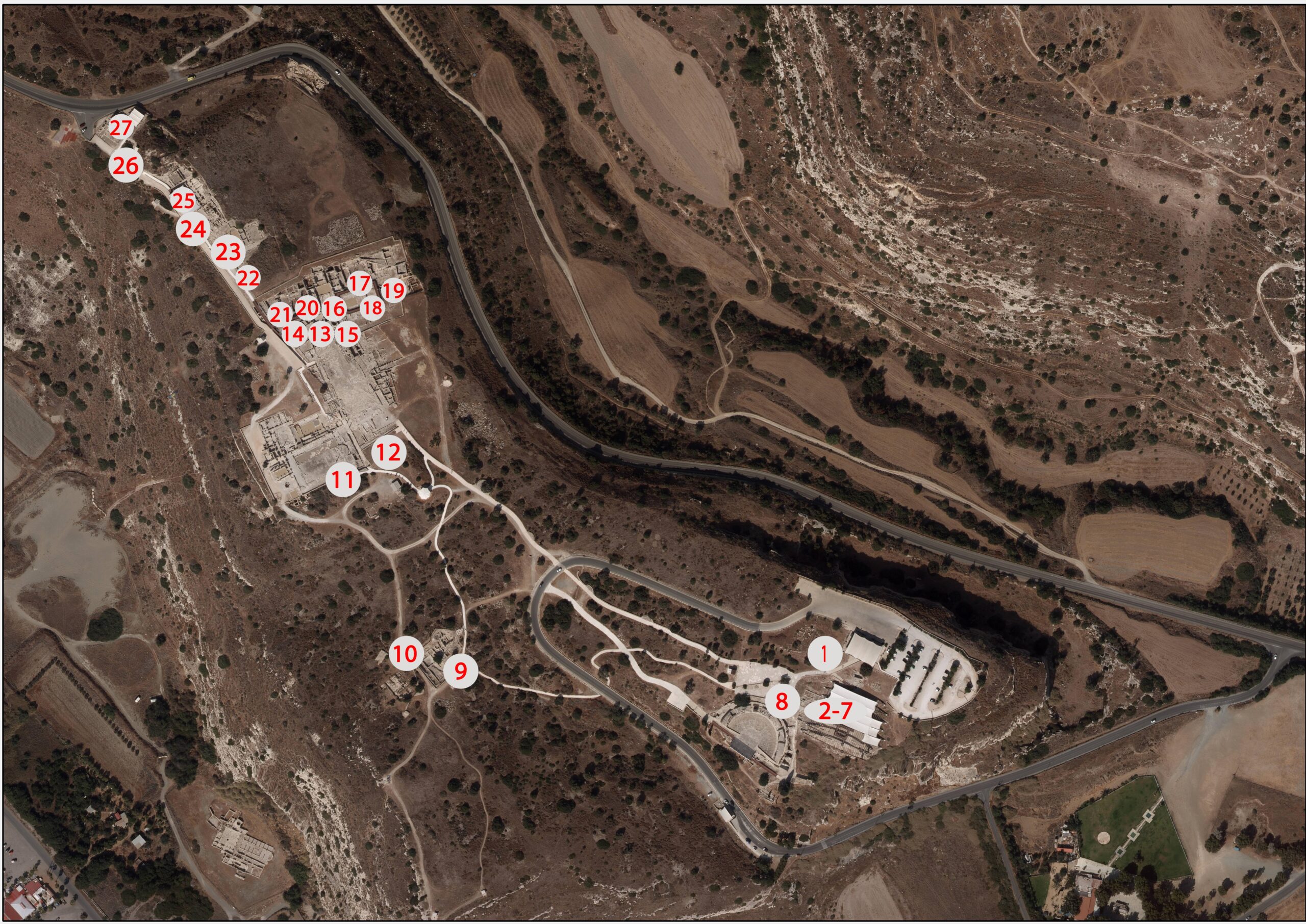
The architectural remains of the public baths in Kourion cover an area of approximately 4,200 square meters and represent the most extensive Roman bath complex in Cyprus. This impressive facility is divided into two large structural units: the eastern and the western baths, separated by the so-called Nymphaeum.
The entrance to the baths was located to the south, adjacent to the Agora (Forum), where a set of rooms likely functioned as changing areas. The symmetrical design of the large public baths in Kourion allowed for easy access and movement within the bathing halls and organized outdoor spaces. Given their capacity, it is likely that the baths could accommodate both men and women at the same time, each in separate sections.