DESCRIPTION:
VEGETATION COVER
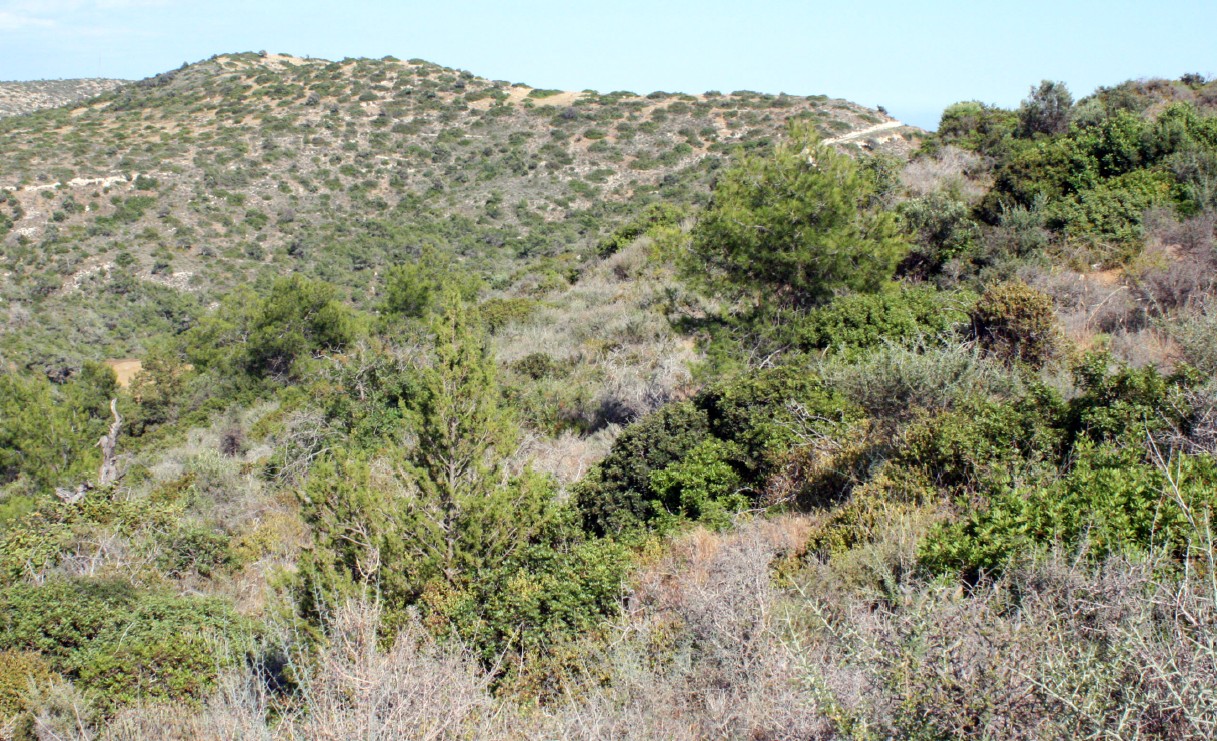
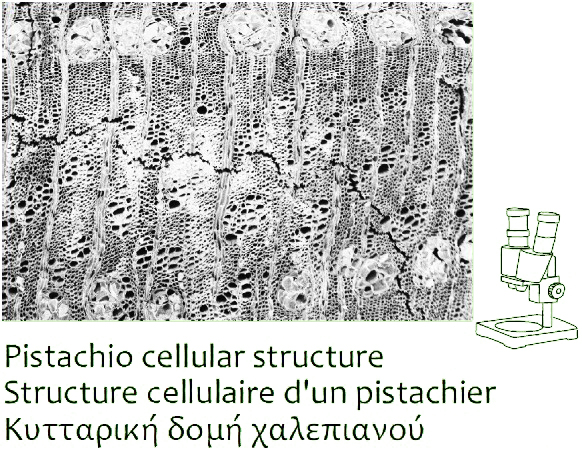
Small pieces of charcoal are plentiful in the archaeological layers. Most often they result from the use of wood as a fuel for domestic activities such as heating, cooking and lighting. The identification of each species allows to know what types of wood the villagers were collecting and therefore what the vegetation around the village looked like around 8000 years ago.
All the tree and shrub species used at that time still grow in Cyprus today: oaks, both evergreen and deciduous, formed more or less open woodlands with olive, fig, pistachio and almond trees.
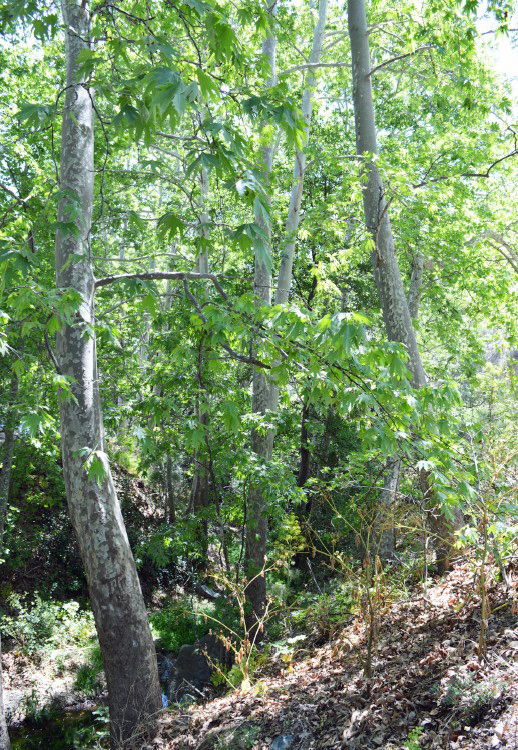
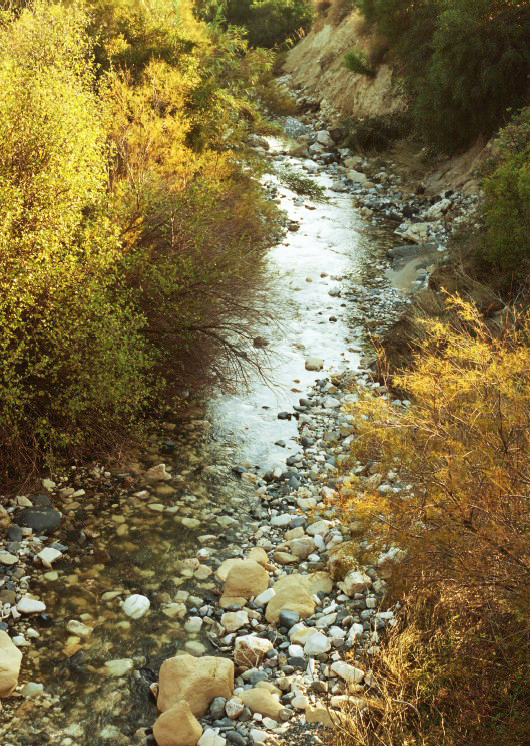
The villagers also collected wood from the gallery forest along the river, where hydrophilous (water-loving) species such as poplar, willow, ash, and plane were growing.
During the occupation of the village, the proportion of woodland species decreased while pine and juniper became more common, reflecting less wooded landscapes. The regression of the original vegetation cover is most probably reinforced by increasingly arid climatic conditions.
THE VILLAGE AND THE SEA
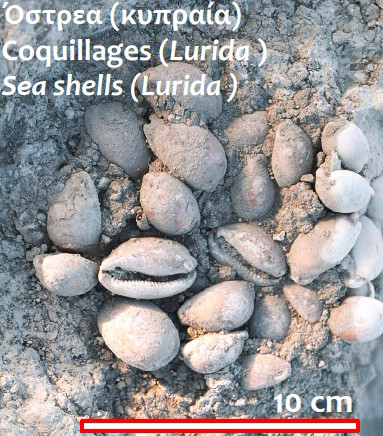
As the village is far from the coast, seafood played a limited role in the diet. Only middle-sized fish of four species (grouper, sea bream, mullet, and bass) were brought to the village. A great variety of molluscs was also collected, some shells being used as ornaments.
BIRDS OF NEIGHBORHOOD
Bones from 14 bird species have been collected in the village, most probably resulting of hunting. Almost all of them are still present in Cyprus, either during their breeding or wintering seasons, or in the course of their migrations. One of them only, the Lesser Kestrel, which was formerly nesting in the village, seems to have disappeared since the last century.
THE RIVER
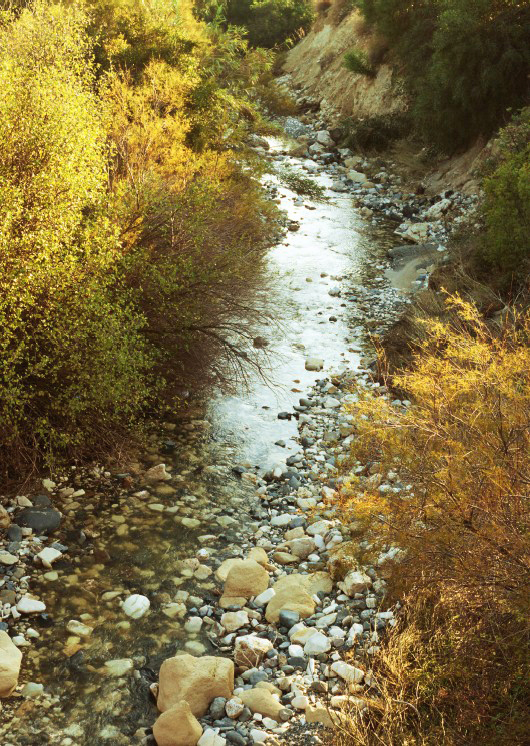
According to excavations at the foot of the hill and geomorphological investigations, the course of the river was different from today and showed frequent shifts due to climate instability during the early occupation of the village. The river provided water, stones, and reeds.