DESCRIPTION:
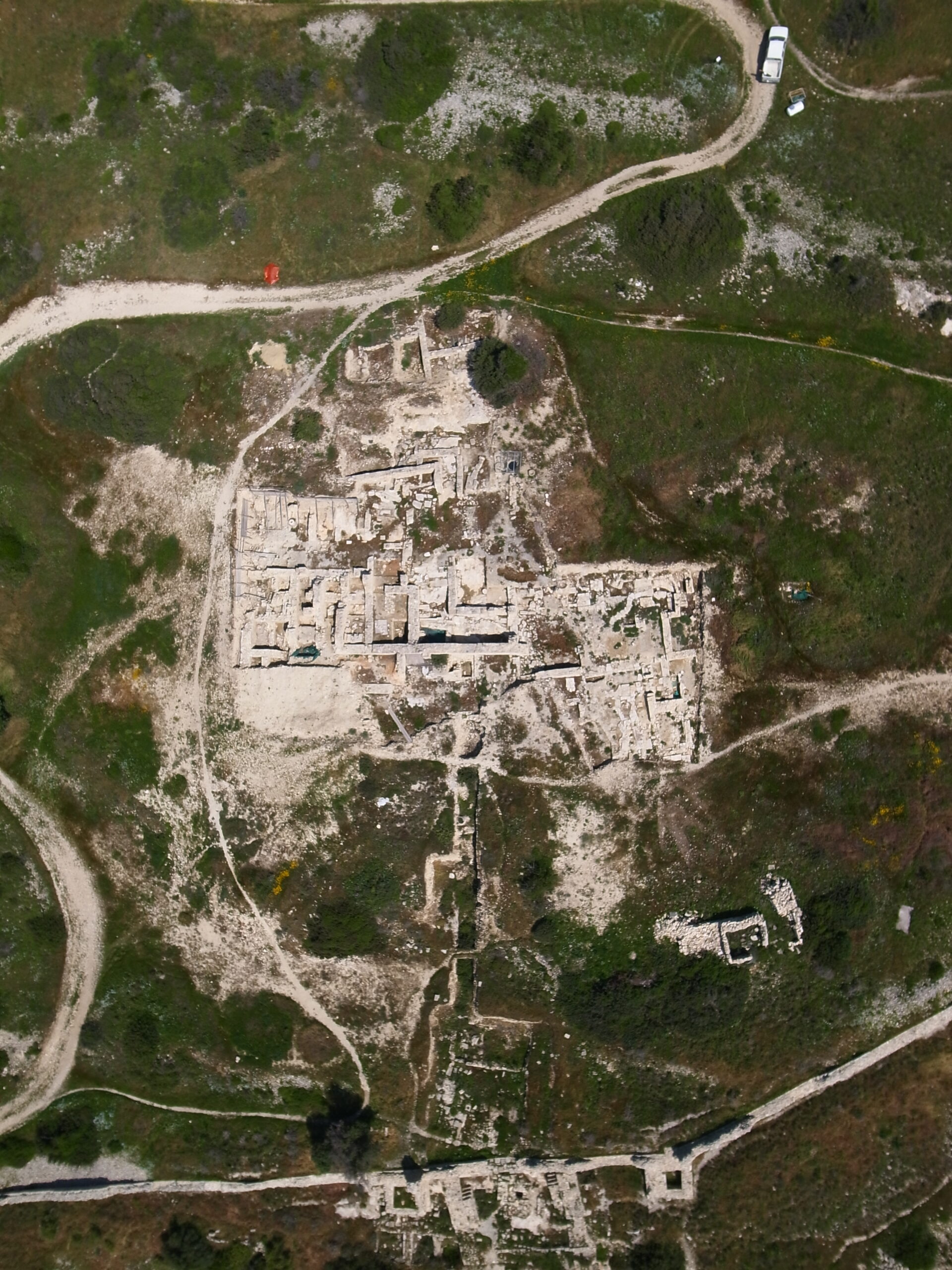
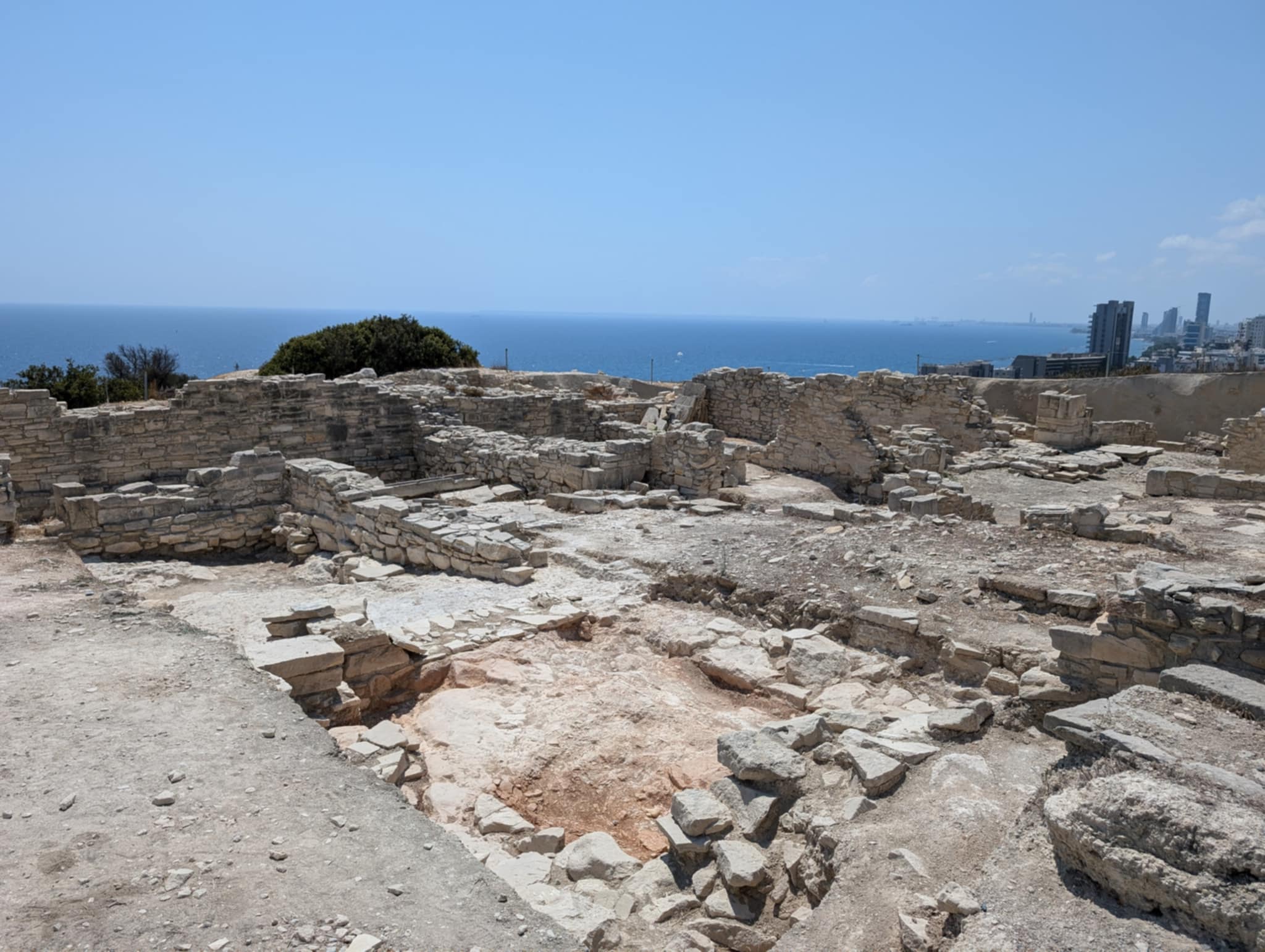
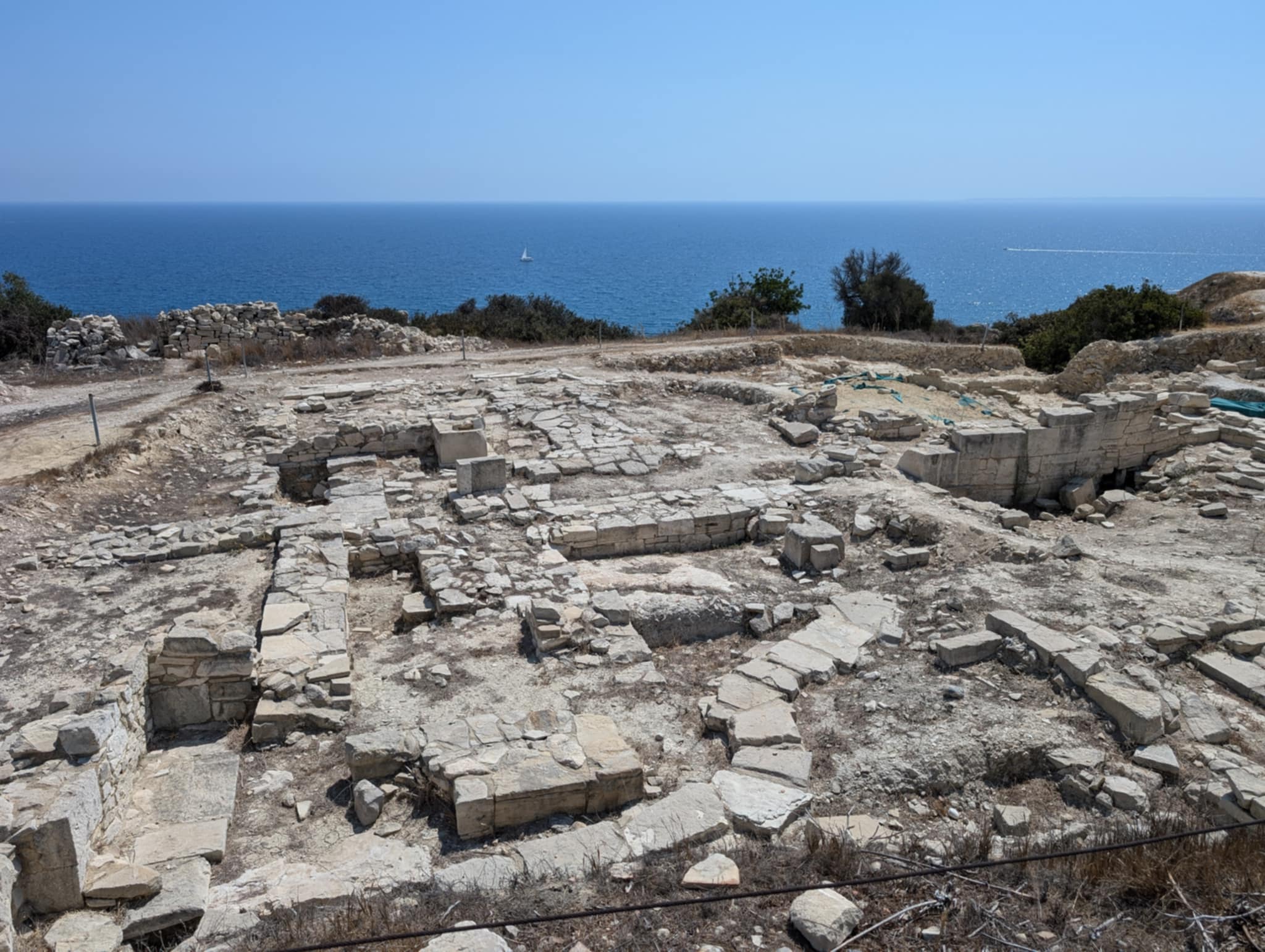
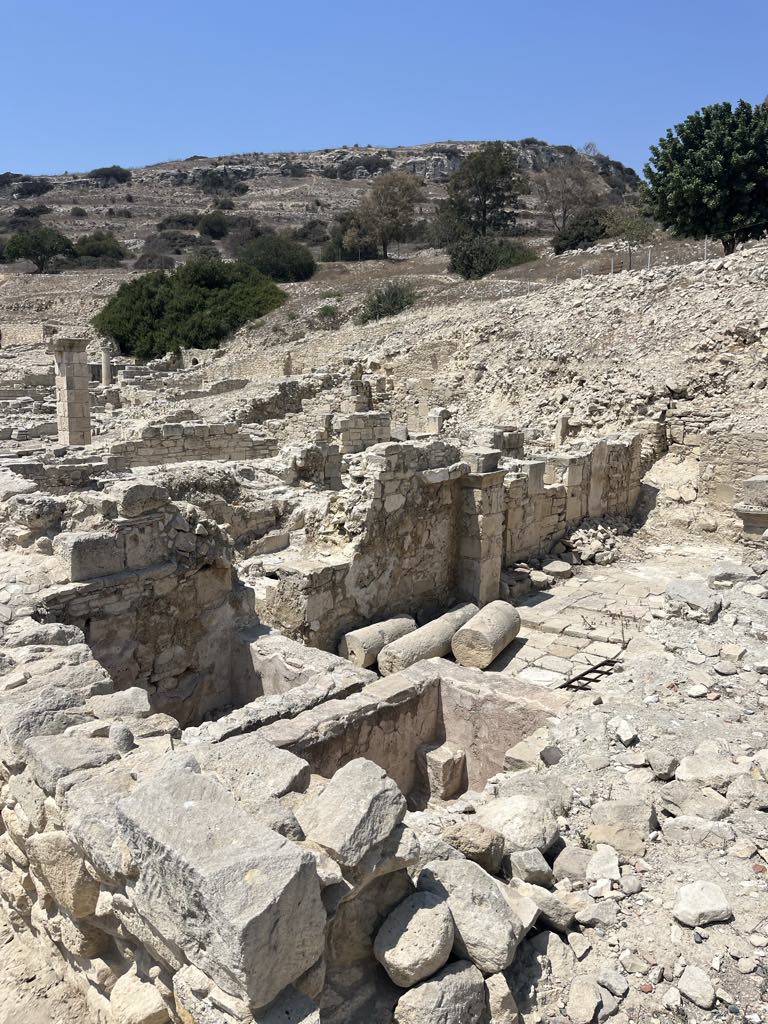
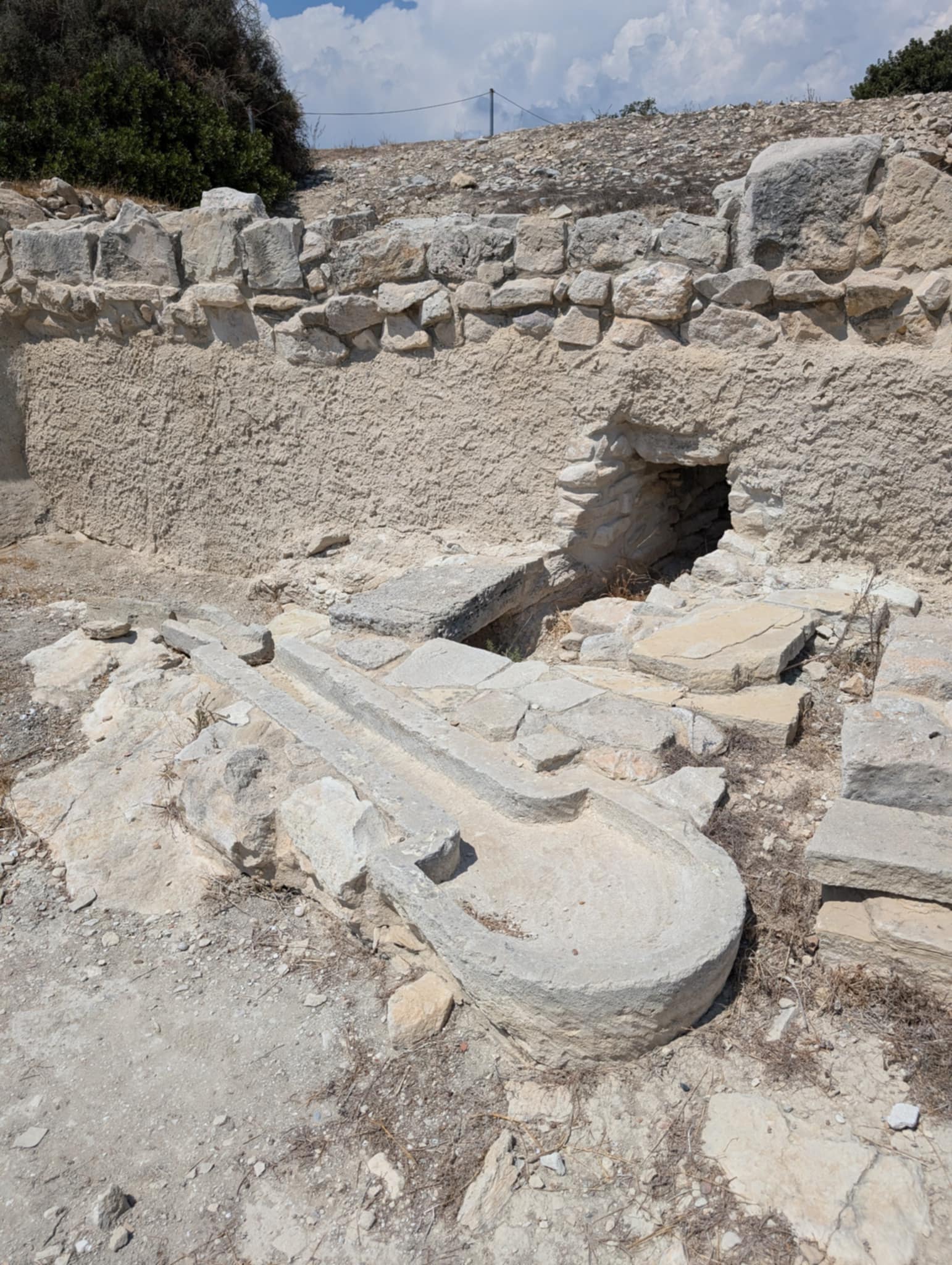
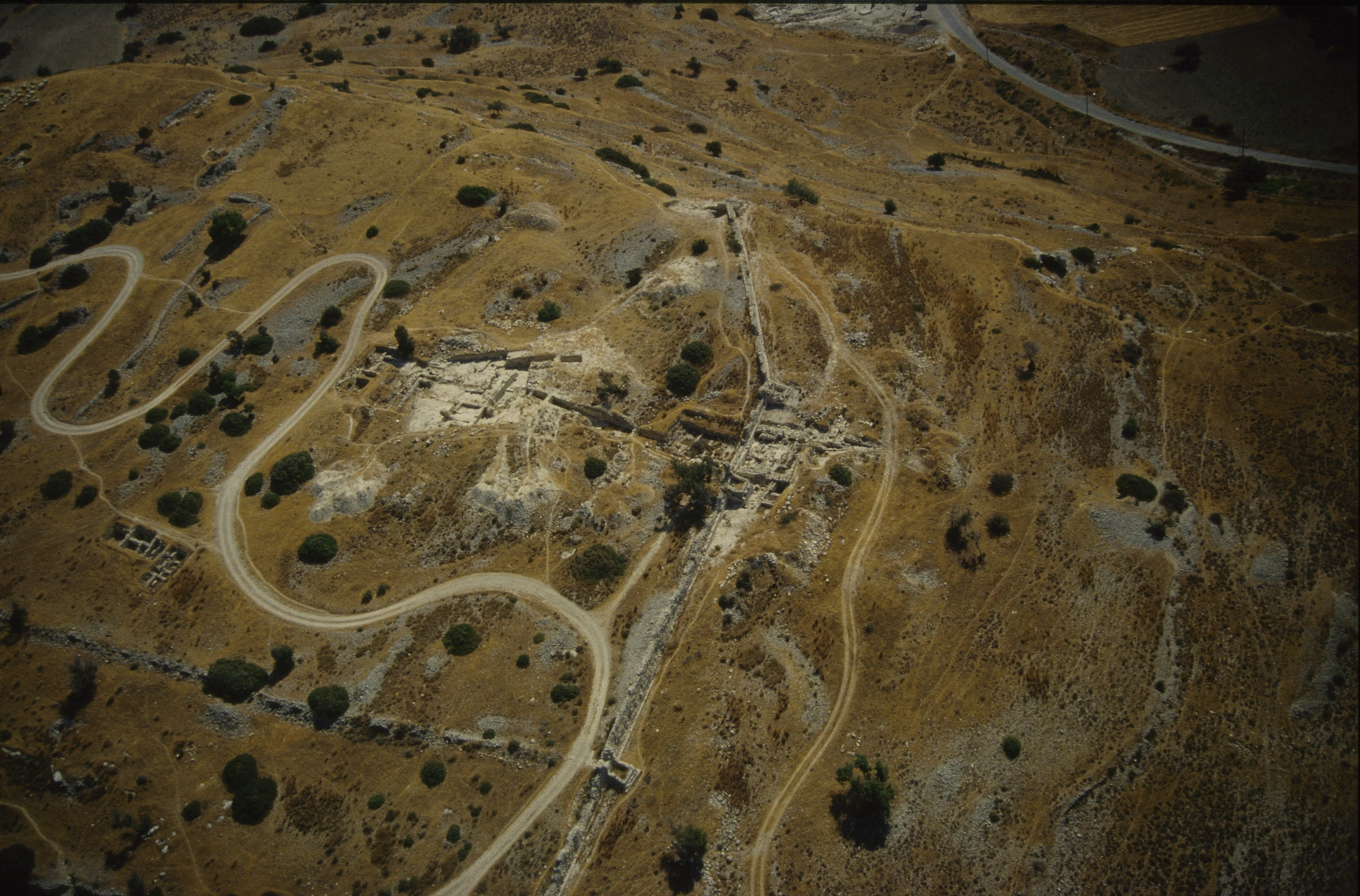
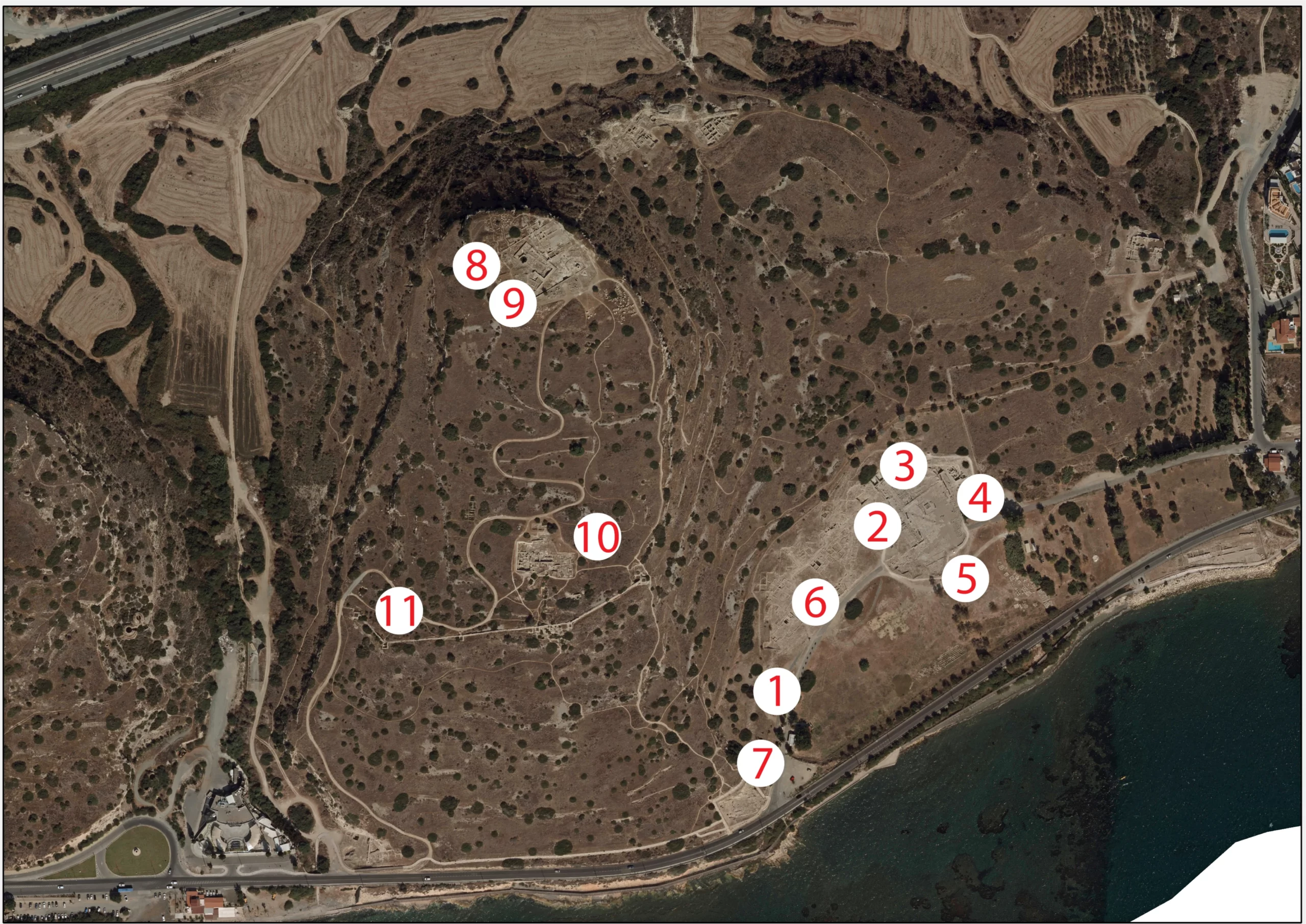
The city of Amathous was built around an acropolis, on top of which stood the sanctuary of Aphrodite. On the slope just below the sanctuary, in a strategic location, excavations revealed the city’s administrative centre, known in bibliography as “the palace”. This complex is characterized by multiple phases and modifications, both in construction as in use.
Its first architectural phase is dated in the 9th century BC. In the 6th century BC, another building was constructed in the same area. During the years 498–497 BC, Onesilos besieged Amathous. Shortly after, the palace was remodelled and entered its most monumental phase, remaining almost unchanged until the end of the 4th century BC, when it was destroyed after the reign of city’s last king, Androkles. In the 3rd century BC, the palace’s storerooms were reused, and some rooms were converted into workshops.
The history of the palace is as rich as the artifacts uncovered during excavations in its rooms and storage areas. Offerings, clay and stone figurines, gold jewellery, large quantities of pottery, fine ceramics imported from Greece, loom weights, and many other significant finds such as clay sealings were discovered. In the rooms identified as storerooms, numerous storage vessels, or pithoi, used for holding wine, oil, and cereals, were found. Traces of metallurgy were also discovered, including copper slags and fragments of crucibles.