DESCRIPTION:
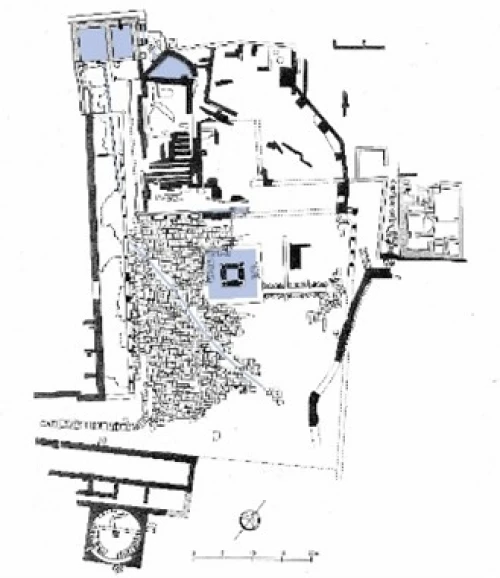
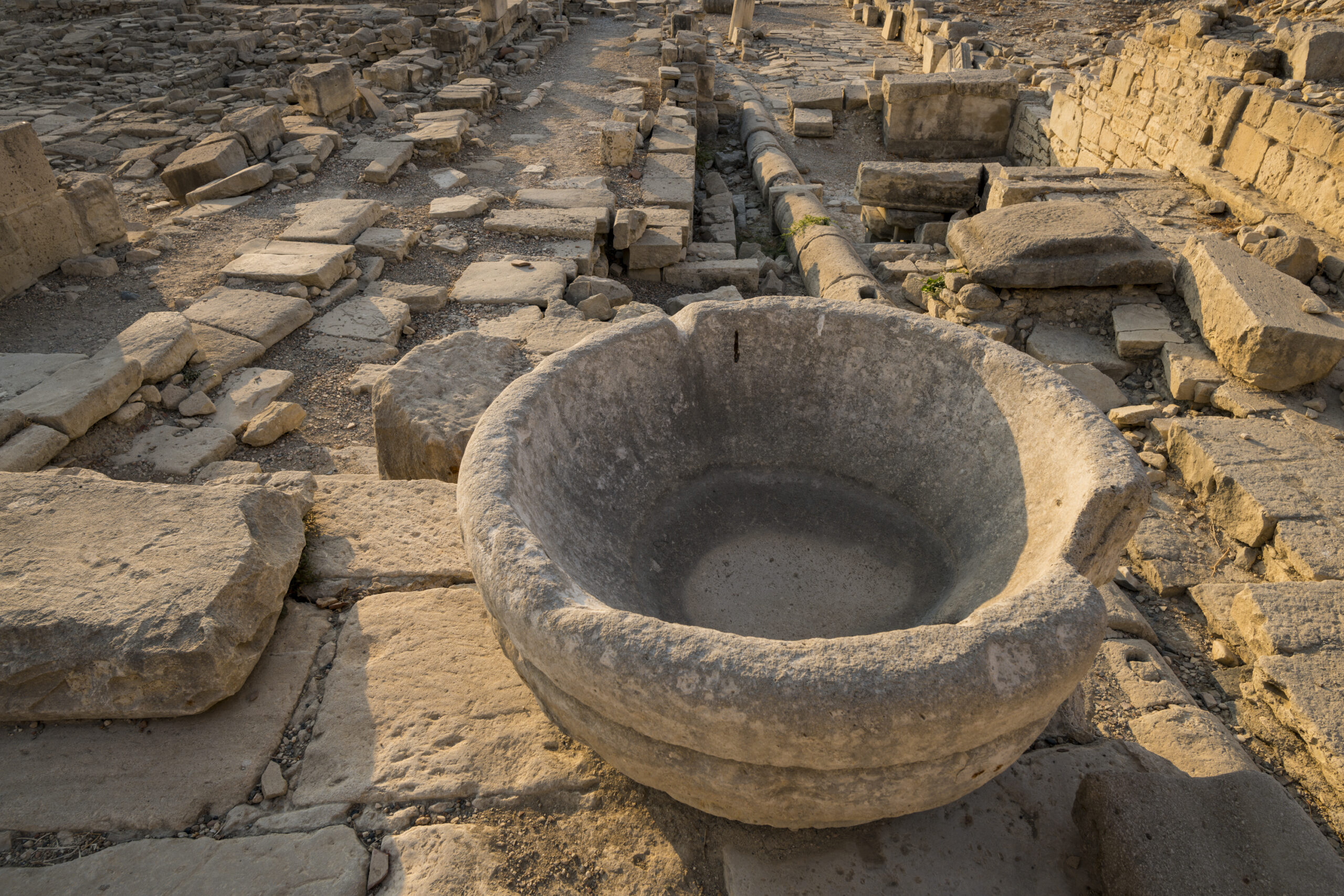
Water played a pivotal role in the agora of Amathous. Based on the archaeological evidence, a significant part of the hydraulic program was undertaken during the reign of the Roman Emperor Hadrian (117-138 AD).
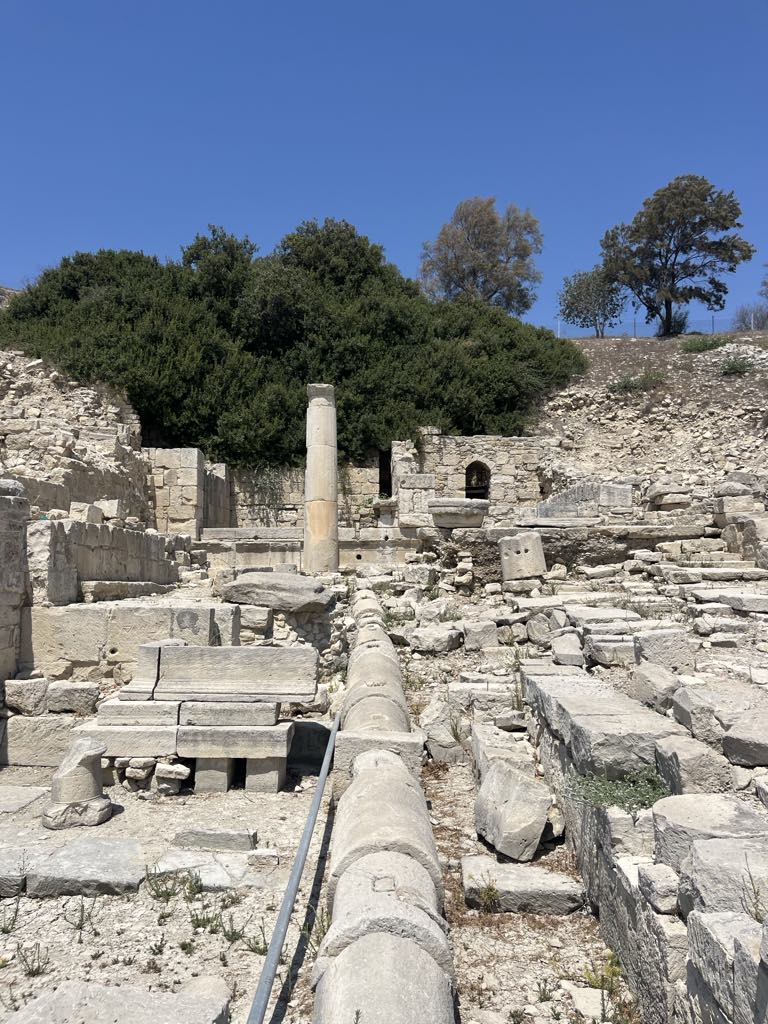
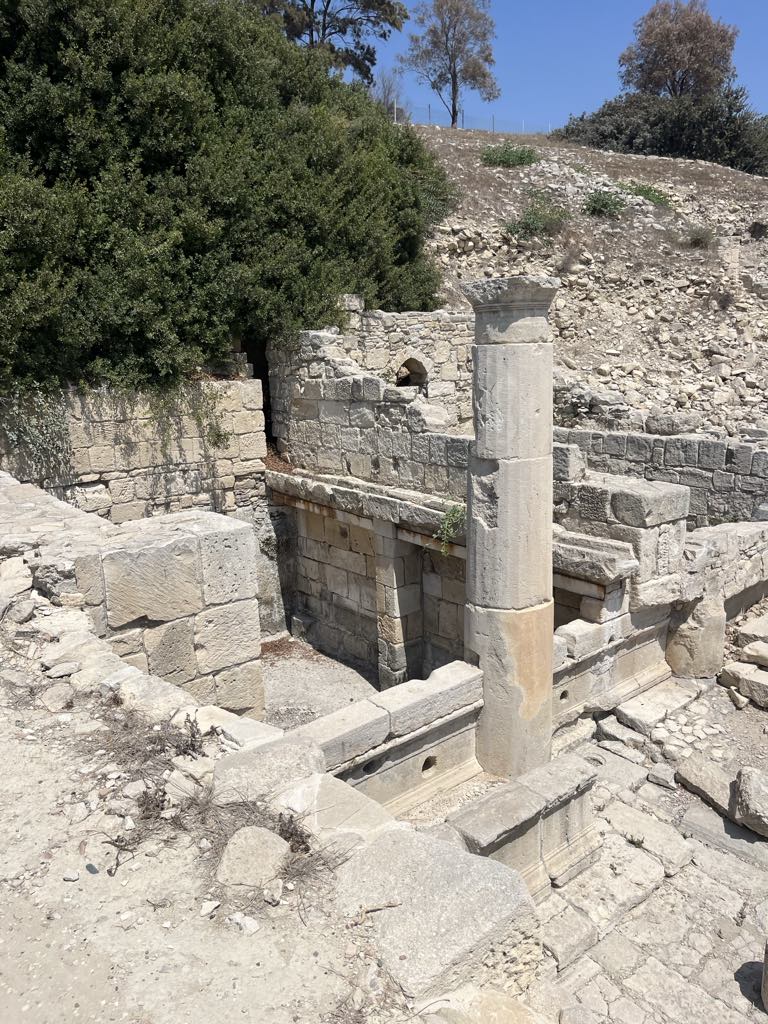
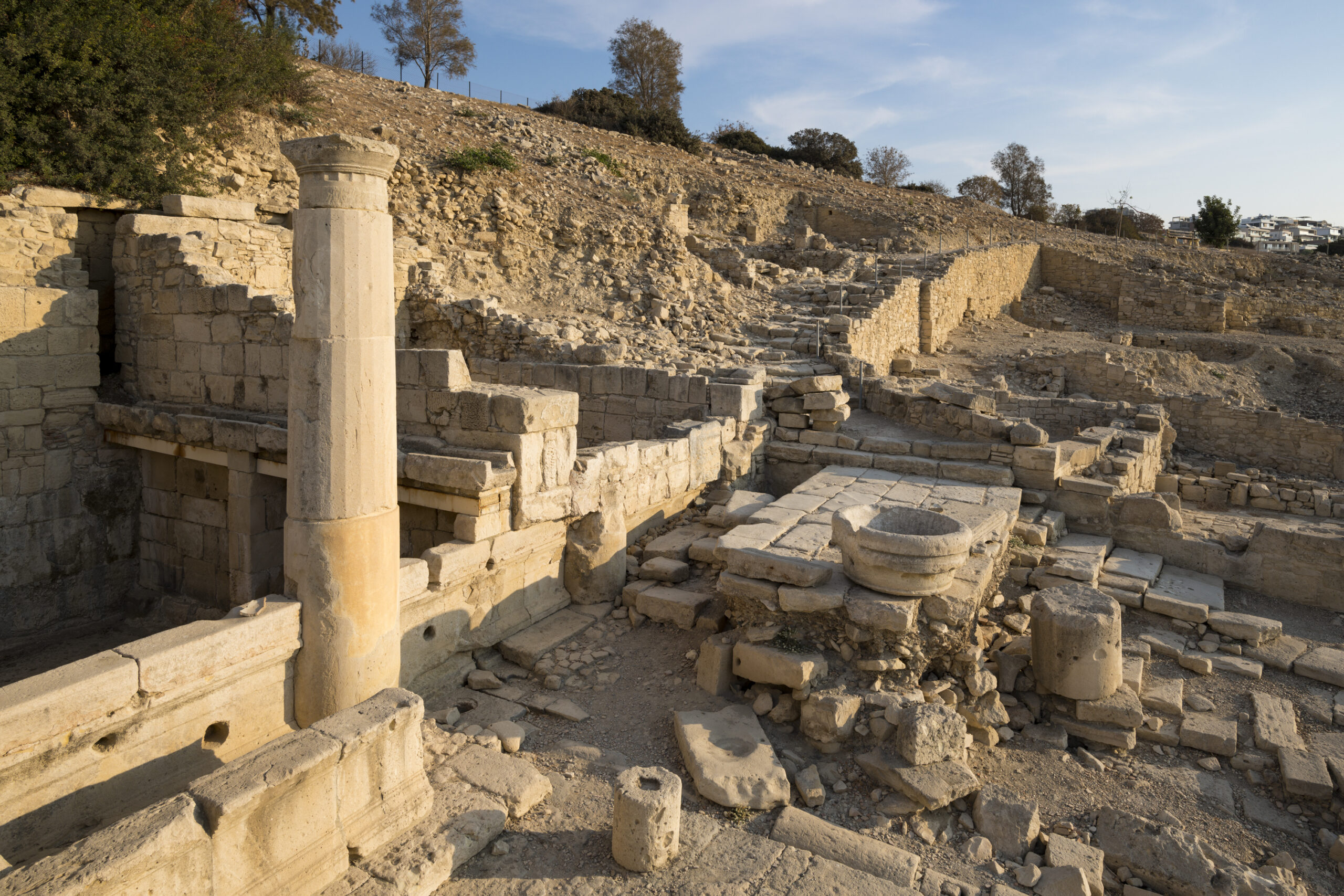
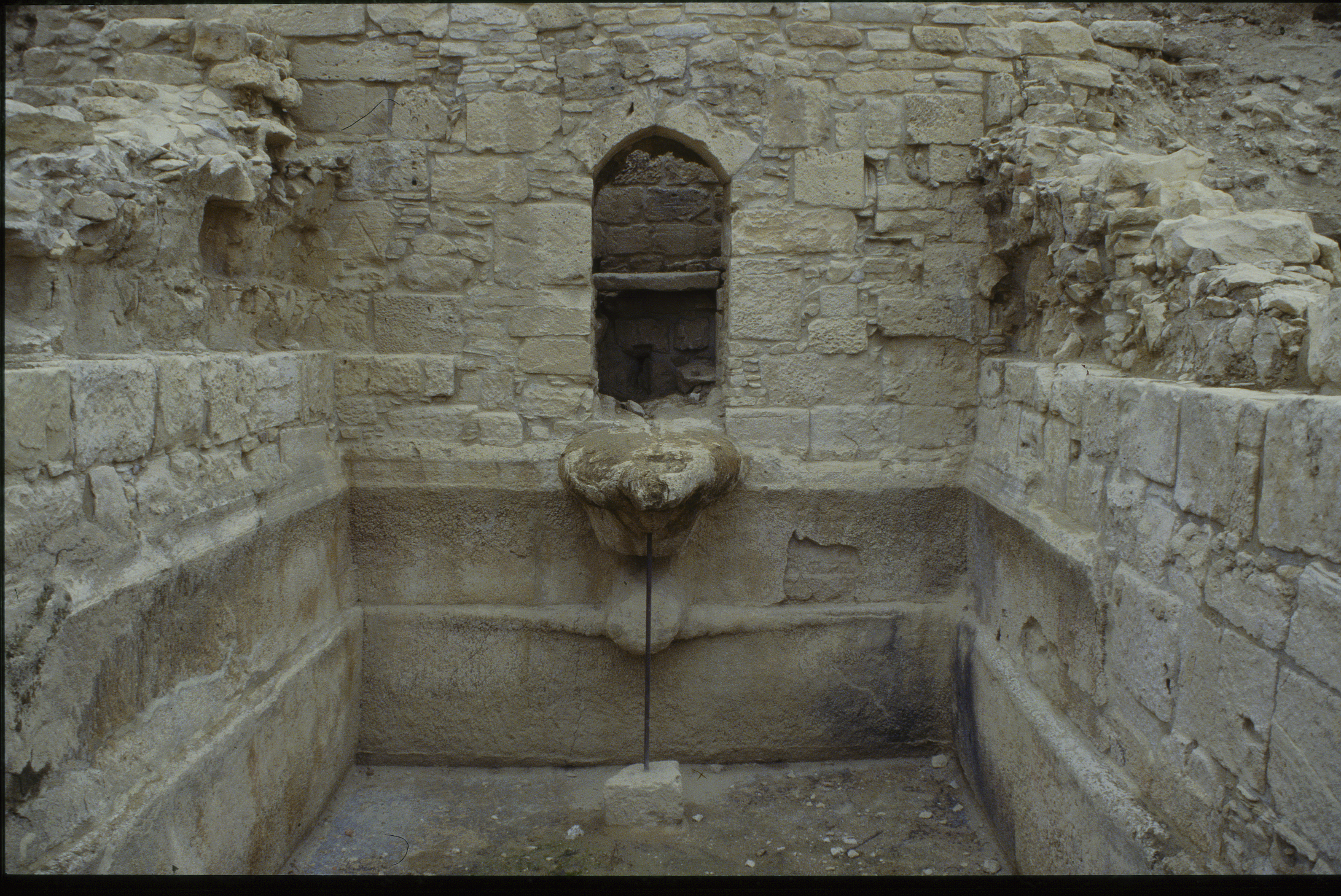
An important part of the water supply to the agora was a cistern (or nymphaeum) at the north of the agora, the facade of which was decorated with two columns. The cistern was supplied with water from a natural spring, and conduits then transferred water to various parts of the agora, such as the Roman baths and the fountain at the centre of the paved courtyard. At a later time, the cistern was divided in half. The western part was no longer used, while the eastern part became vaulted and continued to be used. Water flowed in a fountain through an oval niche, on which a statue was probably placed.
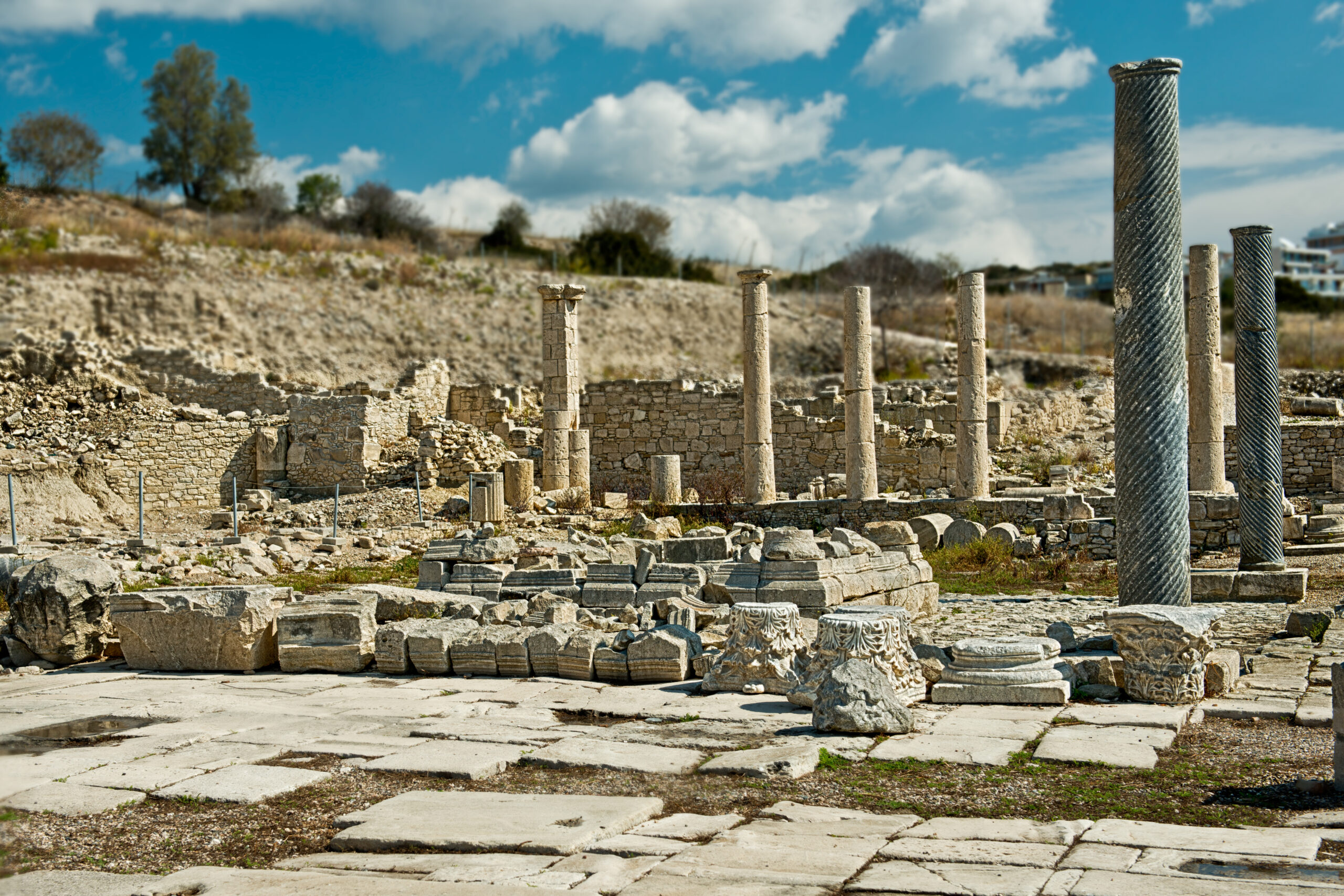
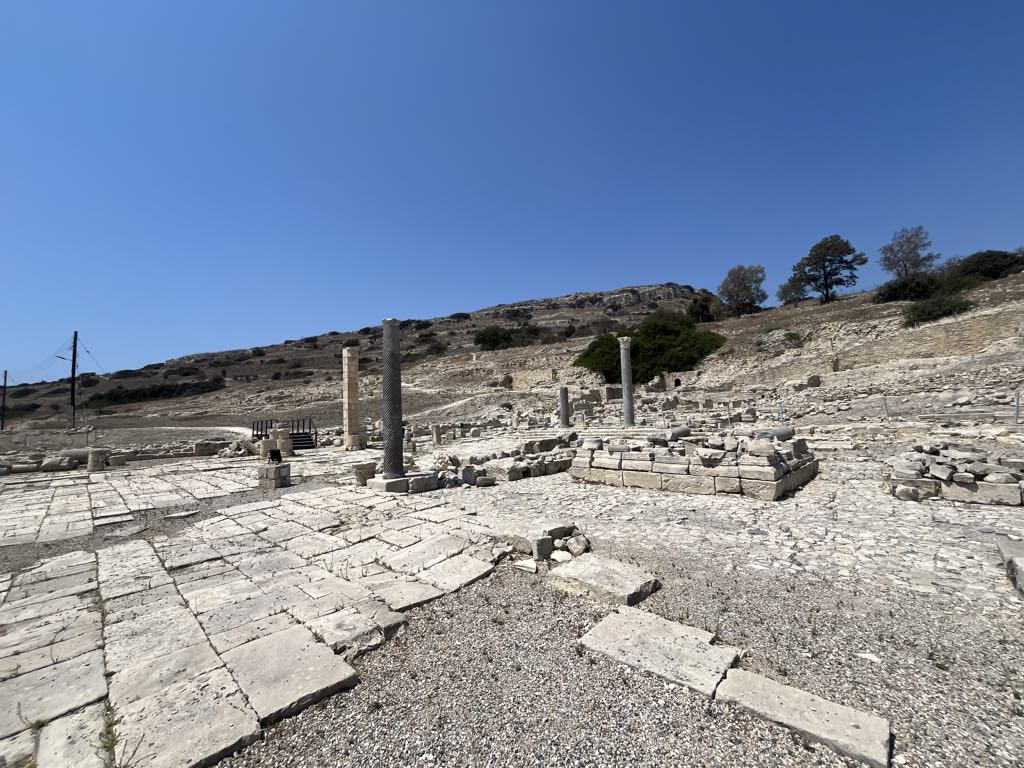
Another important part of the water program is the rare 2nd century AD fountain at the centre of the agora. The fountain was covered by a vault supported by dark-coloured, spirally fluted columns and white marble capitals. Two of the columns are now restored in the centre of the agora.
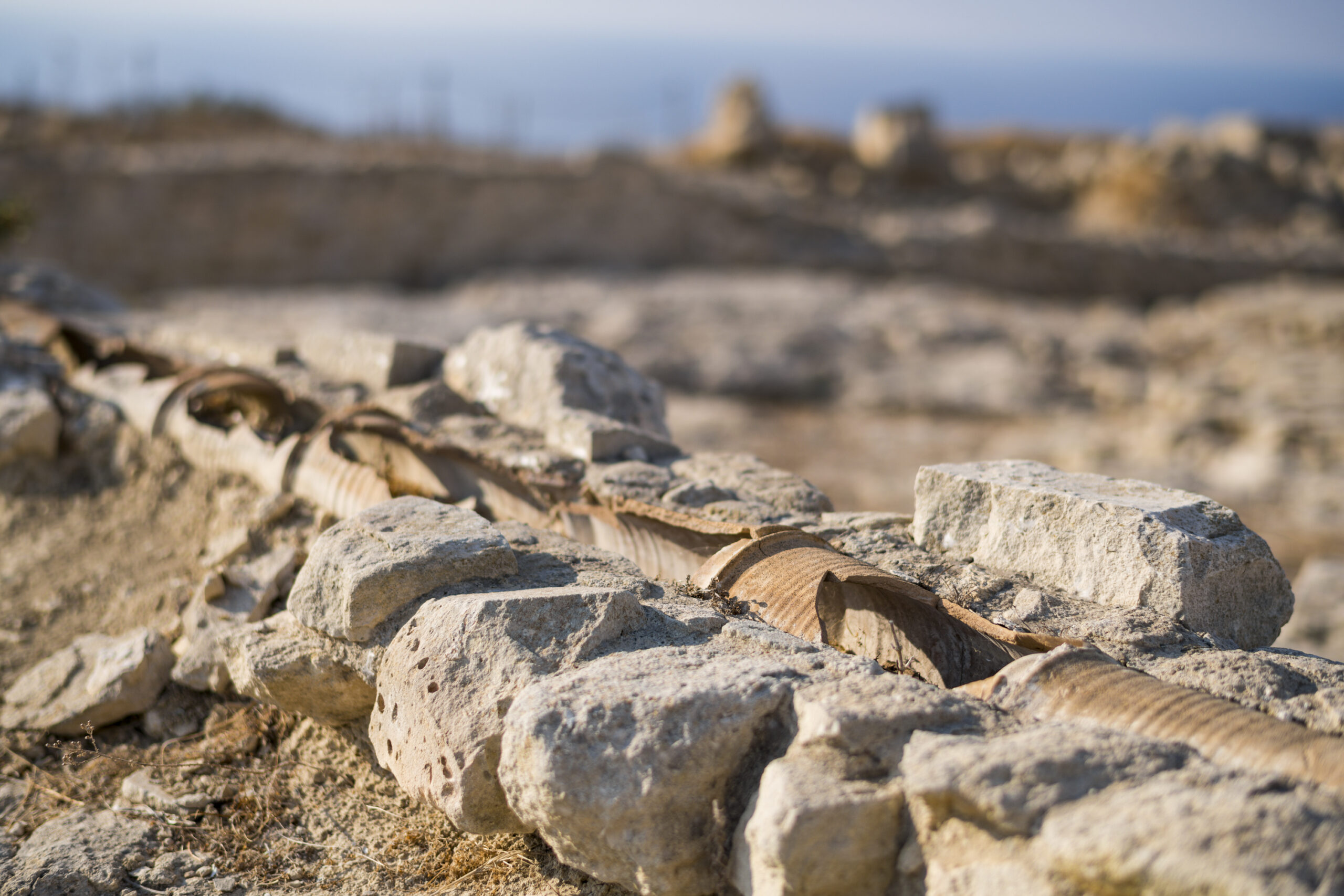
Some of the conduits are still visible, made of both stone and clay. The people's needs in water were constantly modified due to the long period of use of the site, leading to the installation of newer conduits that destroyed earlier architectural phases. For example, a conduit connected with the cistern was added to the west of the agora, destroying sections of the paving. Moreover, to the southeast, a triangular basin was later built, supplied with water from a canal connected to an aqueduct at the north of the agora.