DESCRIPTION:
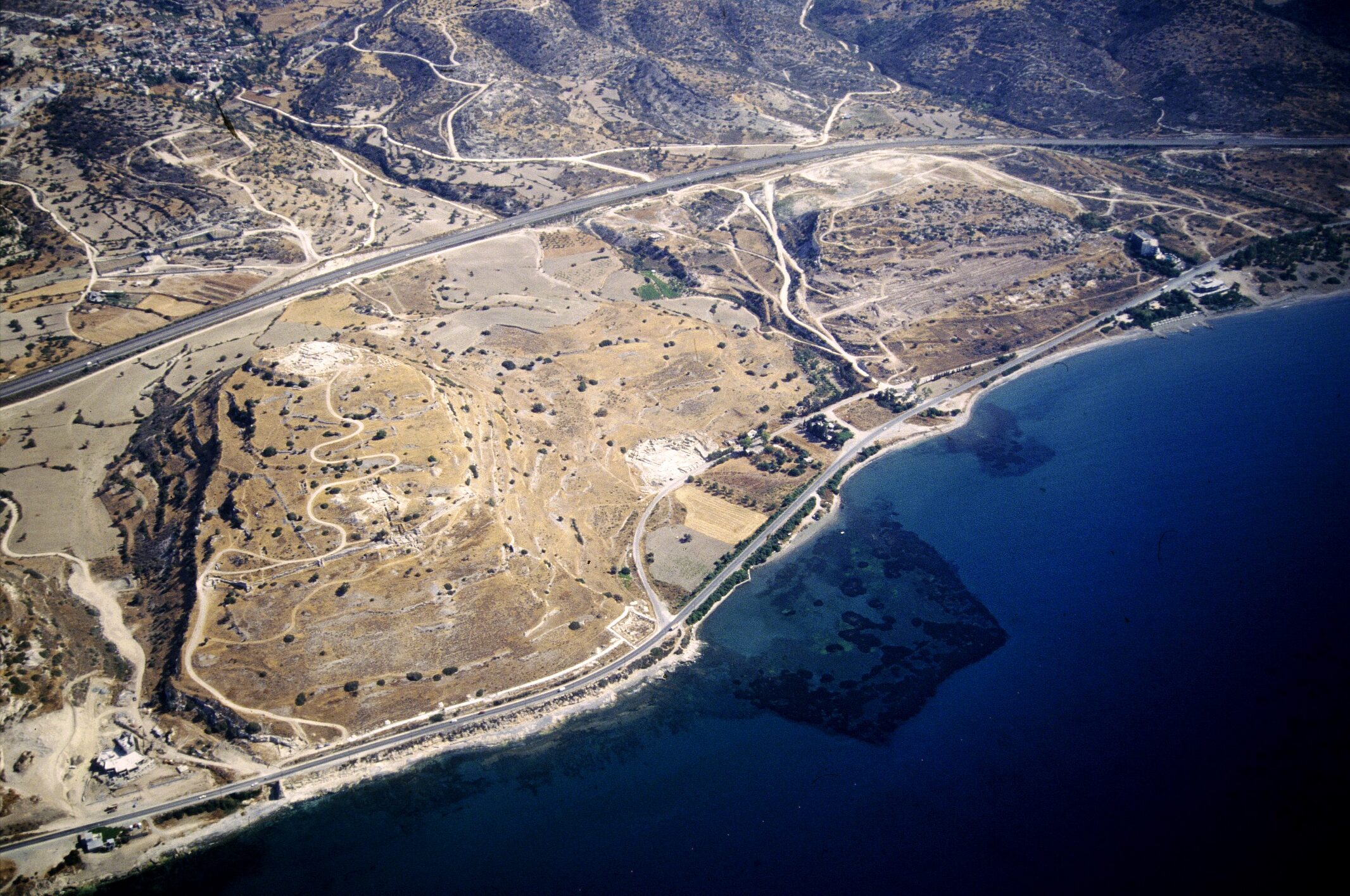
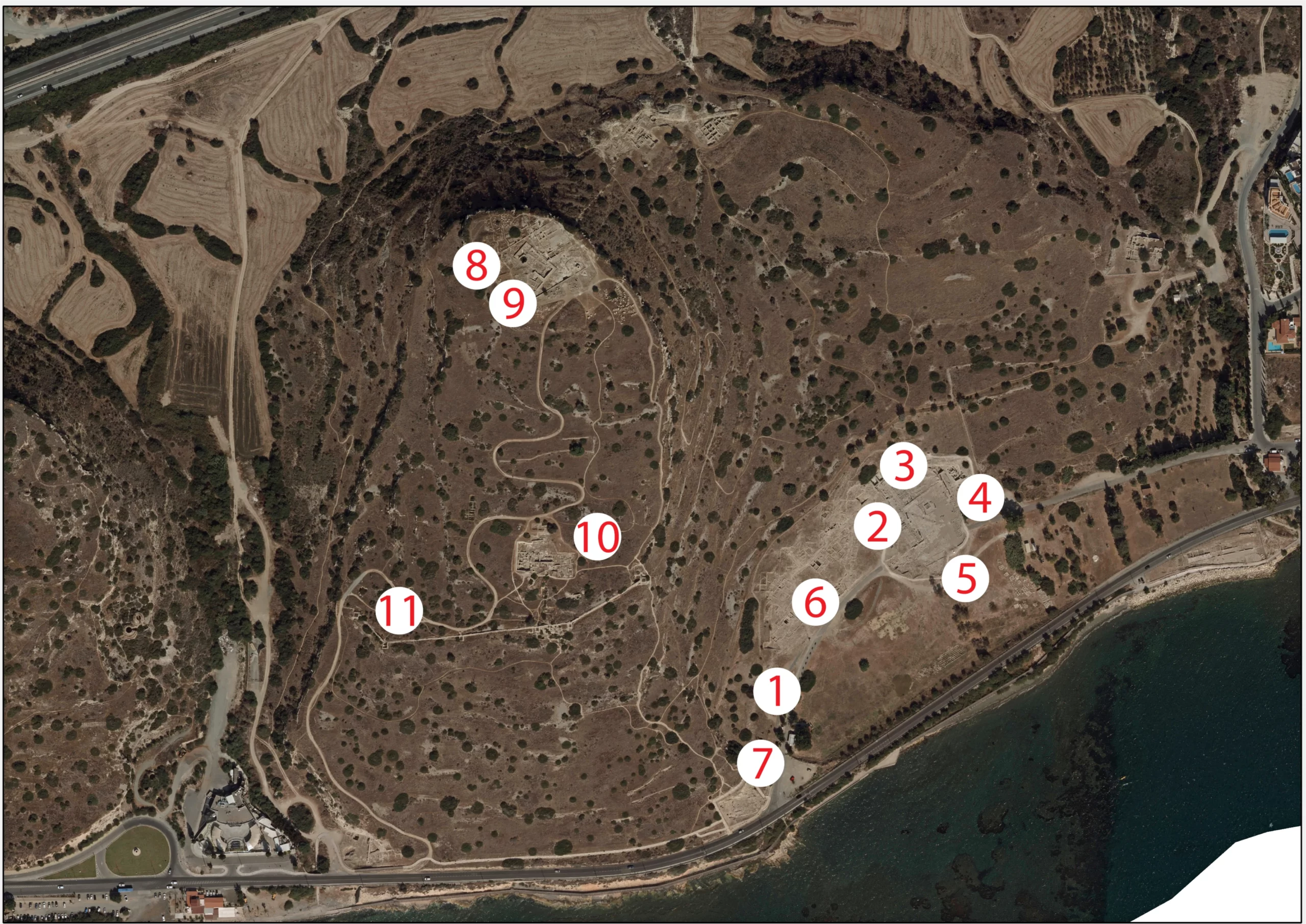
Amathous, was one of the island’s city-kingdoms, tracing back to the 11th century BC. According to myth, it was founded by Kinyras, a legendary king and priest of the goddess Aphrodite. Amathous became a major center for the worship of Aphrodite and the city’s sanctuary dedicated to the goddess had a vital role in local and regional religious life.
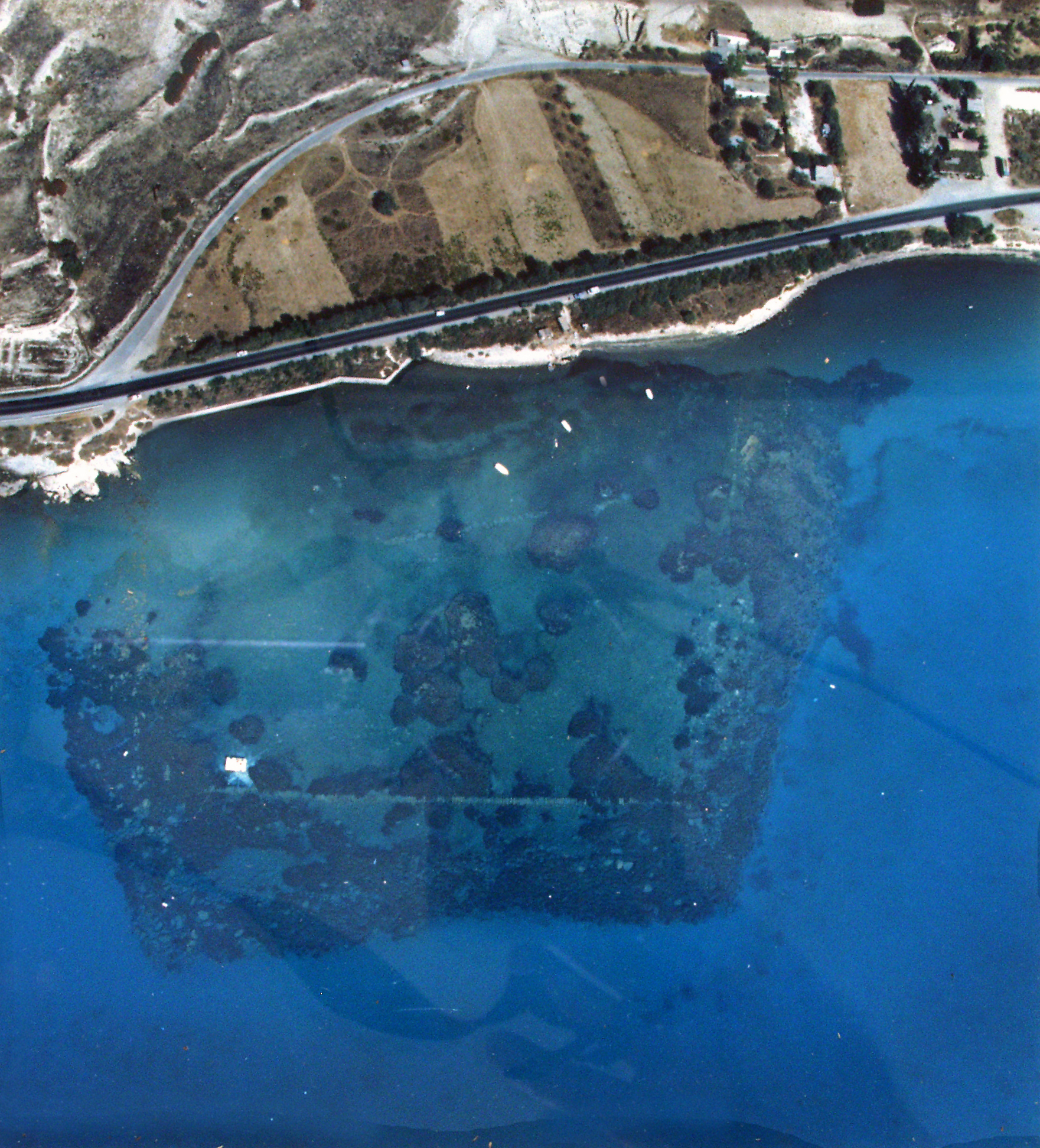
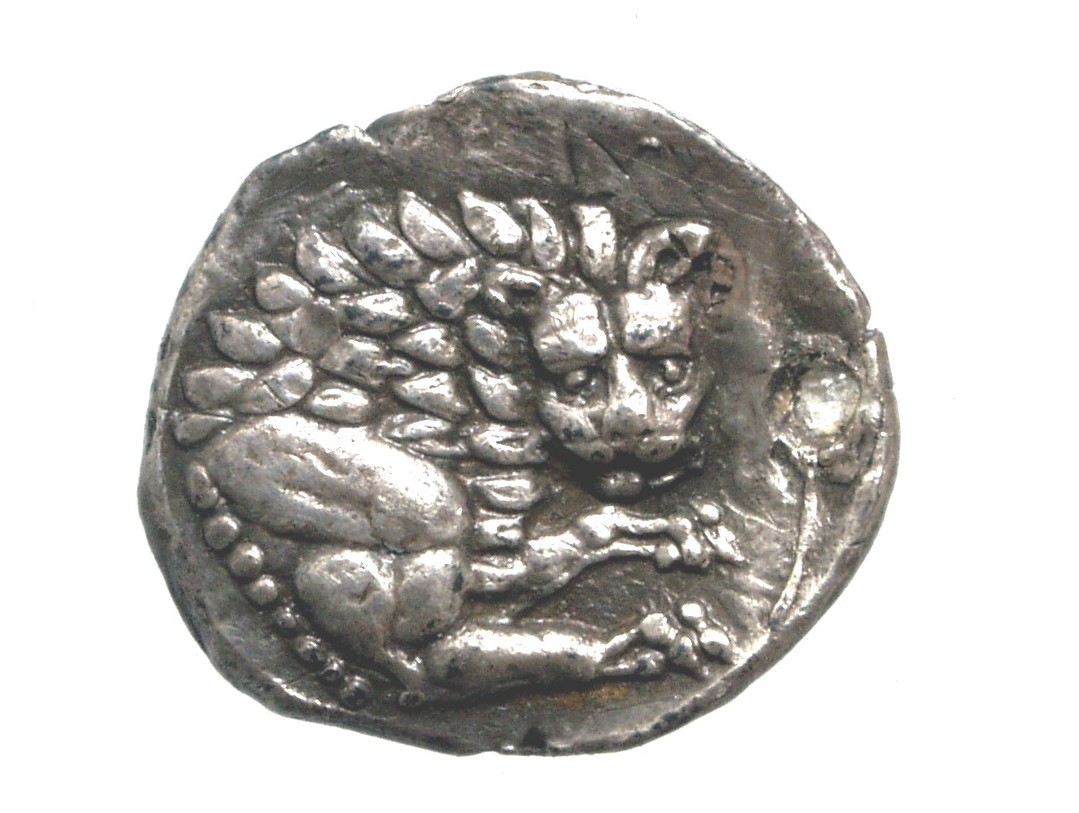
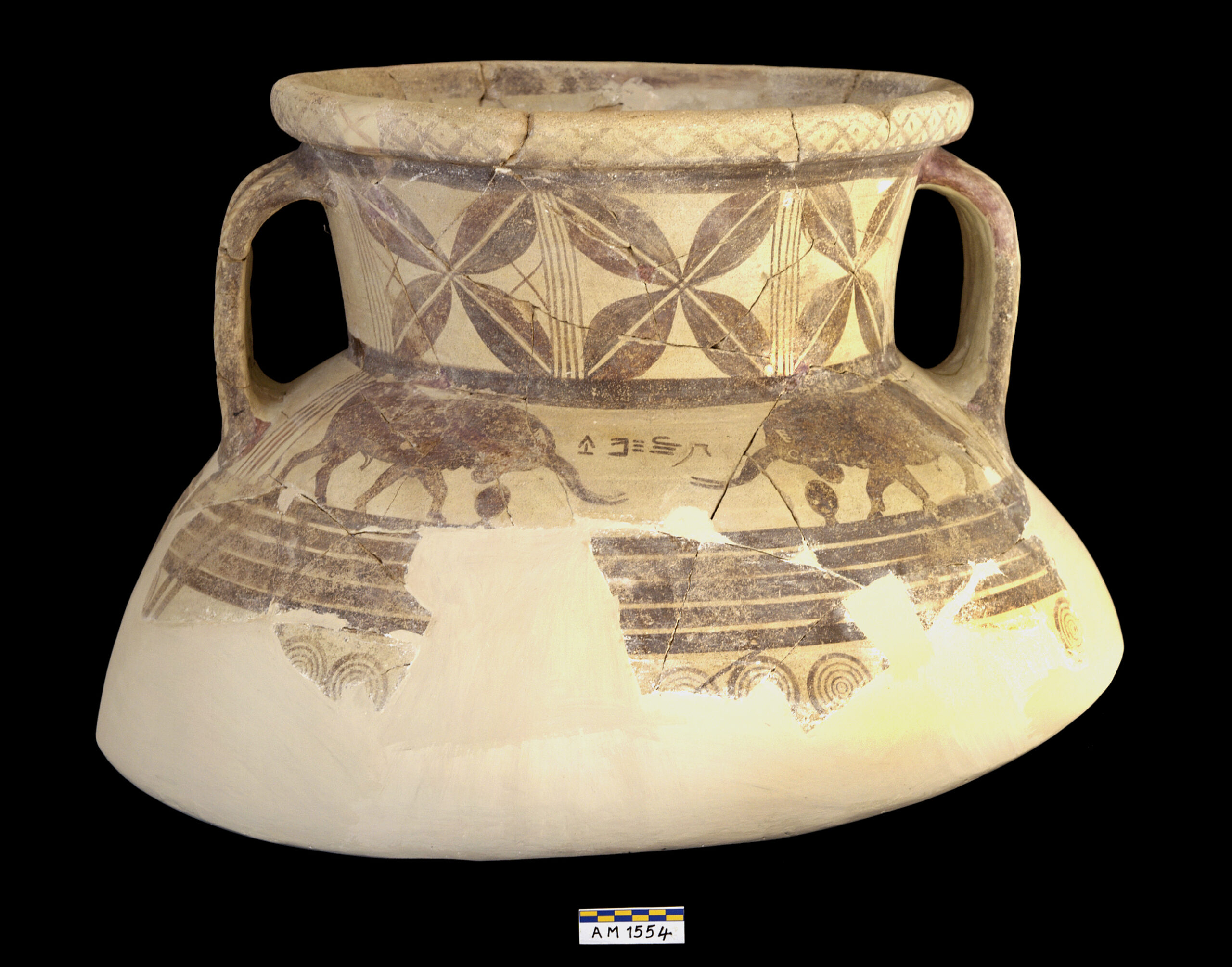
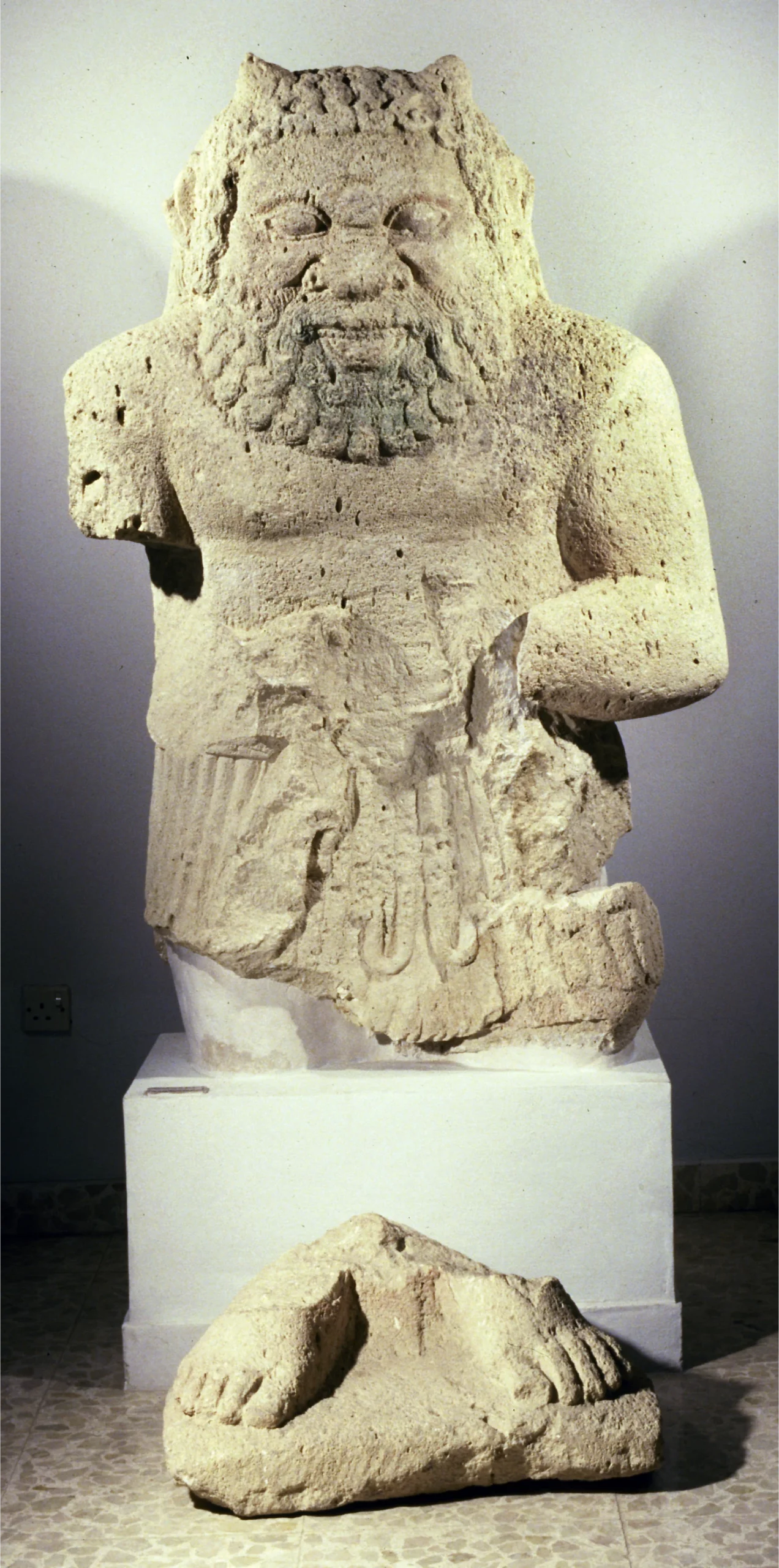
Within its territorial boundaries there was a harbour, fertile plains, forests, and copper-bearing land. Amathous thrived economically, engaging in trade with the Levant, Egypt, and the Aegean. Archaeological excavations have revealed impressive remnants of its past, (places of worship, an administrative center, public baths, and a large Agora). One of the most important discoveries are the massive stone vases standing almost two meters tall, one of which is currently exhibited at the Louvre.
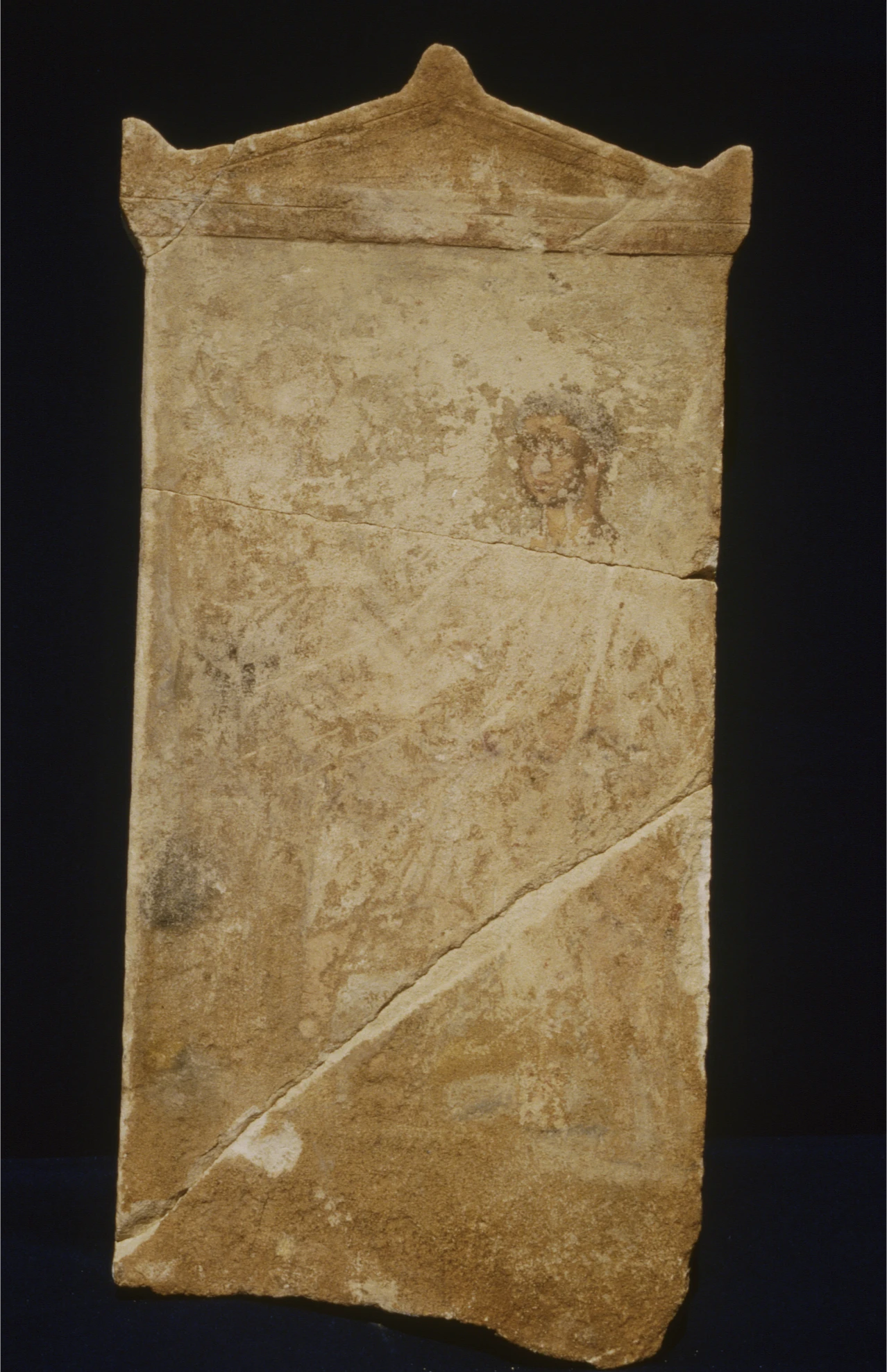
The city’s mixed cultural influences are evident in its art and architecture. During the Archaic and Classical periods, Amathous had evolved into a fully developed, complex, and urbanized city-kingdom.
During the Hellenistic period, when Cyprus fell under the control of the Ptolemies, the economic and administrative centre of the city was transferred to the eastern foothills of the acropolis, next to the agora. By the 4th century AD, the city had become Christian, and the first reports of a bishop of Amathous, Mnemonios, appear. At the end of the 6th century AD, a basilica was built on the acropolis on top of the sanctuary ruins. During the Arab raids, the city was besieged despite its defence attempts, leading to the abandonment of the area around the 7th century AD.