DESCRIPTION:
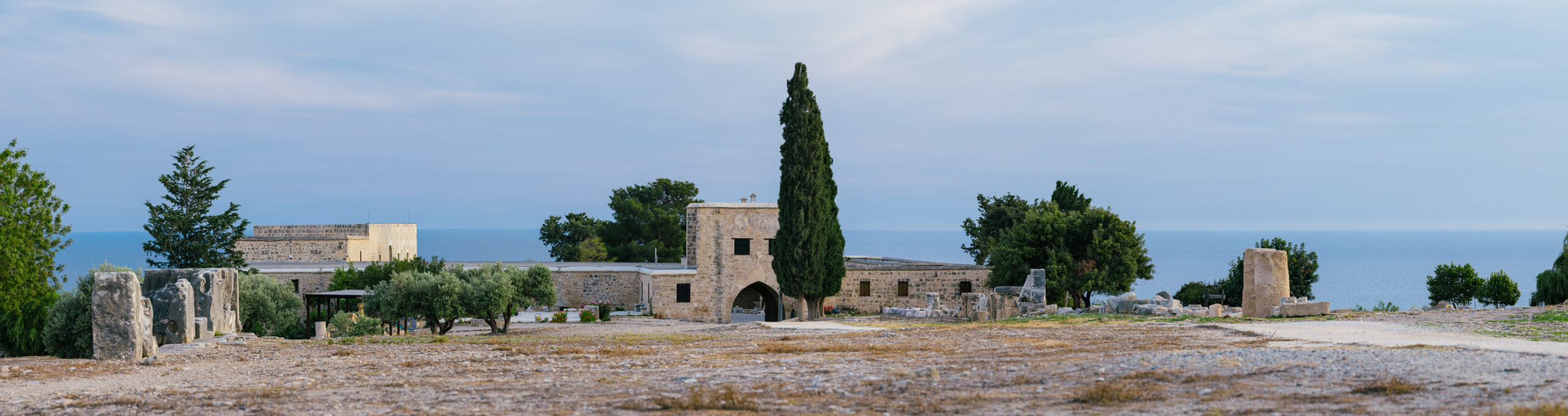
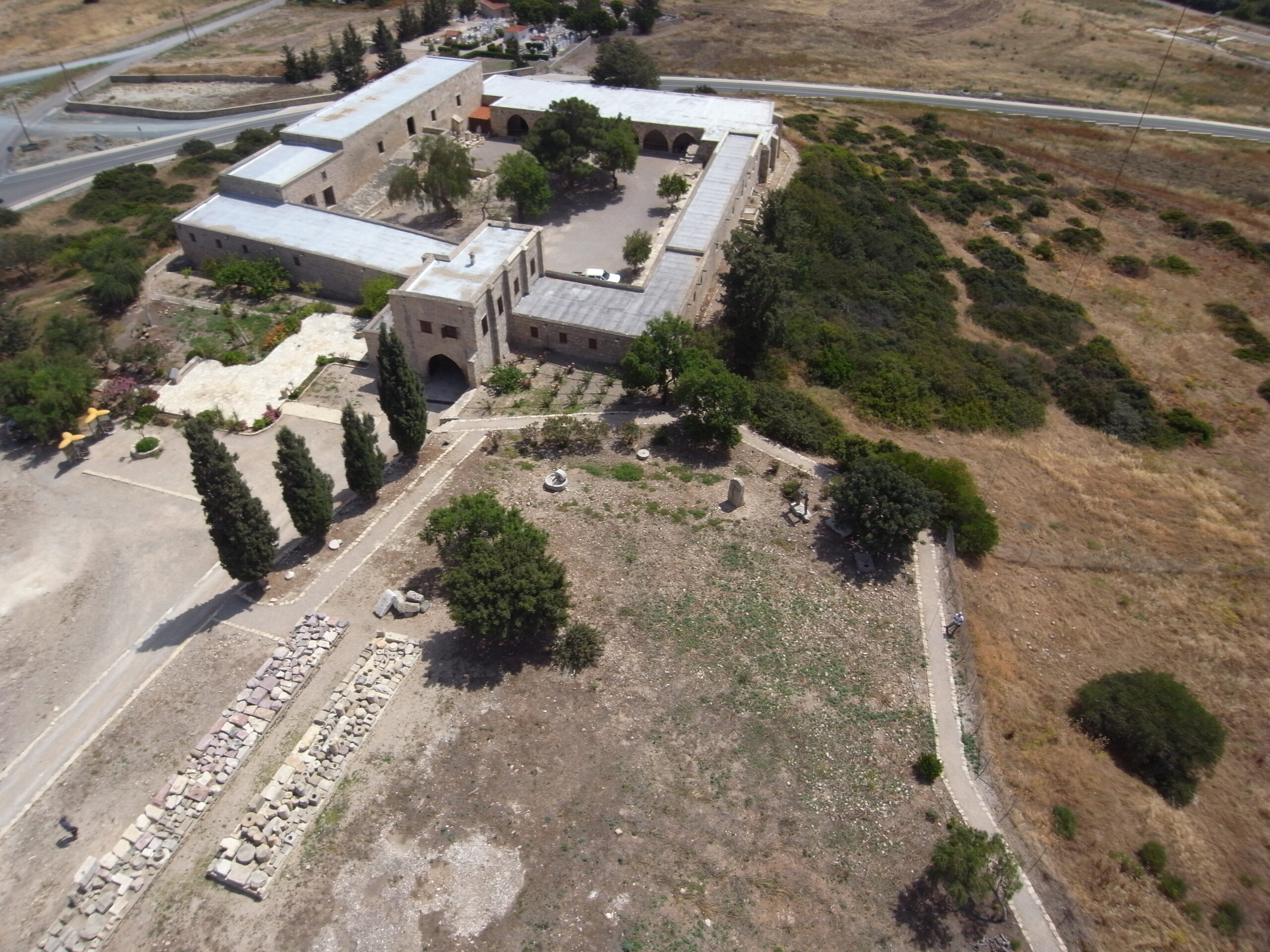
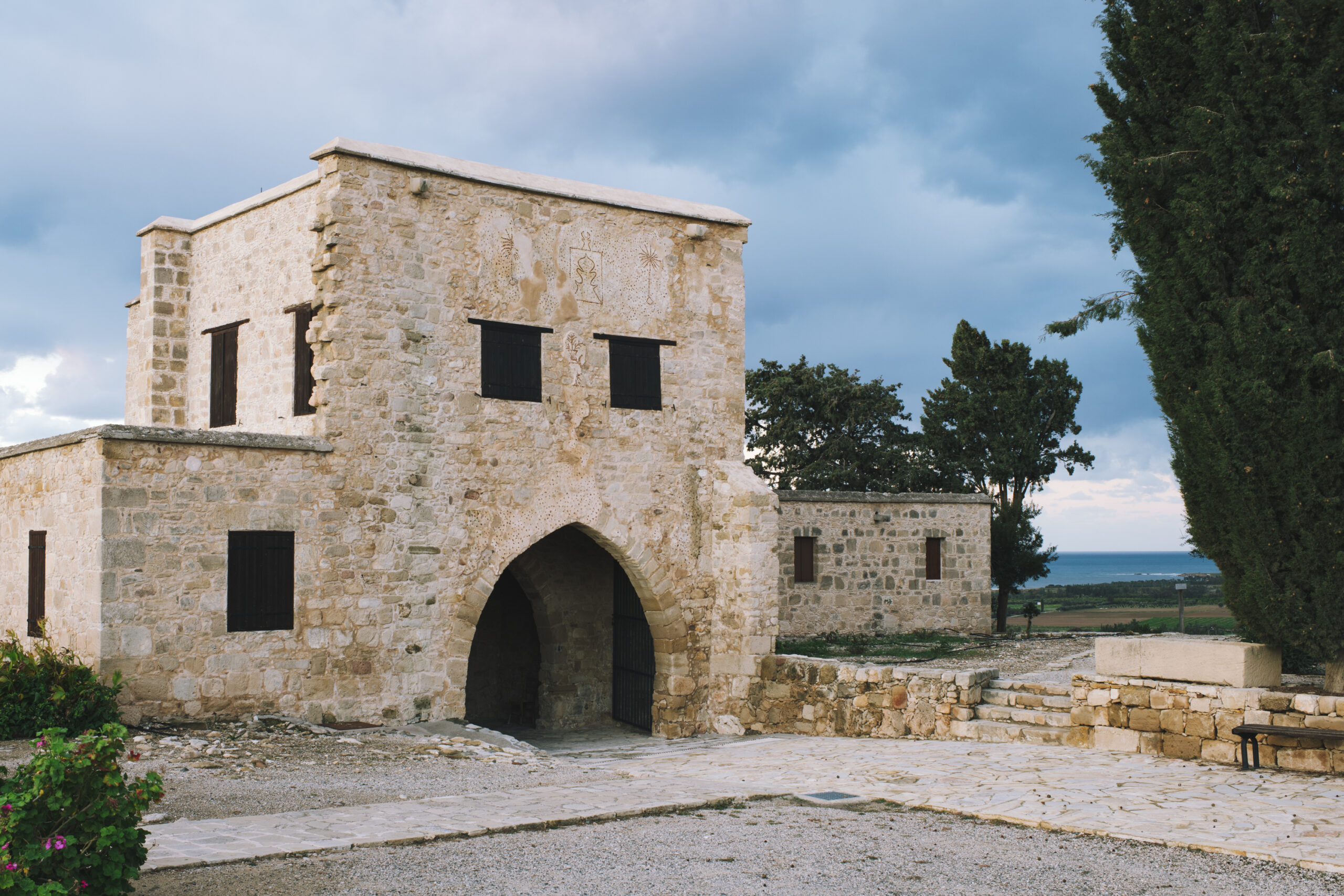
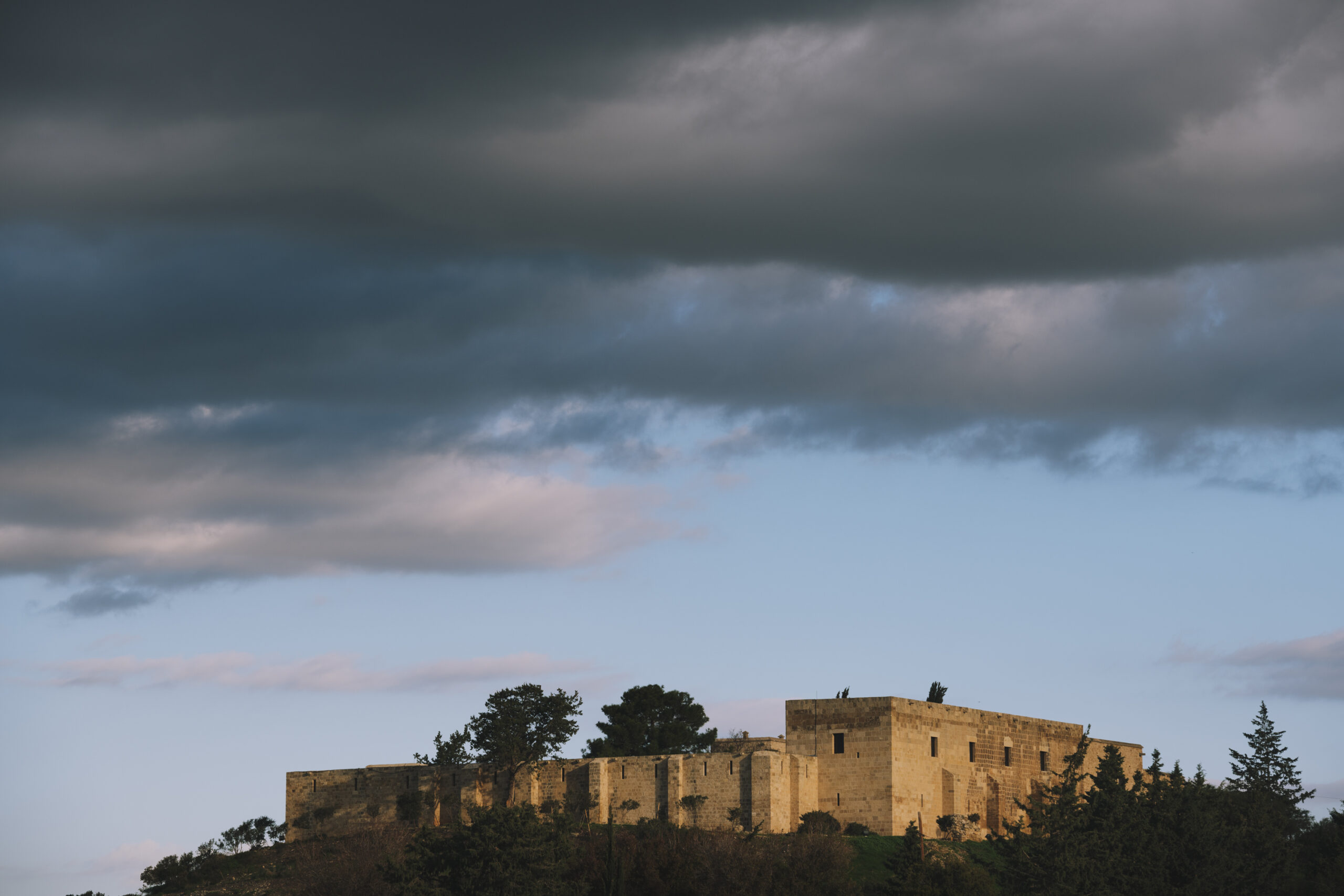
The manor house was constructed during the Frankish rule in the 13th century AD. Strategically located, it served as the administrative centre of the region as well as the control centre of the royal sugar cane plantation and sugar production. During the Ottoman period (1571–1878), the manor maintained its role as the administrative centre for the Kouklia Ottoman chiflik. By the early 20th century, the manor was abandoned, and parts of the building collapsed.
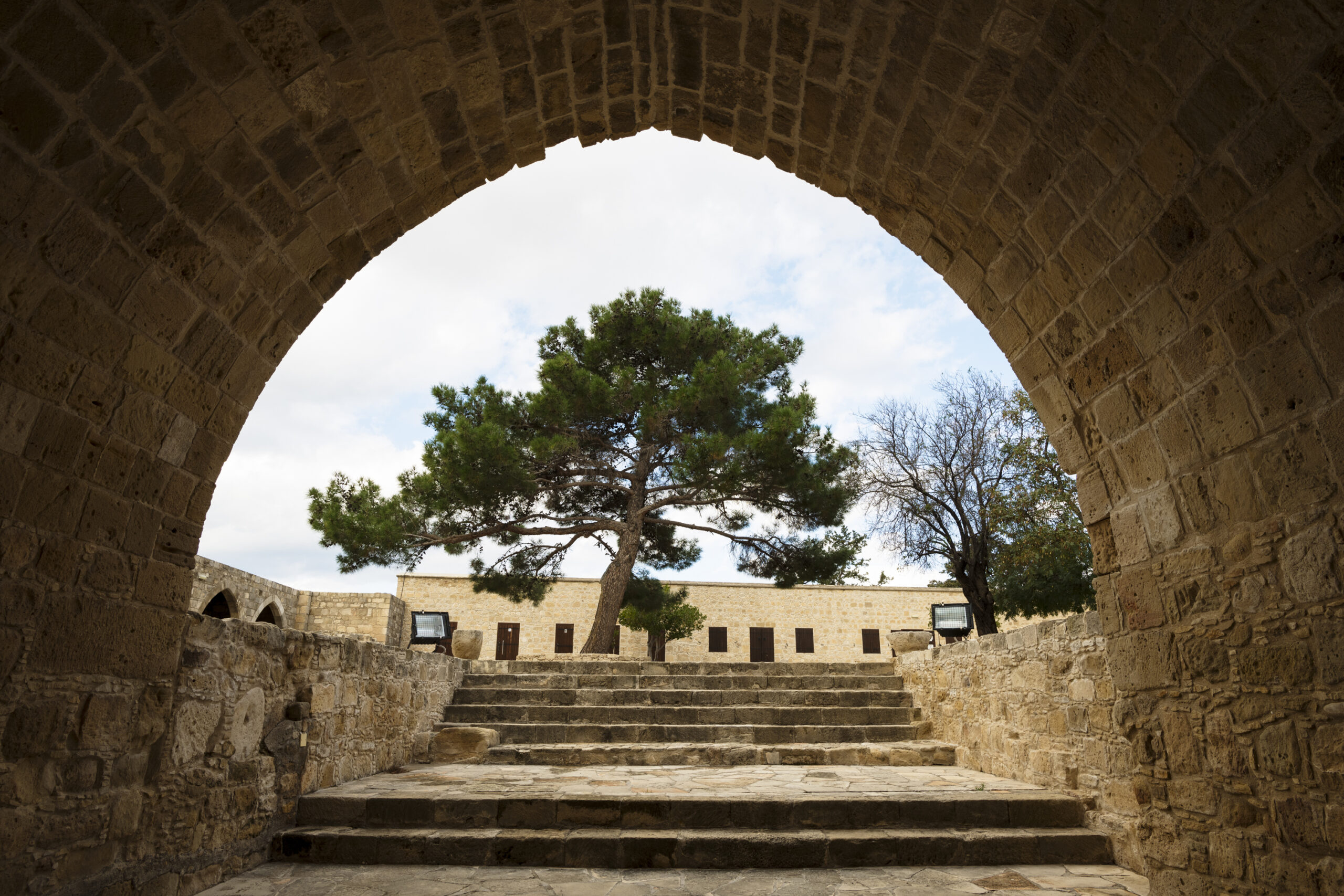
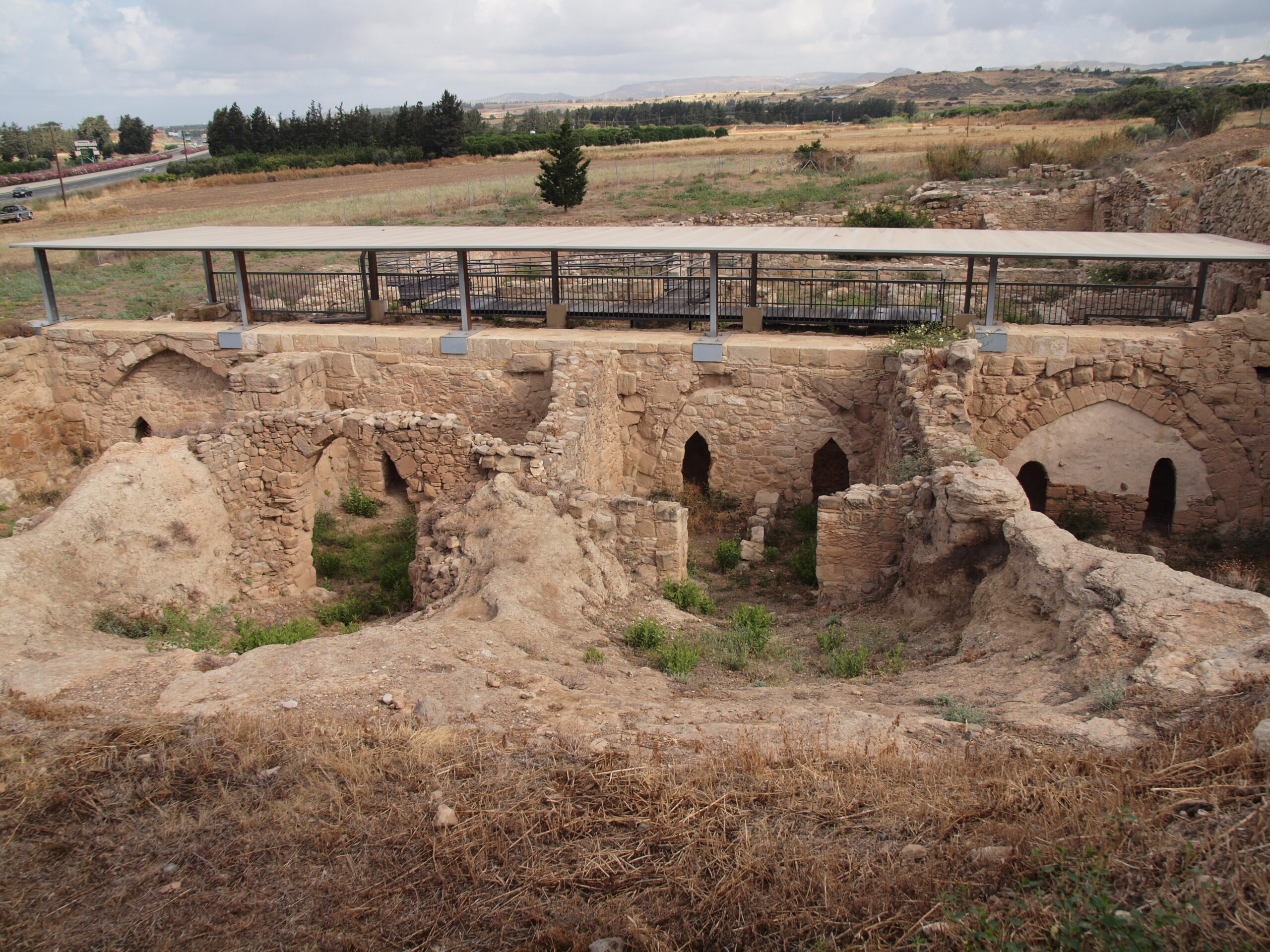
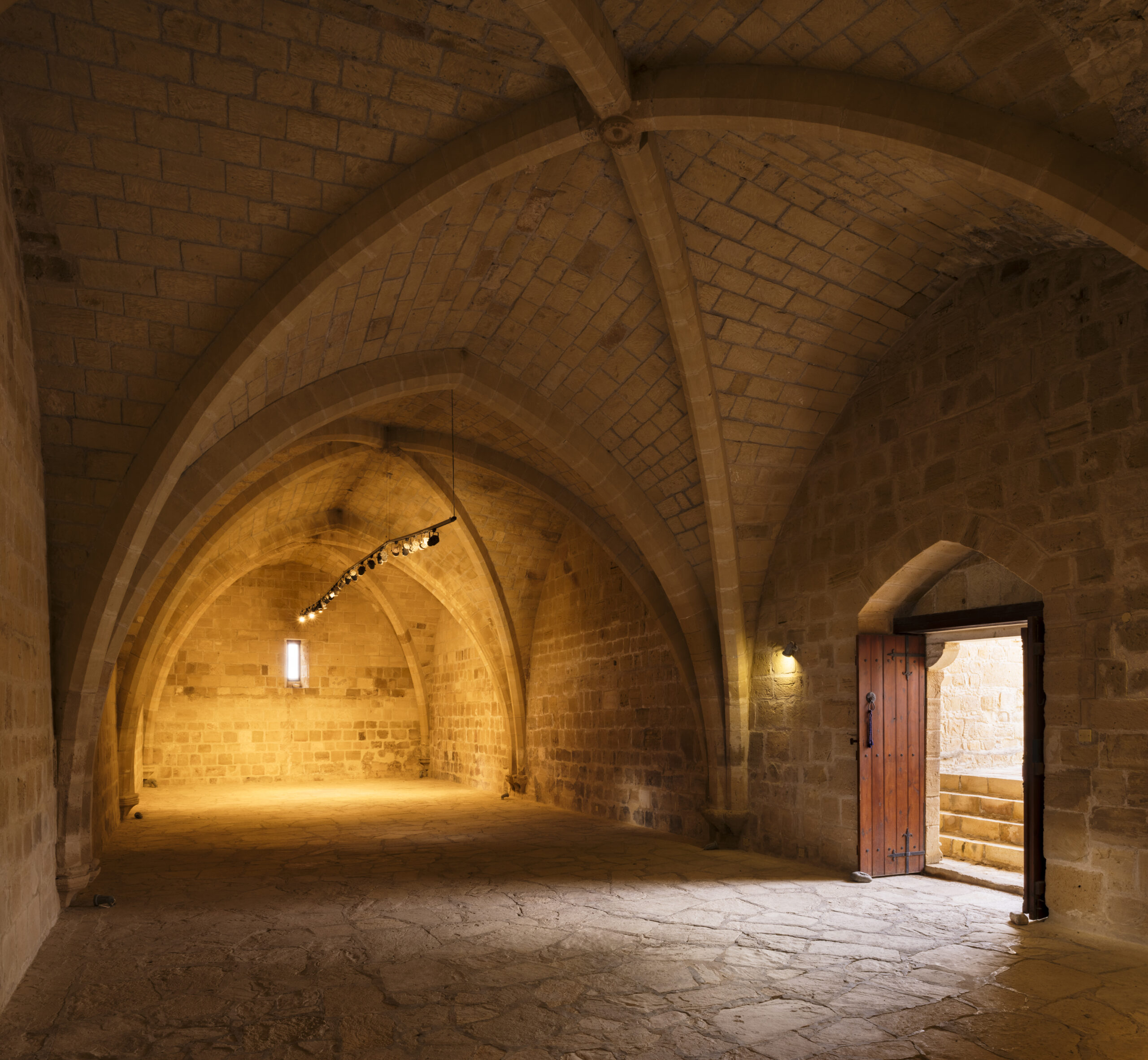
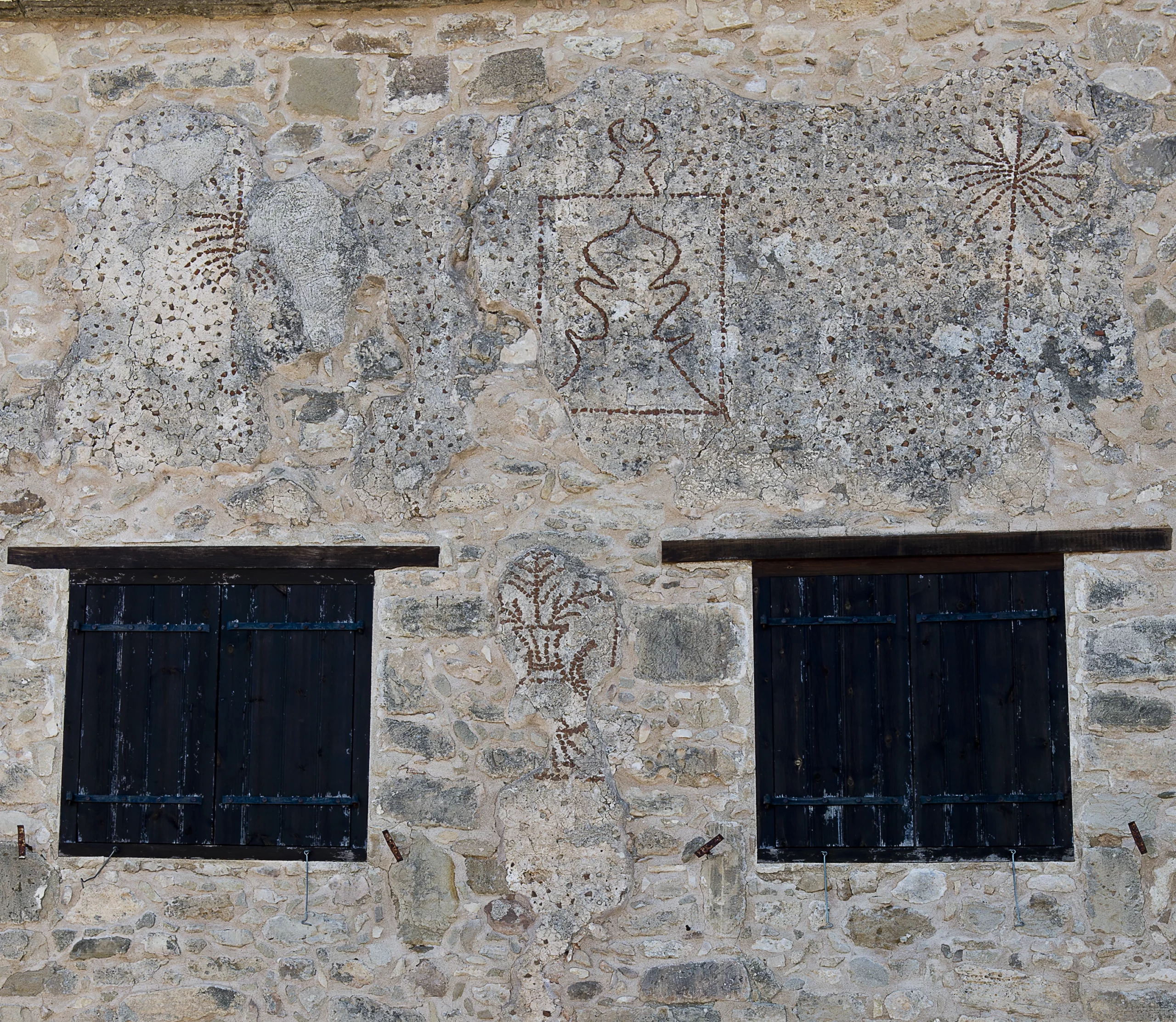
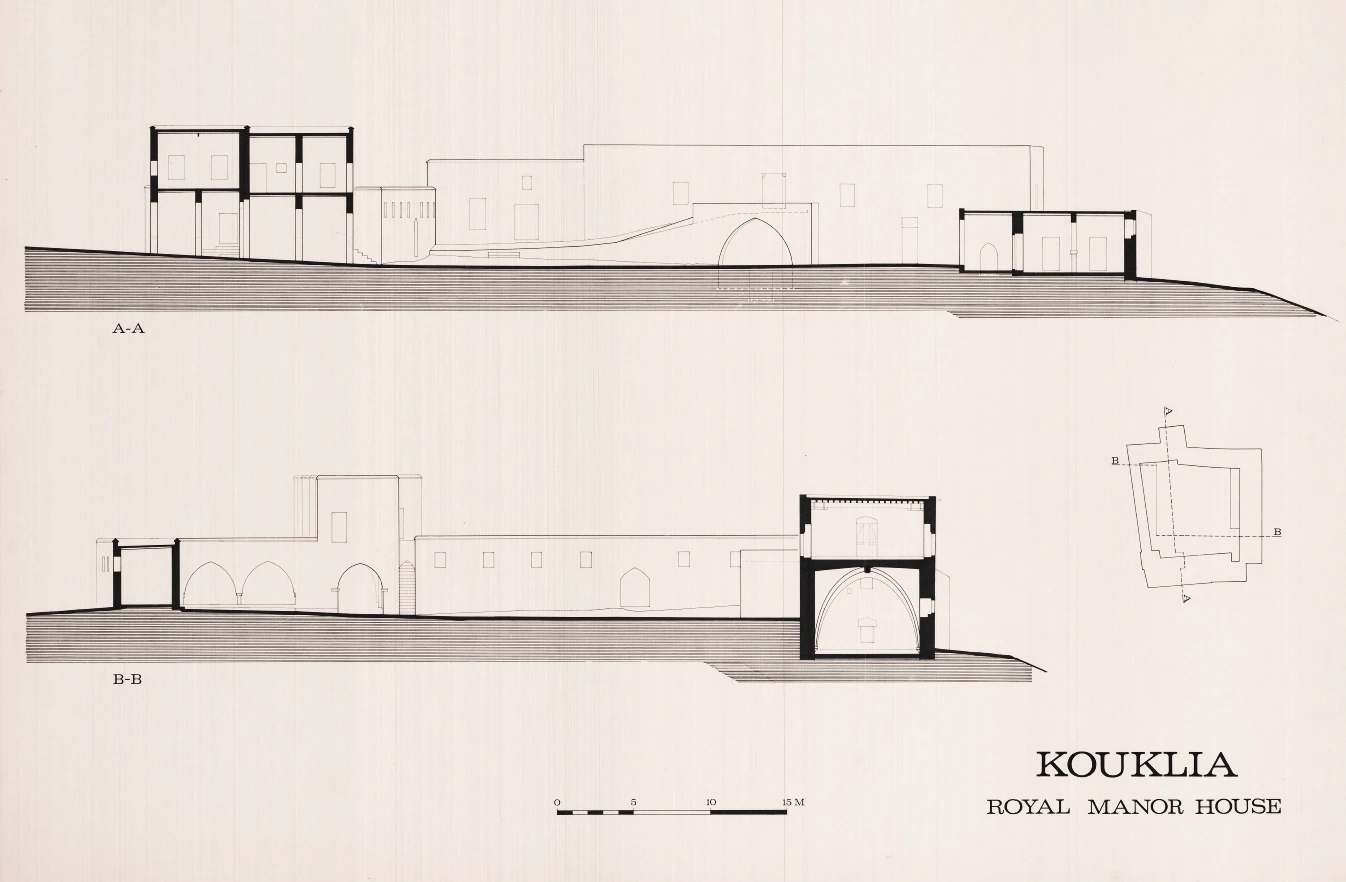
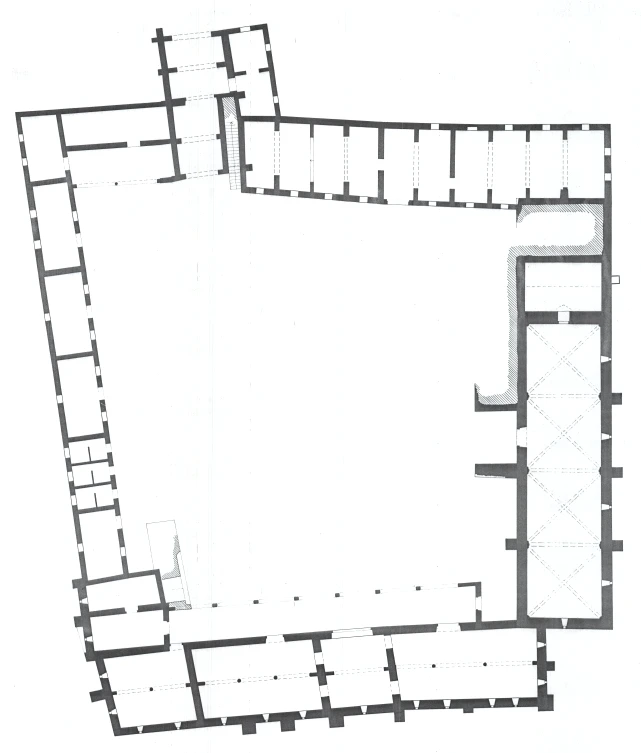
The manor displays phases from both the Frankish and Ottoman periods. In some areas, the Ottoman phases are incorporated into the Frankish structures. The eastern hall, which is part of the Frankish phase, stands out. It is a large rectangular cross vaulted-hall that is divided into four perfect bays with four arches. To the south, the wing with pointed arches was built by the Lusignans, collapsed, and later reconstructed by the Department of Antiquities using original materials found in the ruins.
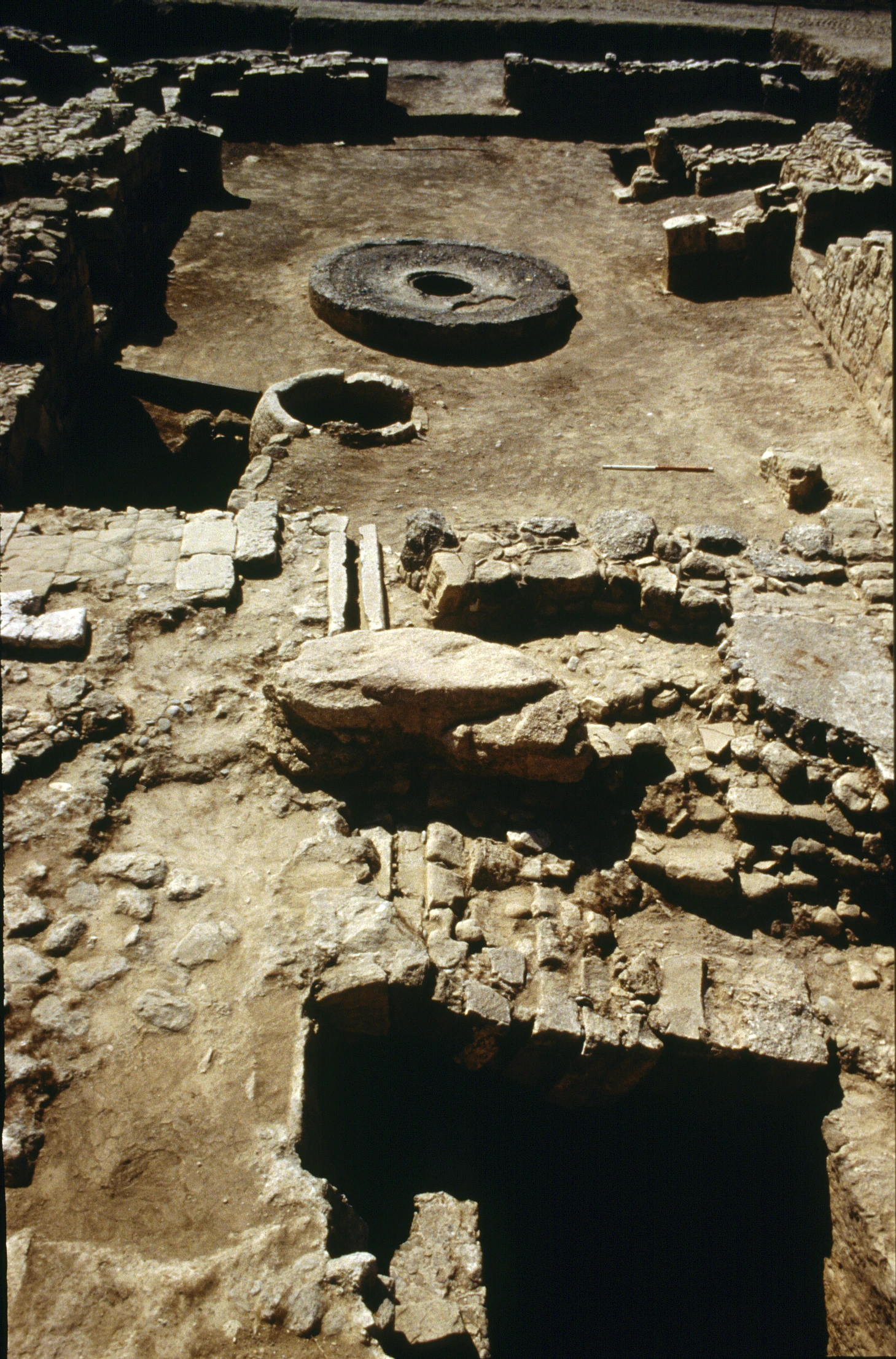
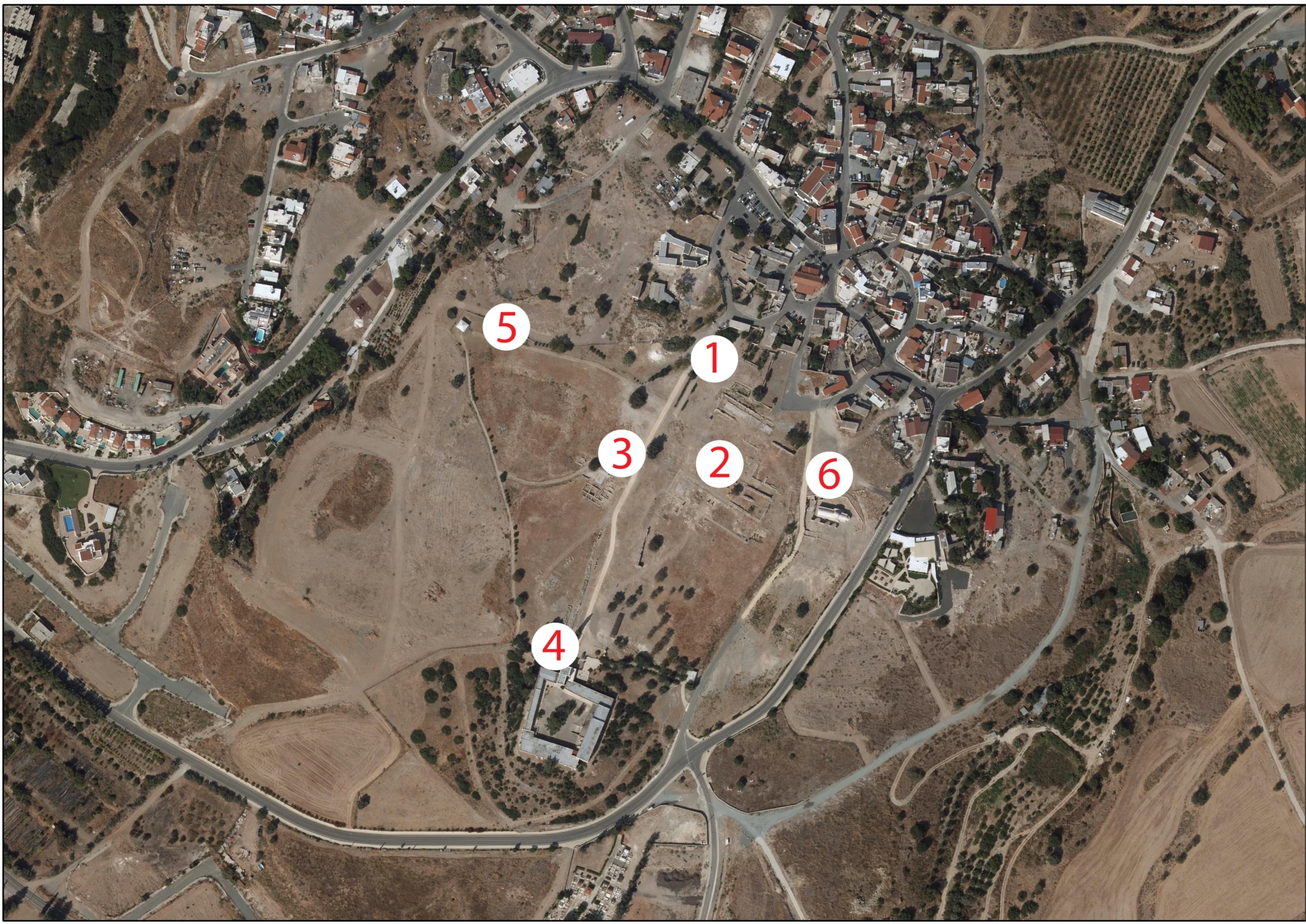
The manor is mainly linked to the history of sugar production in Cyprus, which began under the Lusignans, who were familiar with the process. In Cyprus large quantities of sugar were produced and exported abroad. Although. sugarcane was cultivated in several areas of the island, Paphos was the main center for cultivation and production. To control the industry, the Lusignans chose Kouklia as their administrative base and constructed the manor there. In the village, at the site Stavros-Kouklia, a sugar mill was also discovered.
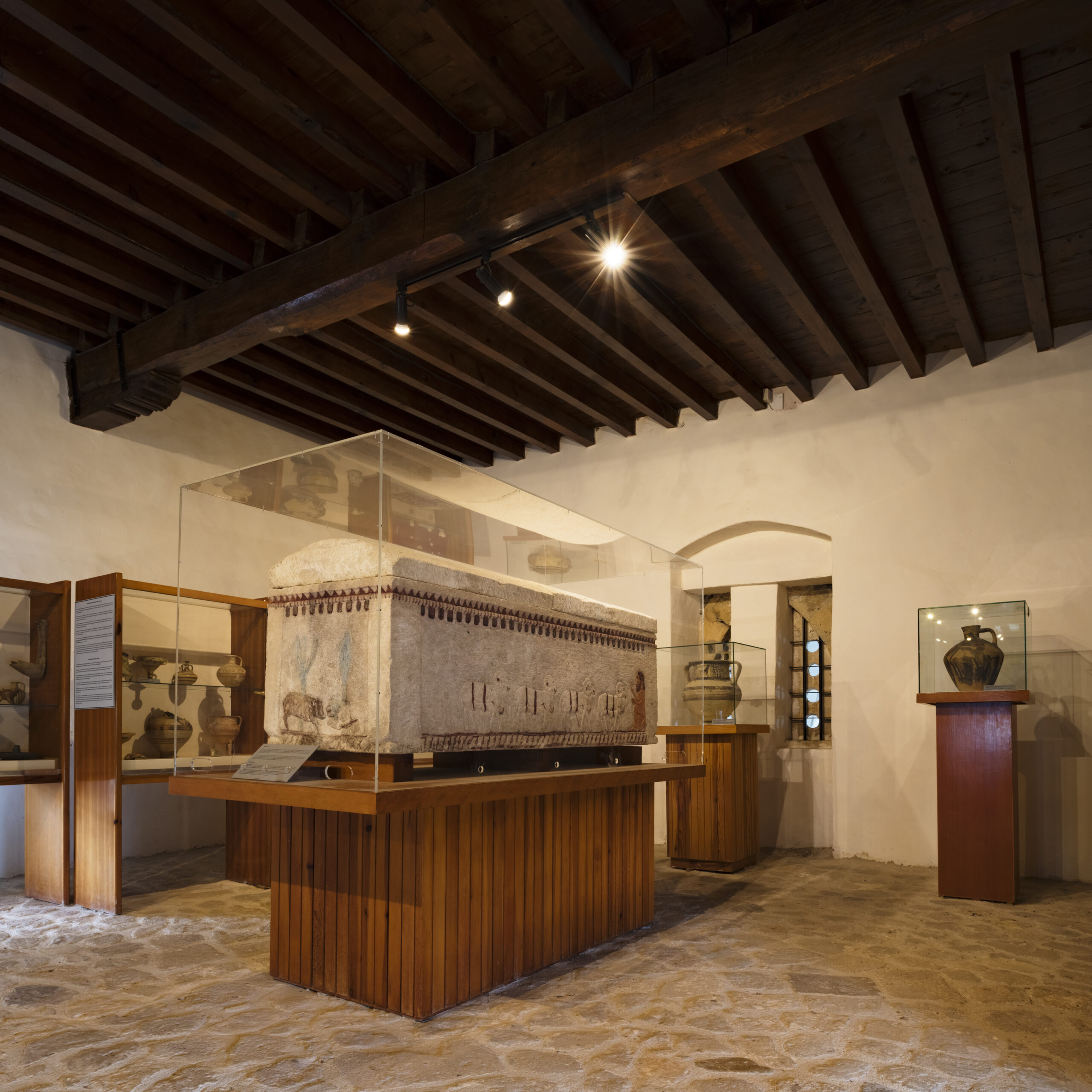
The medieval manor is a historic site that now houses the local museum. On the ground floor, findings from the Sanctuary of Aphrodite are displayed, while the upper floor presents the history of Palaepaphos through artifacts from the excavations.