DESCRIPTION:
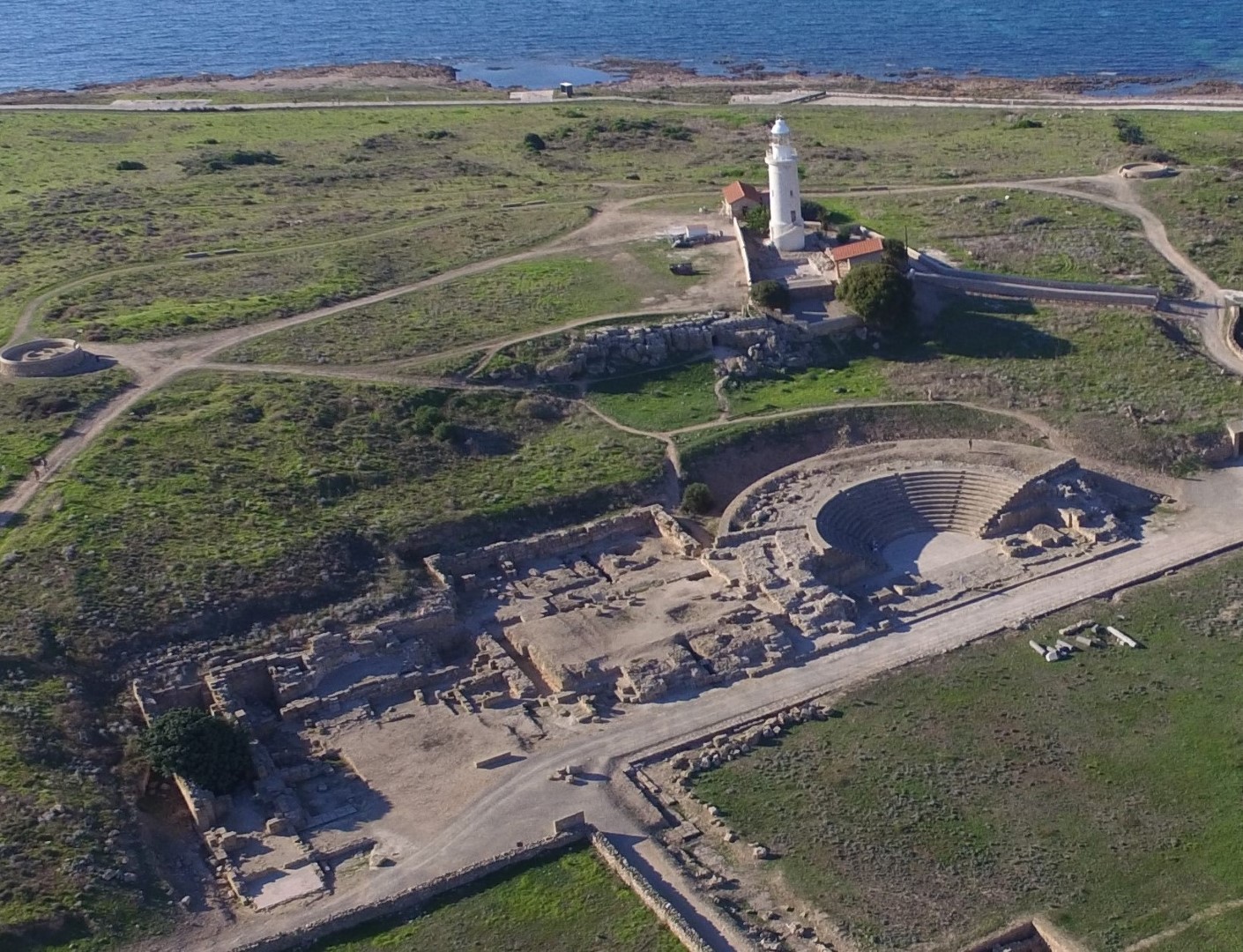
The Odeon had all the architectural features of an open-air theater: the cavea (seating for the spectators), the orchestra (the dance area), and the stage (for actors, musicians), but it differed from the larger theaters as it was usually a smaller and roofed space, reserved for musical events, as well as dance performances, recitations, pantomime, etc. It was usually constructed in the Agora area, as it was an important part of the cultural life of a city. The Odeon of Pafos, the only one of its kind known throughout Roman Cyprus, was built in the early 2nd century AD on the western side of the Agora. It was destroyed by the earthquakes of the 4th century AD, but after its discovery (1968-1978), it was partially restored (only the lower part of the cavea) by the Department of Antiquities of Cyprus and is now used for cultural events.
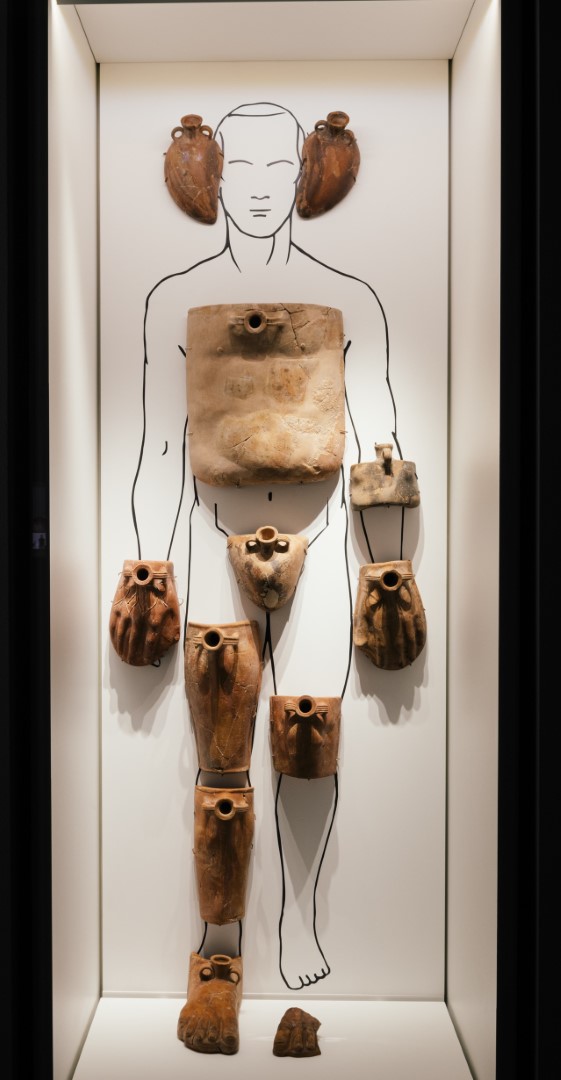
Next to the Odeon, there is a large architectural complex, equipped with a series of small rooms, channels, and small basins, and for this reason, it has been identified as the Asclepius, the sanctuary of Asclepius, the god of medicine, which also functioned as a healing center, essentially serving potentially as a kind of initial 'hospital.' However, it should be noted that this interpretation is not universally accepted. Of particular interest is the fact that a random discovery northwest of the 'House of Dionysus' brought to light a unique find: clay hot-water bottles in the shape of various parts of the human body, which were likely used for therapeutic purposes. Such hot-water bottles are unknown elsewhere in Cyprus, and only two examples are known in the rest of the Roman world. The hot-water bottles, along with surgical instruments found in the tomb of a Roman doctor from Pafos, are displayed at the Archaeological Museum of the Pafos District.