DESCRIPTION:
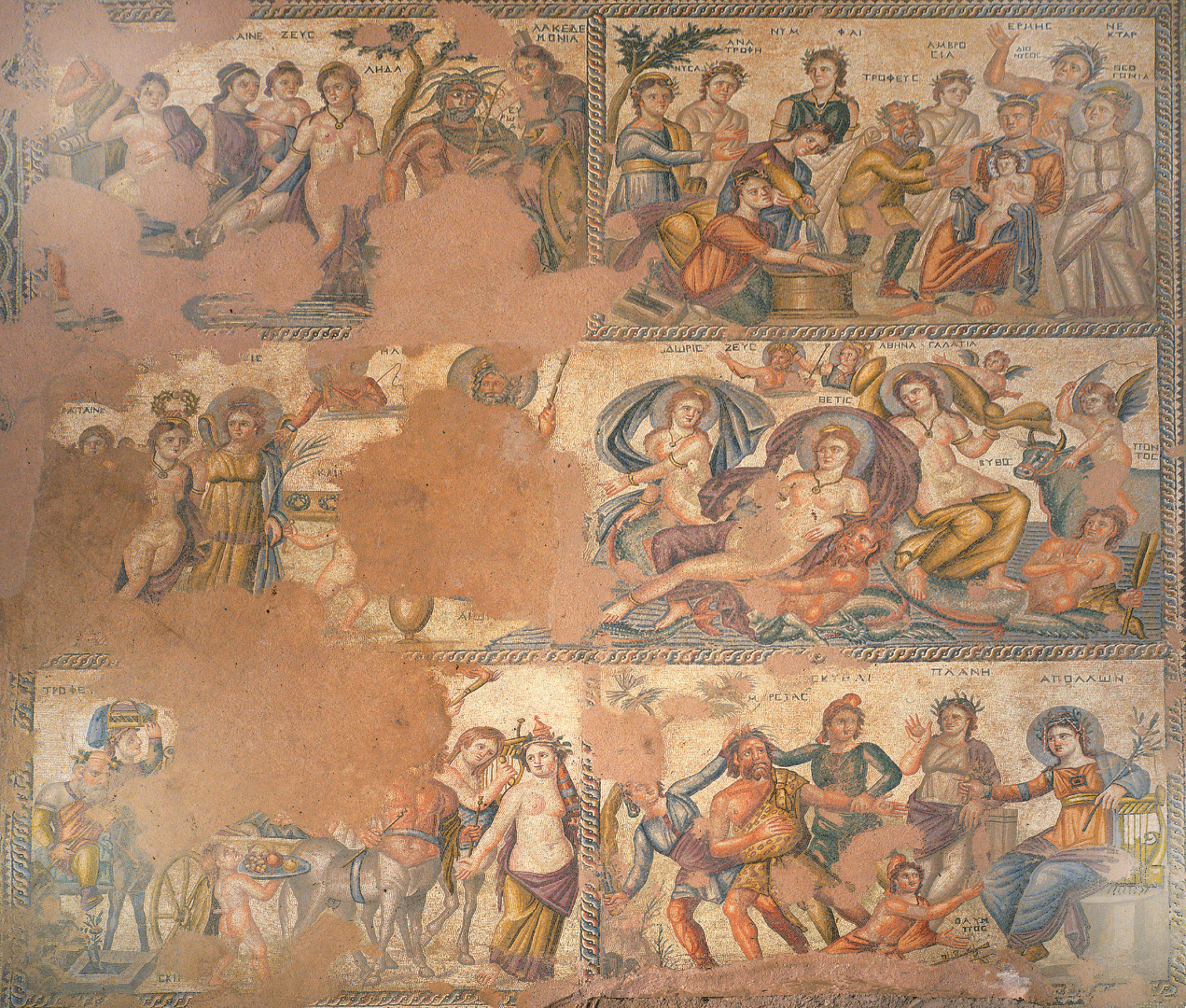
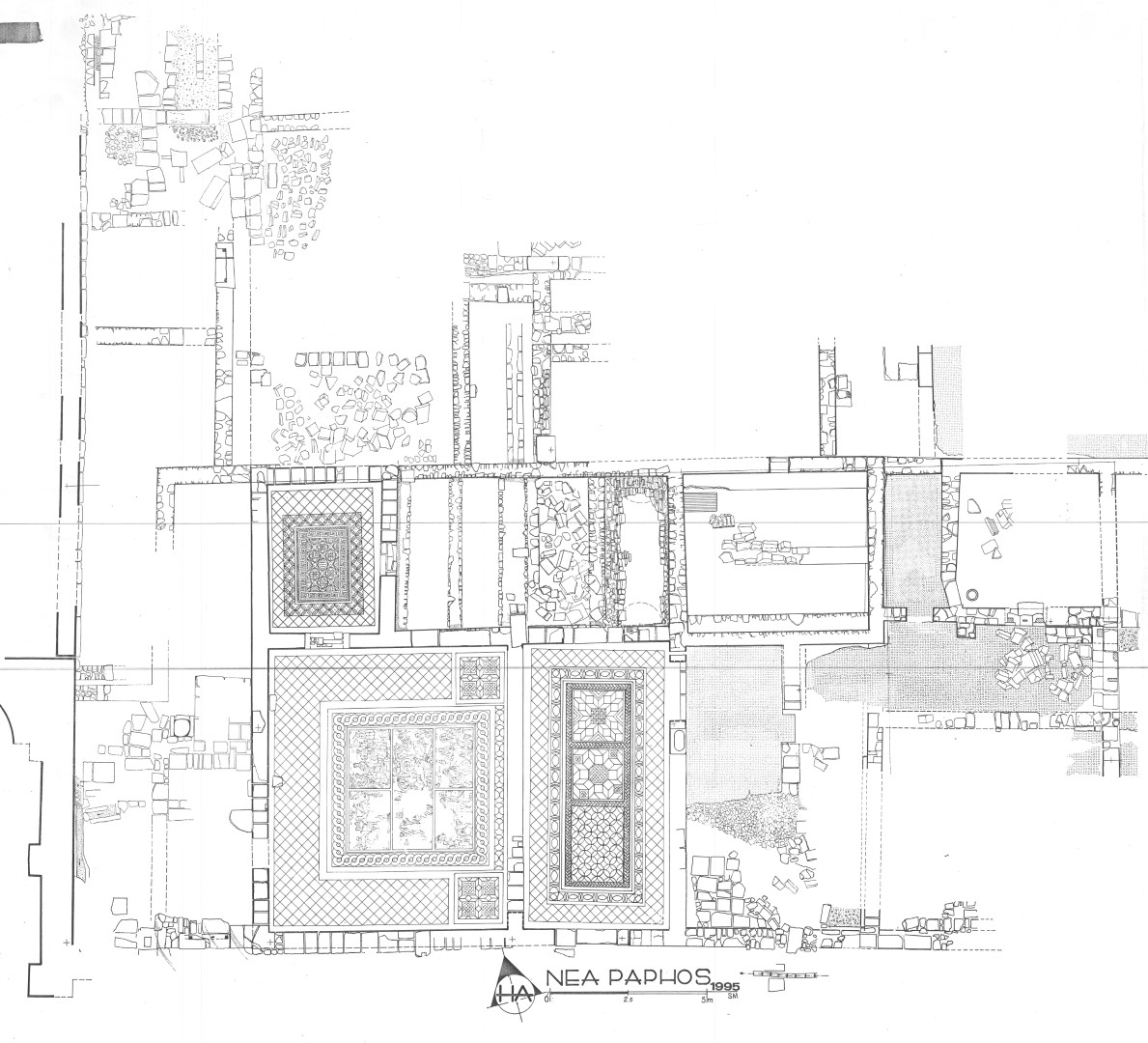
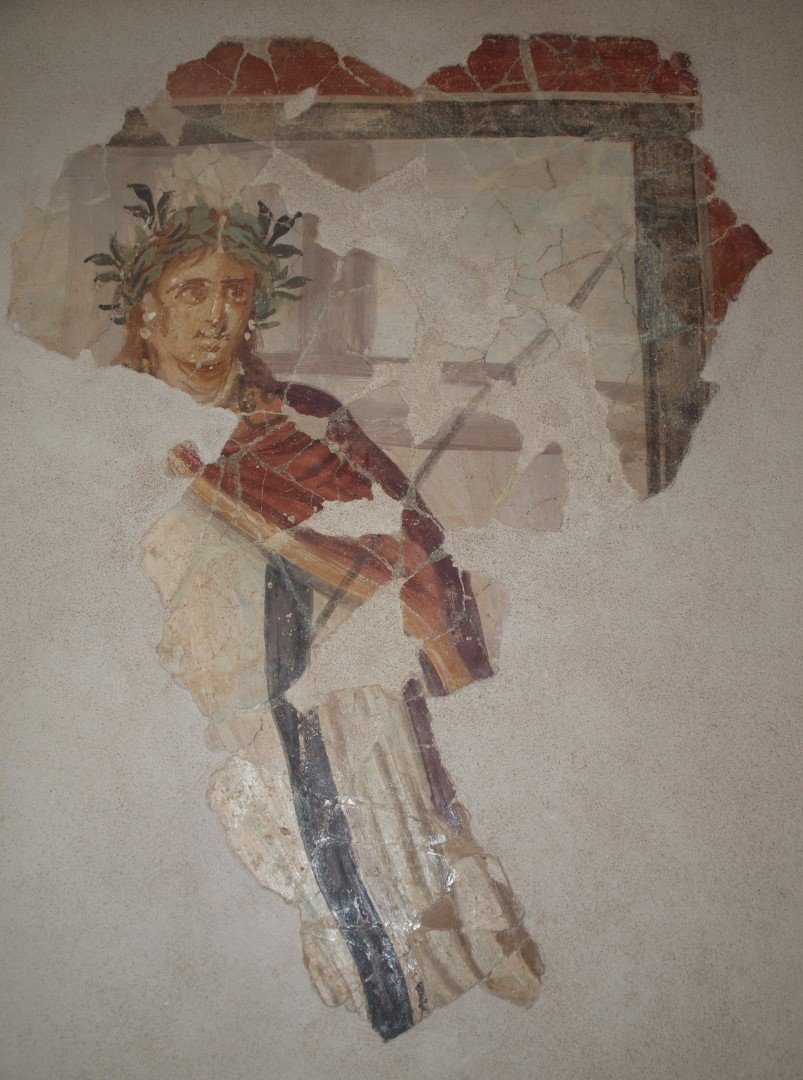
The "House of Aion" was excavated in the 1980s by the Polish Archaeological Mission, and both the building and its mosaic decoration date back to the 4th century AD. The reception room stands out, covered with the most intricate, multi-figured, and impressive mosaic floor found in Pafos. A broad frame with a simple geometric pattern covers three sides of the room. This is where the couches were placed, upon which guests would recline, admiring and discussing the scenes depicted in the central part of the floor. The mosaic is divided into five panels, depicting, starting from the top right: (a) Hermes presenting the infant Dionysus to a group of people and personifications, (b) Leda and the Swan, (c) the "Contest of the Nereids," a beauty contest between Cassiopeia and the Nereids, with Aion, the personification of eternal time, as the central figure, (d) the musical contest between Marsyas and Apollo and the punishment of Marsyas, and (e) a Dionysian procession. The complexity of the themes, the presence of many unique personifications, which are identified only by the names accompanying them, has led scholars to many intricate and sometimes conflicting interpretations of the scenes. Another room of the building, possibly a library, was decorated with wall paintings depicting the god Apollo and the Muses. A sample of these wall paintings is on display at the Archaeological Museum of the Pafos District.