DESCRIPTION:
The so-called "Earthquake House" is a private residence that was built in the late 1st or early 2nd century AD. Its name derives from its complete destruction by an earthquake in 365/7 AD. According to historical and archaeological sources, this earthquake affected the entire eastern Mediterranean (Crete, Asia Minor, and Egypt) and caused extensive destruction in the city of Kourion.
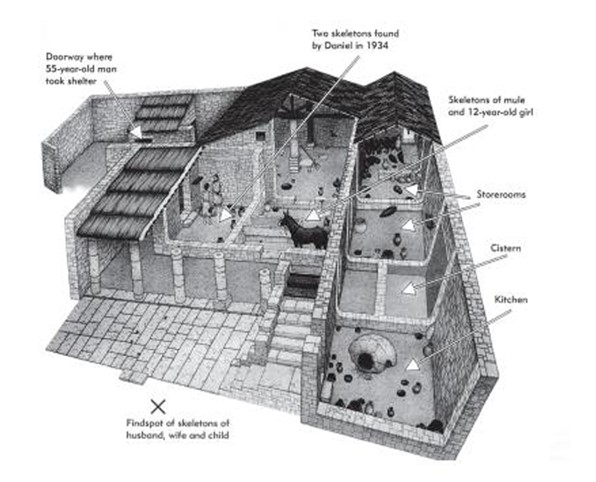
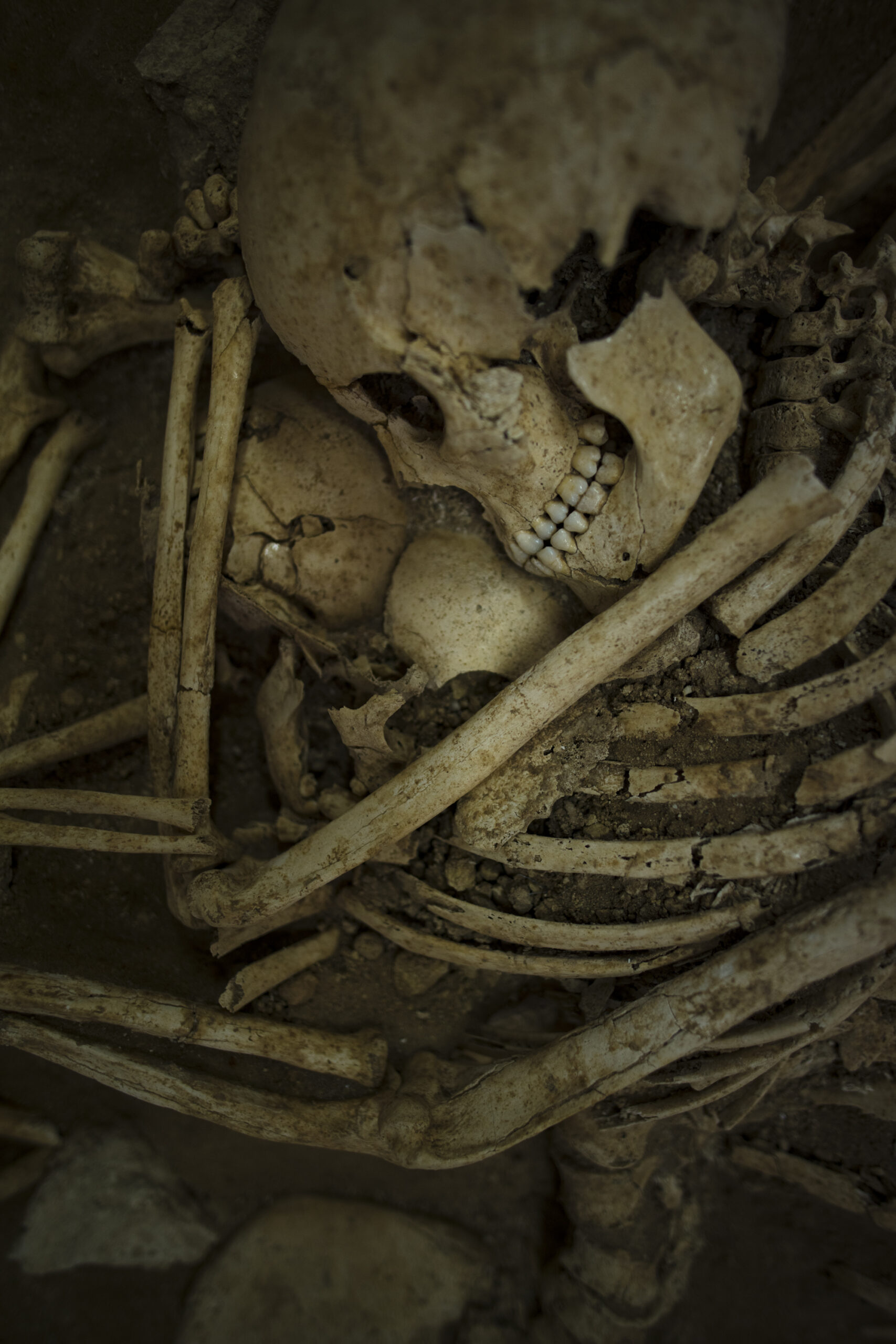
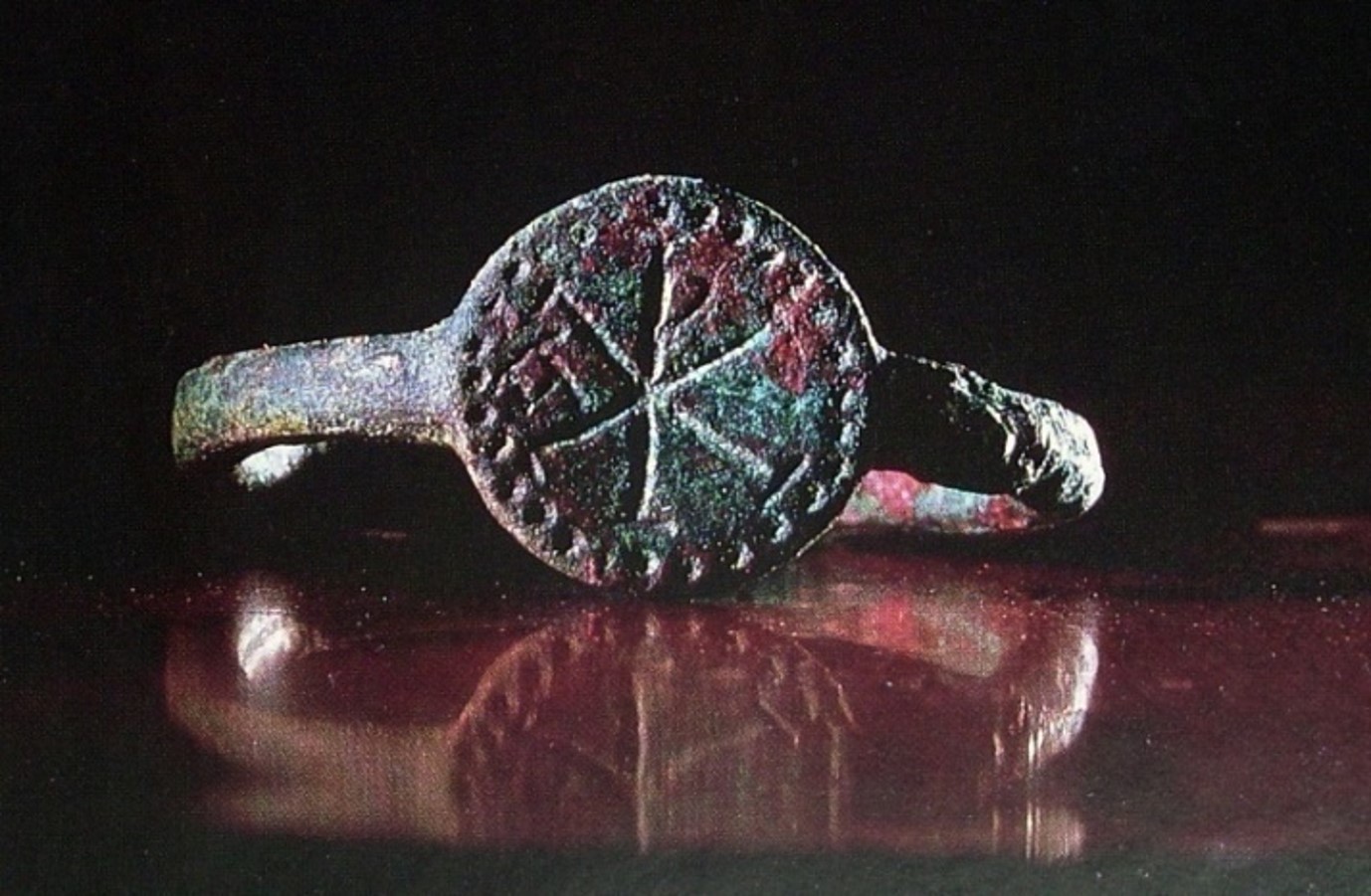
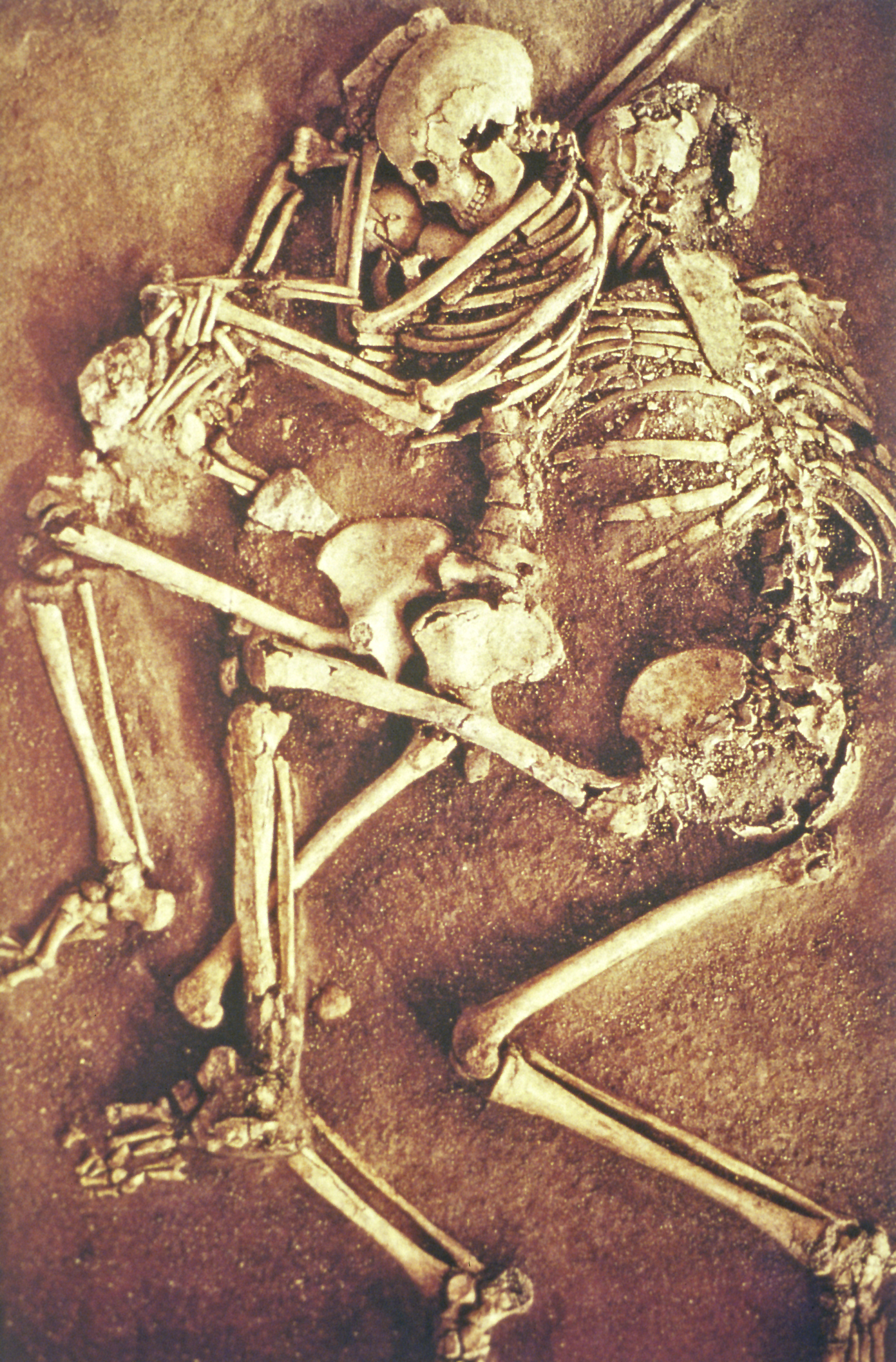
Seven human skeletons were discovered within the house, including a woman holding a 1.5-year-old child in her arms, and a man embracing both. The young woman wore a pin (a type of brooch) in her hair, while the man had a ring with a Christogram, indicating that the family had embraced Christianity. Additionally, in the house's stable, the skeleton of a donkey was found, tied with an iron chain to a stone feeding trough. Next to the donkey, the skeleton of a young girl was discovered. The fact that the victims were found unburied and intact during the excavations suggests they had been trapped under the building’s rubble, thus preserving a snapshot of the life of an ordinary family in 4th-century Kourion.
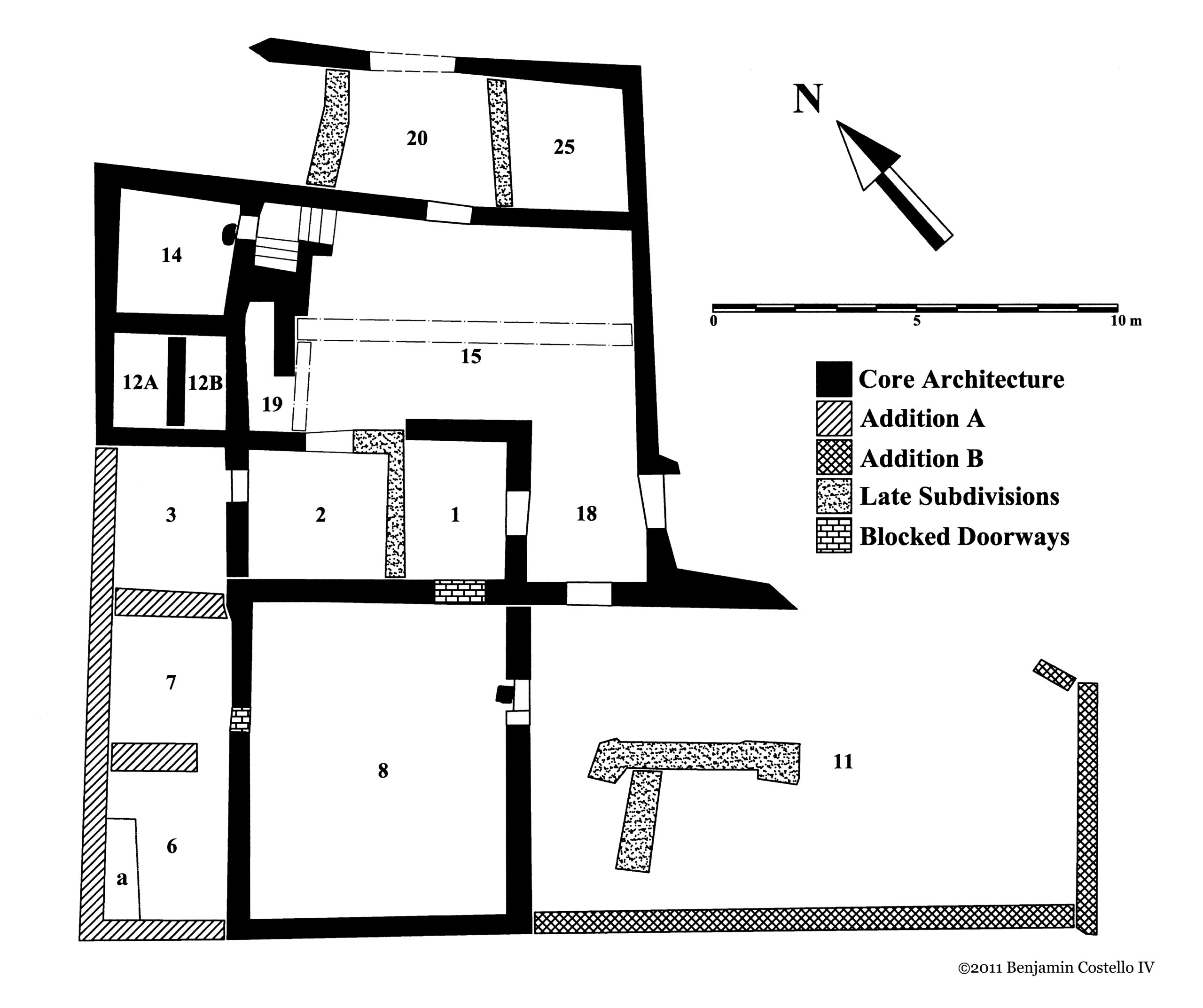
The original entrance to the house was provided by a narrow road to the north, which led to a paved courtyard. Shortly before the earthquake, significant modifications and additions were made to the building.